Heat Pump Running Costs in 2026: What UK Homeowners Actually Pay
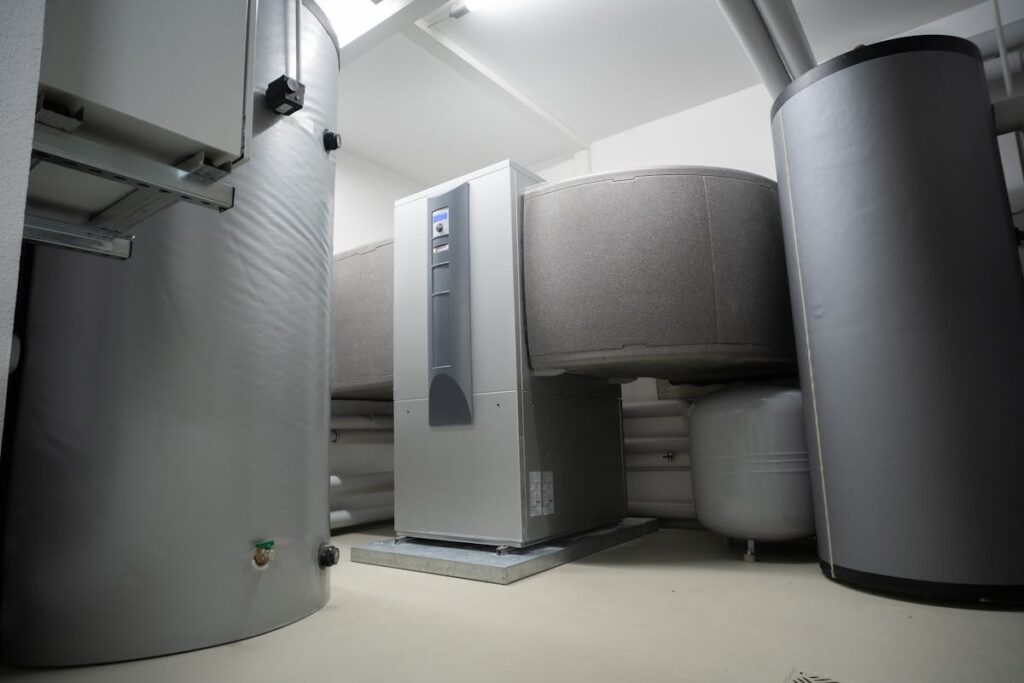
The biggest question homeowners ask about heat pumps is not whether they work but how much they cost to run. Gas boilers are familiar and their running costs are predictable. Heat pumps use electricity, which costs more per unit, and that creates understandable anxiety. Here is what UK homeowners are actually paying to run heat pumps in 2026, based on real-world data rather than manufacturer claims.
How Much Does It Cost to Run a Heat Pump in the UK?
A typical air source heat pump costs £840 to £980 per year to heat a 3-bedroom semi-detached home in 2026, based on a real-world COP of 3.0 to 3.5. This is broadly comparable to the £907 annual gas boiler cost, with the difference typically £50 to £100 per year depending on insulation and system design.
These figures assume 12,000 kWh of annual heat demand and current electricity rates. Homes with poor insulation, undersized radiators or incorrectly configured systems will see higher running costs because the heat pump operates at a lower COP. The most effective way to reduce heat pump running costs is to invest in insulation first, use weather compensation controls and avoid supplementary electric heating.
The Basic Maths: Electricity vs Gas
As of April 2026, the average UK electricity rate under the energy price cap is approximately 24.5p per kWh, while gas sits at around 6.8p per kWh. On paper, electricity costs 3.6 times more than gas per unit. This is where many people stop and conclude heat pumps are more expensive to run than boilers. But that calculation ignores the most important factor: efficiency.
A modern gas boiler converts roughly 90% of the energy in gas into heat, giving you 0.9 kWh of heat for every 1 kWh of gas consumed. A well-installed air source heat pump achieves a Coefficient of Performance (COP) of 2.8 to 3.5 across a full year, meaning it produces 2.8 to 3.5 kWh of heat for every 1 kWh of electricity it consumes. It does this by extracting heat from outdoor air rather than generating it from fuel.
Real Running Costs for a Typical Home
Take a typical three-bedroom semi-detached house that uses 12,000 kWh of heat per year. Here is how the costs compare:
Gas boiler (90% efficiency): 12,000 ÷ 0.9 = 13,333 kWh of gas consumed. At 6.8p per kWh, that is roughly £907 per year for heating.
Heat pump (COP of 3.0): 12,000 ÷ 3.0 = 4,000 kWh of electricity consumed. At 24.5p per kWh, that is roughly £980 per year for heating.
Heat pump (COP of 3.5): 12,000 ÷ 3.5 = 3,429 kWh of electricity consumed. At 24.5p per kWh, that is roughly £840 per year for heating.
At a COP of 3.0, a heat pump costs marginally more than gas. At a COP of 3.5, it costs less. The difference either way is modest — roughly £50 to £100 per year. What tips the balance is how well the system is designed and installed.
What Affects Your COP in Practice
The COP your heat pump achieves depends on several factors that are mostly within your control:
- Flow temperature: This is the single biggest factor. A heat pump running at 35°C flow temperature (suitable for underfloor heating) achieves a much higher COP than one running at 55°C (needed for undersized radiators). If your home has underfloor heating or oversized radiators, expect a seasonal COP of 3.2 to 4.0. If you are running existing standard radiators without upgrading them, expect 2.5 to 3.0.
- Insulation: A well-insulated home needs less heat, which means the heat pump runs less and at lower output. Loft insulation, cavity wall insulation, and draught-proofing all reduce your heating demand and improve overall efficiency.
- System design: A correctly sized heat pump matched to your home’s heat loss runs more efficiently than an oversized unit that cycles on and off. Good installers perform a room-by-room heat loss calculation before recommending a system size.
- Weather compensation: Modern heat pumps adjust their output based on outside temperature. On a mild 10°C day, the system runs at low power with a high COP. On a cold minus 2°C day, it works harder with a lower COP. Over a full year, these balance out to give you the seasonal average.
How to Reduce Heat Pump Running Costs
Homeowners who report the lowest running costs tend to do several things consistently:
- Run the system continuously at a low temperature rather than boosting it on and off like a gas boiler. Heat pumps are most efficient when maintaining a steady temperature.
- Use a time-of-use electricity tariff such as Octopus Go or Intelligent Octopus, which offer off-peak rates of 7p to 10p per kWh overnight. Heating your home and hot water cylinder overnight at these rates dramatically cuts costs.
- Pair the heat pump with solar panels. A 4kW solar system can provide 2,000 to 3,000 kWh of free electricity per year, offsetting a significant portion of the heat pump’s consumption during spring and autumn when both solar generation and heating demand overlap.
- Insulate first. Every pound spent on insulation before installing a heat pump reduces the size (and cost) of heat pump you need and lowers running costs permanently.
The Bottom Line
Heat pump running costs in 2026 are broadly comparable to gas for a well-insulated home with a properly designed system. They are not the dramatic saving that some marketing suggests, but they are not the financial disaster that sceptics claim either. The real savings come from combining a heat pump with insulation improvements, solar panels, and smart tariffs. Homeowners who do all three consistently report total heating costs 30% to 50% lower than their old gas boiler bills.
If you are considering a heat pump, the most important step is getting a proper heat loss survey from a qualified installer. This determines whether your home is ready for a heat pump now or whether some insulation work should come first. Either way, the running costs are no longer a reason to hesitate.
See what these numbers mean for your home
Free instant estimate — costs, savings, payback and grants for your region.

Related Articles
Heat Pump Installation Costs in 2026: The Real Numbers
Heat pumps are now the default replacement for gas boilers in UK government policy, but the question most homeowners ask first is always the same: how much does it actually…
28 May 2026
Infrared Panels vs Heat Pumps: Which Heating System Is Right for Your Home?
Comparing infrared panels vs heat pumps across cost, efficiency, running expenses, and grant eligibility. This guide helps UK homeowners choose the right low-carbon heating system for their property.
8 May 2026
Renewable Heating vs Gas Boiler: An Honest Cost and Comfort Comparison
An honest comparison of heat pumps, biomass and solar thermal against gas boilers on cost, comfort, maintenance, grants and carbon savings for UK homes.
8 May 2026