Council Tax Rebates for Energy-Efficient Homes in Lancashire
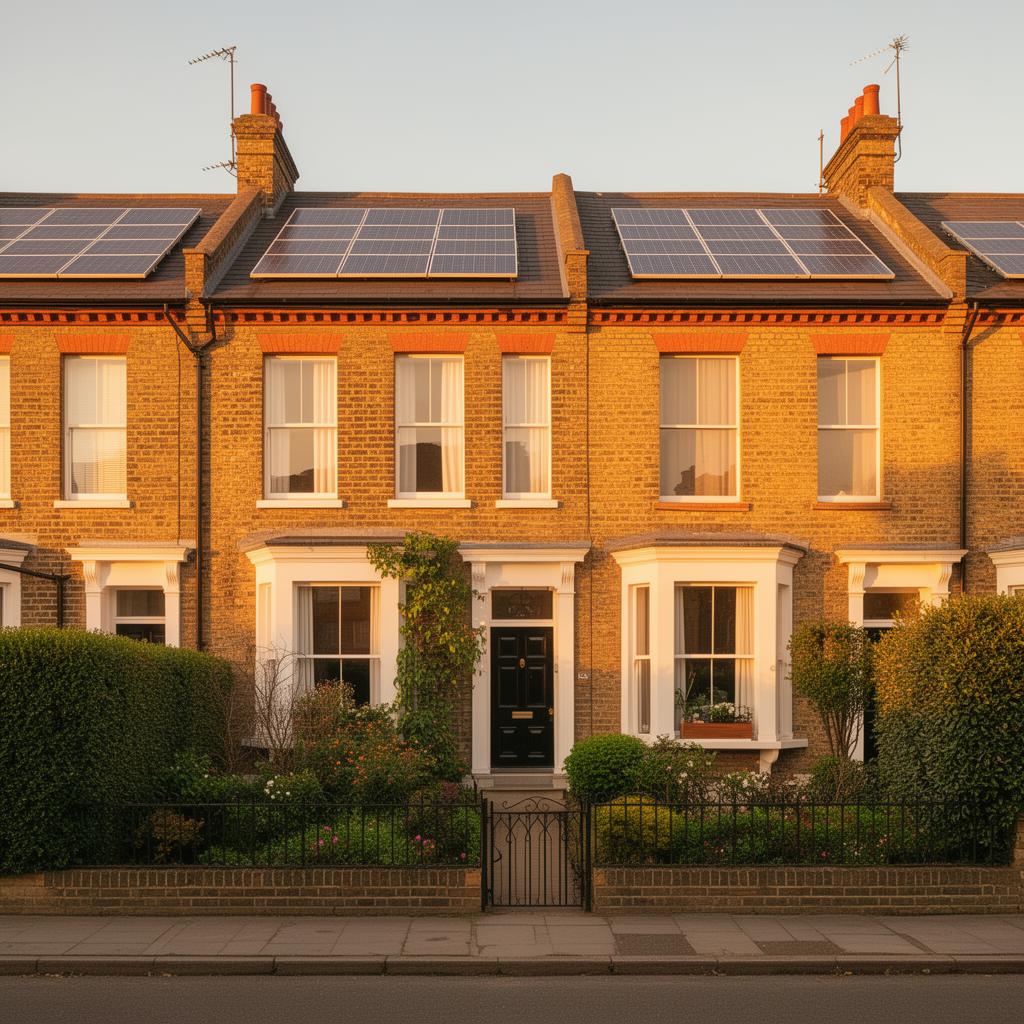
Council Tax reductions linked to energy efficiency are a lesser-known benefit that some Lancashire homeowners may be able to access. While there is no universal council tax rebate for making your home more energy-efficient, several mechanisms exist that can reduce your council tax bill: the disability reduction for homes adapted with specific heating needs, exemptions for empty properties undergoing major renovation, and the potential for council tax band reductions if improvements have been made that technically reduce the property’s banding when reassessed. Understanding these mechanisms can save eligible Lancashire households £200-£500 per year.
Can You Get a Council Tax Rebate for an Energy-Efficient Home?
There is currently no automatic council tax rebate for energy-efficient homes in England, but several related schemes can reduce your bill. Homeowners who install renewable energy systems may be eligible for a council tax band reduction if the improvements were made after the property was last valued and you can demonstrate that the energy measures should lower the property’s valuation band. Additionally, some Lancashire councils offer one-off energy rebate payments of £100 to £200 through local hardship funds.
The Valuation Office Agency (VOA) considers energy improvements when reviewing council tax banding appeals, though bands are only formally reassessed upon sale or significant alteration. In Wales, a separate scheme already offers council tax exemptions for properties in the lowest EPC bands undergoing improvements. Campaigners are calling for similar incentives in England, but as of 2026, the most reliable financial benefits of energy efficiency remain lower energy bills and increased property values rather than direct council tax reductions.
The relationship between council tax and energy efficiency is not straightforward, and the rules are scattered across different pieces of legislation. This guide pulls together the relevant information for Lancashire homeowners who have made or are planning energy improvements to their homes.
Council Tax Bands and Property Improvements
Council Tax bands in England are based on property valuations as of 1 April 1991. When you make improvements to your home, the band does not automatically change. A reassessment only happens when the property is sold, or when you request one, or when the Valuation Office Agency (VOA) initiates one.
Here is the key point for energy improvements: adding insulation, solar panels, a heat pump or double glazing does not typically increase your council tax band. The VOA has confirmed that energy efficiency improvements are considered maintenance and repair rather than enhancements that increase value, and they are specifically excluded from triggering a band increase under most circumstances.
This means you can invest in making your Lancashire home more energy-efficient without worrying that it will push you into a higher council tax band. However, if you combine energy improvements with a significant extension or structural alteration, the overall project might trigger a reassessment.
The Energy Efficiency Band Reduction
There is a little-known provision in council tax legislation that allows a reduction of one band for properties that have undergone specific energy efficiency improvements. This was introduced by the Council Tax (Prescribed Classes of Dwellings) (England) Regulations, though its implementation has been limited and varies by local authority.
The conditions are narrow: the property must have had specific qualifying energy improvements installed, and the improvement must have been made after a certain date. In practice, very few Lancashire households have benefited from this provision because awareness is low and the qualifying criteria are restrictive. However, it is worth investigating if you have made substantial energy improvements.
Contact the Valuation Office Agency (VOA) to discuss whether your property’s improvements qualify for a band review. The VOA can reassess your property and, if appropriate, reduce the band. Be aware that a VOA reassessment looks at the entire property, so it could theoretically result in a band increase if your property has been significantly improved in other ways since the last assessment.
Disability Reduction Scheme
If a member of your household is disabled and your home has been adapted to meet their needs (including adaptations related to heating), you may qualify for a council tax disability reduction. This reduces your bill to the band below your actual band (or provides a percentage discount if you are already in band A).
Qualifying adaptations include an additional room used predominantly by the disabled person (which could include a specially heated room), extra space within the property needed for the disabled person, or a second bathroom or kitchen required by the disabled person’s condition.
While this is not directly linked to energy efficiency, disabled residents who need higher temperatures or specialist heating arrangements (and whose home has been adapted accordingly) may qualify. Contact your local Lancashire district council’s council tax team to check eligibility.
Empty Property Exemptions During Renovation
If your Lancashire property is empty and undergoing major renovation or structural alteration, it may qualify for a council tax exemption (Class D exemption). This applies to properties that are empty because they require or are undergoing major repair work to render them habitable.
A comprehensive energy retrofit that involves significant internal work (e.g., solid wall insulation combined with rewiring, replumbing and heating system replacement) could potentially qualify if the property is uninhabitable during the work. The exemption typically lasts for up to 12 months.
This is most relevant for Lancashire homeowners who have purchased a derelict or very run-down property and are undertaking a major renovation including energy efficiency upgrades. Contact your local council tax office to discuss whether your specific project qualifies.
Council Tax Reduction Schemes (Low Income)
Each Lancashire district council operates a Council Tax Reduction (CTR) scheme for low-income residents. While not directly related to energy efficiency, many households who qualify for energy grants (government energy efficiency schemes, for example) will also qualify for council tax reduction due to their income level.
CTR can reduce your council tax by up to 100% depending on your income, savings and circumstances. If you are on a low income and receiving benefits, check with your local council whether you qualify. Many Lancashire residents who are eligible for CTR do not claim it.
The combination of council tax reduction, the winter energy discount scheme, government energy efficiency schemes funded insulation and other energy support can make a significant difference to the overall cost of living for low-income households in Lancashire. Our guide to the winter energy discount scheme vs winter fuel support payment covers other financial support available.
Future Policy Changes
There is ongoing policy discussion about linking council tax more directly to energy efficiency. Some proposals include:
- Council tax discounts for homes that achieve a minimum EPC rating
- Council tax surcharges for the least efficient properties (to incentivise improvements)
- Linking council tax banding to energy performance as well as property value
None of these proposals has been implemented, but they indicate the direction of policy thinking. Investing in your home’s energy efficiency now positions you well regardless of how future policy develops.
Will solar panels increase my council tax band?
No. The Valuation Office Agency has confirmed that solar panels are treated as a maintenance and improvement measure, not a structural alteration that would trigger a band increase. You can install solar panels on your Lancashire home without any council tax implications.
Can I challenge my council tax band?
Yes. You can challenge your band with the VOA at any time if you believe it is incorrect. Common grounds for challenge include: similar properties in your street are in a lower band, your property has been significantly altered since the original banding, or new information about the 1991 valuation suggests an error. Challenging is free but carries the risk that the band could be confirmed or even increased if the VOA finds the property was under-banded.
Is there a council tax discount for having an EPC of A or B?
Not currently. No UK local authority currently offers a council tax discount based on EPC rating alone. This has been proposed by various organisations but has not been implemented. However, achieving a high EPC rating through energy improvements does increase your property’s value and attractiveness to buyers, which has financial benefits beyond any potential council tax saving.
See what these numbers mean for your home
Free instant estimate — costs, savings, payback and grants for your region.

Related Articles
Heat Pump Grant Rises to £9,000 for Oil and LPG Homes From 21 July 2026
The standard Boiler Upgrade Scheme grant stays at £7,500. From 21 July 2026 to 31 March 2027, homes currently heated by oil or LPG get an increased £9,000 grant. Corrected…
10 June 2026
The Warm Homes Plan 2026: What Every UK Homeowner Needs to Know
The UK government’s Warm Homes Plan is the biggest energy efficiency programme in British history. Launched in January 2026 with up to £15 billion in funding, it aims to upgrade…
5 June 2026
ECO4 Scheme 2026: Who Qualifies, What’s Covered and How to Apply
The ECO4 scheme runs until December 2026, offering fully funded insulation and heating upgrades for eligible UK households. Find out if you qualify through benefits or the ECO4 Flex route,…
11 May 2026