Best Time of Year to Install Solar Panels in the North West
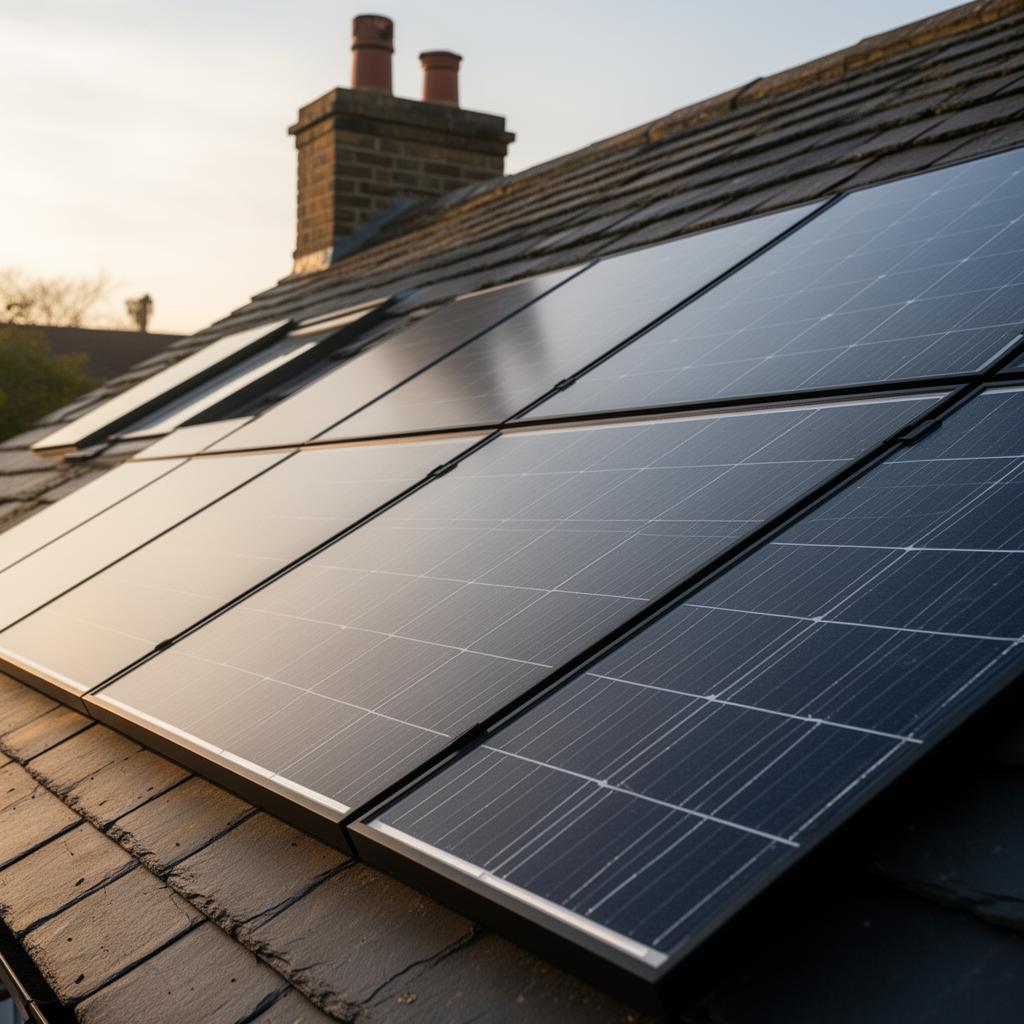
The best time to install solar panels in the North West is between March and May or September and October, when installer availability is good, weather conditions are reasonable for roof work, and you start generating electricity before the peak summer months or in time for winter savings. Summer (June-August) is the busiest period for installers and wait times can stretch to 8-12 weeks, while winter installations are possible but more likely to be delayed by weather. From a purely financial perspective, the sooner you install, the sooner you start saving – waiting for the “perfect” month costs you more in missed generation than any seasonal timing advantage.
When Is the Best Time to Install Solar Panels in the North West?
The best time to install solar panels in the North West is between January and March. Installer availability is highest during winter months, meaning shorter lead times and often more competitive pricing. You also benefit from having the system fully operational before the peak solar generation months of April to September, maximising your first-year savings.
Many homeowners assume summer is best, but waiting until spring means joining longer queues and potentially missing the most productive generation period. Solar panels can be safely installed year-round in the North West — rain and cold do not affect the installation process. A 4kW system installed by March in Manchester or Lancashire will typically generate 3,200 to 3,600 kWh over its first 12 months, saving £700 to £900 on electricity bills.
Many Lancashire homeowners agonise over timing, worrying about installing in winter when days are short or summer when installers are booked solid. In reality, solar panels can be installed in any season, and the date on the calendar matters less than getting the process started. Here is a month-by-month guide to help you plan.
Month-by-Month Guide for North West Installations
January-February: The quietest period for installers. You can often get quotes quickly and book installation within 2-4 weeks. Days are short and weather can be poor (frost, ice, snow on roofs delay work), but experienced installers work through winter regularly. Panels installed in January or February are ready for the spring and summer generation peak. This is a smart time to start the quote process even if installation slips to March.
March-May: The sweet spot. Daylight hours increase rapidly, weather improves (though Lancashire rain is ever-present), and installers are busy but not overwhelmed. Panels installed in March start generating meaningfully immediately and catch the entire summer peak. Book by February to secure a March-May slot.
June-August: Peak demand for installers. Wait times of 6-12 weeks are common as everyone wants panels before summer. Ironically, by the time many summer bookings are installed in July or August, the longest days have already passed. Weather is generally good for roof work but hot days can actually make installation uncomfortable (working on a sun-baked roof in 30-degree heat is no fun). Book in spring for a summer installation.
September-October: An excellent time for installation. Installer demand drops from the summer peak, shorter wait times return, and there are still several months of decent generation before winter. Panels installed in September catch the autumn sun and start building savings immediately. The weather is generally dry enough for roof work.
November-December: Quieter for installers with shorter wait times, but shorter days mean limited generation until spring. Weather can delay installations (high winds are a particular problem for roof work). However, prices are sometimes slightly lower as installers have capacity to fill. If you are planning ahead, getting quotes in November for a January or February installation is efficient.
How Seasonal Generation Varies in the North West
Understanding the seasonal generation pattern helps explain why timing matters less than you think:
- December-January: Lowest generation. A 4kW system produces roughly 80-120kWh per month. Short days and low sun angle limit output to 2-4kWh on good days.
- February-March: Generation doubles as days lengthen rapidly. 150-250kWh per month. Spring equinox in March marks a turning point.
- April-May: Strong generation. 300-400kWh per month. Days are long and the sun is increasingly high. April can be surprisingly productive – long days combined with cooler temperatures that boost panel efficiency.
- June-July: Peak generation. 380-450kWh per month. The longest days (16+ hours of daylight around the summer solstice) maximise output. June typically outperforms July because it has longer days.
- August-September: Strong but declining. 280-370kWh per month. Still excellent generation but days are shortening.
- October-November: Declining towards winter. 120-200kWh per month. Useful generation but a fraction of summer output.
Over a full year, roughly 75% of generation occurs between March and September. Installing in March captures virtually the same annual generation as installing in January, despite being two months later. The financial difference between installing in any given month and the next is typically £30-£60 in missed generation – far less than most people imagine.
Weather Considerations for Installation
Lancashire’s weather creates specific considerations for installation timing:
Rain: Light rain does not stop installation. Experienced installers work in light rain routinely – the roof is already designed to be wet. Heavy persistent rain may delay work by a day. Lancashire’s frequent showers are manageable; prolonged downpours less so.
Wind: High winds are the most common weather-related delay. Solar panels are large, flat surfaces that catch the wind, making them dangerous to handle on a roof in strong gusts. Installers will not work on a roof when sustained wind exceeds about 25-30mph. The Pennine edge and Lancashire coast are more affected by wind than sheltered inland areas.
Frost and ice: A frosty roof is slippery and dangerous. If the roof has ice on it first thing in the morning, installation may be delayed until it melts. In most of Lancashire, this only causes delays on a handful of winter days.
Snow: Snow on the roof prevents work entirely until it clears. Lancashire gets relatively little snow at lower elevations, but installations in the Pennine fringes (Rossendale, Burnley, Pendle) are more susceptible to winter snow delays.
Getting Quotes: Start Early
The biggest timing factor is not the season but the queue. qualified installers in Lancashire typically have a 4-10 week backlog, extending to 12+ weeks in peak summer. Starting the quote process well ahead of your desired installation date is the most effective timing strategy.
- Want a spring installation? Start getting quotes in January-February
- Want a summer installation? Start getting quotes in March-April
- Want an autumn installation? Start getting quotes in July-August
Get at least three quotes from different installers. Compare not just the price but the proposed system design, panel brands, inverter type, warranty terms and projected generation figures. Our guide to how many solar panels you need for a 3-bed semi in Manchester covers what to look for in a quote.
Price Variations Through the Year
Solar panel prices in the UK do not vary significantly by season. Unlike some consumer products, there is no “sale season” for solar. Component costs are driven by global supply and demand rather than local seasonal patterns. Occasionally, installers may offer modest discounts during their quieter winter months to fill their schedule, but savings are typically only 3-5% and are not guaranteed.
What can affect pricing is the broader market trend. Panel and inverter prices have generally trended downward over the past decade, so waiting a year might save you a small amount on equipment. However, the electricity you miss out on by waiting typically outweighs any equipment savings. The 0% VAT runs until March 2027, and there is no guarantee it will be extended beyond that date.
Should I wait until panel technology improves?
Solar panel technology improves incrementally each year, but the gains are modest (1-2% more efficiency per generation). Waiting for the “next best panel” is a common trap. A system installed today generates electricity and saves money immediately. A system you install in 2026 will be marginally more efficient but has missed two years of savings. The financial analysis consistently favours installing sooner rather than waiting.
Can scaffolding be left up between the survey and installation?
Most installers put scaffolding up on the morning of installation and take it down the same day or the next. Scaffolding is rarely left up for extended periods. If your installation is delayed by weather after scaffolding is erected, the installer will typically leave it in place for a day or two rather than removing and re-erecting it. Scaffolding costs are included in your quote and are the same regardless of season.
Do solar panels work in winter in Lancashire?
Yes, but output is significantly lower – roughly 20-25% of summer production. A 4kW system generates about 3-4kWh per day in December compared to 15-18kWh in June. Winter generation still offsets some electricity usage, particularly during daylight hours. And the panels do not stop working on cloudy days – they generate from diffuse light, just at reduced output. The financial case for solar in Lancashire is built on the full annual output, not just summer performance.
See what these numbers mean for your home
Free instant estimate — costs, savings, payback and grants for your region.

Related Articles
Is Solar Battery Storage Worth It in 2026?
Solar panels are now a common sight on UK rooftops, but the real game-changer in 2026 is battery storage. A home battery lets you store the electricity your panels generate…
2 June 2026
Why Spring Is the Perfect Time to Install Solar Panels
If you have been thinking about solar panels for a while but never quite pulled the trigger, spring is the moment to act. The combination of lengthening days, mild installation…
23 April 2026
How the Energy Price Cap Affects Heat Pump and Solar Panel Payback
See how the energy price cap affects heat pump and solar panel payback periods. Real calculations using current UK unit rates show why investing now locks in stronger returns.
15 April 2026