Heating Your Home Efficiently: The Room-by-Room Guide
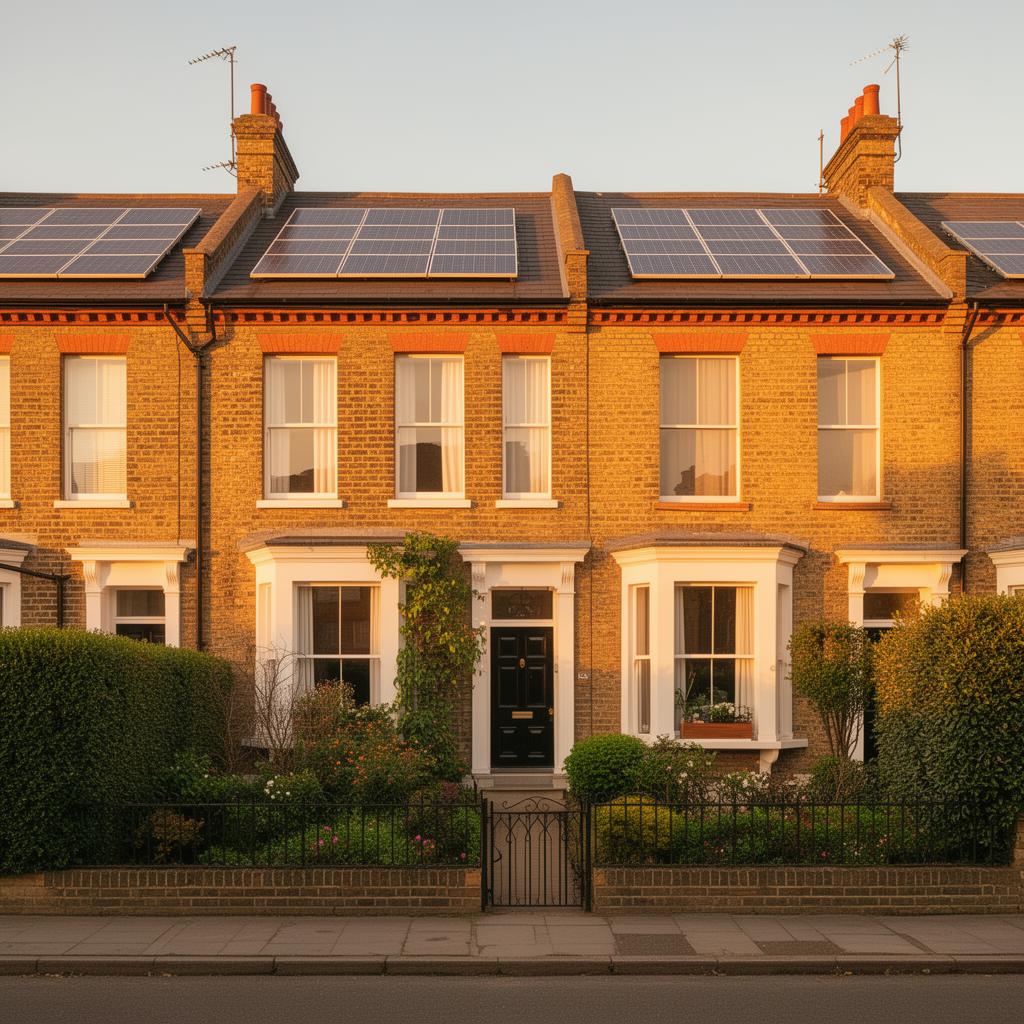
Most Lancashire homes waste 20-30% of their heating energy by maintaining the same temperature in every room, regardless of whether anyone is using it. By adjusting temperatures room by room using thermostatic radiator valves (TRVs), closing doors and thinking about how each space is actually used, you can cut £150-£300 off your annual heating bill without any insulation work, equipment upgrades or changes to your lifestyle. This guide walks through every common room in a Lancashire home and gives you the ideal temperature, practical tips and easy adjustments to make.
How to Heat Your Home Efficiently Room by Room
- Living room (20 to 21°C) — use a programmable thermostat and TRVs to maintain steady warmth during occupied hours only
- Kitchen (18°C) — reduce the radiator setting as cooking appliances generate significant background heat
- Bedrooms (16 to 18°C) — set TRVs lower and use a timer to warm the room 30 minutes before bedtime only
- Bathroom (22°C) — heat briefly before morning and evening use; a heated towel rail can supplement the radiator
- Hallway and landing (15 to 16°C) — keep these transitional spaces cooler to reduce overall consumption
- Home office (19 to 20°C) — zone separately if working from home to avoid heating the whole house during the day
Reducing the temperature by just one degree across your whole home saves roughly £80 to £100 per year. Thermostatic radiator valves (TRVs) let you set individual room temperatures so you only heat the spaces you actually use. Combined with a smart thermostat, room-by-room zoning can cut annual heating bills by 15 to 25 percent without sacrificing comfort in the rooms that matter most.
The principle is simple: heat the rooms you are using to a comfortable temperature, and let the rooms you are not using drop to a lower level. A spare bedroom does not need to be 21 degrees all day. A hallway does not need the same temperature as your living room. Getting this right is one of the easiest and most effective energy-saving strategies, and it costs nothing if you already have TRVs on your radiators.
Living Room: 19-21 Degrees
The living room is where most Lancashire families spend their evenings, so it should be your warmest room. The recommended temperature is 19-21 degrees Celsius. Most people find 20 degrees comfortable when wearing normal indoor clothing.
- Set the TRV to 3-4 (on a standard 1-5 scale, 3 typically represents 18-20 degrees)
- If you have a thermostat in the living room, set it to 20 degrees as your reference
- Close the door to keep warm air in and prevent it from heating the hallway
- Pull curtains at dusk to reduce heat loss through windows by 15-20%
- Use a draught excluder at the base of the door if there is a gap
- If you have a fireplace with a chimney that is not in use, fit a chimney balloon
In older Lancashire terraces where the living room has a large window and an external wall, heat can be lost quickly. Reflective radiator panels behind radiators on external walls (£5-£10 each) bounce heat back into the room instead of into the wall.
Kitchen: 16-18 Degrees
Kitchens generate significant heat from cooking, boiling the kettle, the fridge motor and the dishwasher. You can set the radiator lower (TRV at 2-3) and let the appliances top up the temperature. In many Lancashire homes, especially those with a smaller kitchen, cooking alone raises the room temperature by 2-3 degrees.
- Turn the radiator down when cooking or baking (the oven puts out significant heat)
- Use extractor fans sparingly – they remove warm air. Use them to clear steam, then switch off
- If the kitchen leads directly to a back door (common in Lancashire terraces), fit a curtain or draught excluder to reduce cold air infiltration
- An open-plan kitchen-diner needs to be treated as one space – balance the temperature between the dining and cooking areas
Bedrooms: 16-18 Degrees
Most people sleep better in a cooler room. The NHS recommends a bedroom temperature of 16-18 degrees for adults. Overheating bedrooms is one of the most common forms of energy waste, especially in homes where the thermostat is set to the living room temperature and all radiators are on the same setting.
- Set bedroom TRVs to 2-3 (roughly 16-18 degrees)
- If bedrooms are above the living room (as in most Lancashire terraces and semis), heat rises and naturally warms them. You may need less radiator output than you think
- Use a higher tog duvet in winter rather than cranking up the heating overnight
- Close bedroom doors to keep each room at its own temperature
- If a bedroom faces north or is particularly draughty, prioritise draught-proofing the windows and door to reduce cold air, rather than turning up the heating
Children’s rooms and nurseries: The NHS recommends 16-20 degrees for babies and young children. Err on the lower end with appropriate bedding rather than heating the room above 20 degrees. Overheating is a risk factor for SIDS in infants.
Bathroom: 20-22 Degrees (When in Use)
Bathrooms need to be warm when you are using them, but they do not need to be heated all day. Many Lancashire homes heat the bathroom 24 hours a day even though it is used for perhaps 1-2 hours total.
- If you have a TRV on the bathroom radiator, set it to 3-4 and let it warm up before your shower or bath
- A heated towel rail provides background warmth and dries towels. If you have one in addition to a radiator, you may not need the radiator at all
- Run the extractor fan just long enough to clear steam, then stop it drawing warm air out of the room
- After bathing, leave the bathroom door open to let warm moist air disperse through the house rather than condensing on cold bathroom surfaces
Hallway and Landing: 15-17 Degrees
Hallways and landings are transition spaces that nobody sits in for extended periods. They can be cooler than living rooms without any loss of comfort. In many Lancashire terraces, the hallway radiator is working hard to heat a space that people walk through in seconds.
- Set the hallway TRV to 1-2
- Fit a heavy curtain over the front door if it is draughty (very common in Lancashire terraces where the front door opens directly into the hallway)
- Close all room doors off the hallway to prevent warm air from living areas escaping into the cooler hall
- If your thermostat is in the hallway (common in many homes), be aware that it measures the hall temperature, not the room temperature. You may need to set it slightly higher than your desired living room temperature to compensate
Spare Bedroom: 12-15 Degrees
If you have a room that is rarely used – a spare bedroom, home office used occasionally, or a dining room that only sees action at Christmas – keep it at a minimum temperature rather than matching the rest of the house.
- Set the TRV to 1 or the frost protection setting (the snowflake symbol). This maintains about 7-12 degrees – enough to prevent pipes from freezing and stop mould growth on cold walls
- Keep the door closed to prevent heat from the rest of the house flowing in
- When guests visit, turn the TRV up to 3-4 a few hours before bedtime so the room is comfortable
- If the room has condensation issues, set the TRV slightly higher (2) to keep the wall surfaces above dew point
Using TRVs Properly
Thermostatic radiator valves (TRVs) are the key to room-by-room heating control, but many people use them incorrectly. Common mistakes include:
- Setting all TRVs to maximum: This heats every room to the highest temperature and removes any zoning benefit. Set each room according to its use.
- Turning TRVs off instead of down: Turning a TRV fully off (position 0) in a room risks frost damage and cold wall condensation. Use position 1 or the frost symbol instead.
- Covering TRVs with curtains or furniture: The TRV senses the air temperature around it. If it is hidden behind a curtain or covered by a sofa, it reads a falsely warm temperature and turns the radiator off too early. Keep the TRV exposed to the room air.
If your radiators do not have TRVs (common in older Lancashire homes that have never had them fitted), adding them costs £15-£30 per radiator plus fitting. It is one of the best-value heating upgrades you can make. Our guide to smart thermostats in older homes covers the upgrade to intelligent zone control.
The One-Degree Rule
Reducing your thermostat by just 1 degree saves approximately 10% on your heating bill. For a Lancashire home spending £1,000 per year on gas, dropping from 21 to 20 degrees saves about £100 per year. Dropping to 19 degrees may save an estimated £200. Most people adjust to a 1-degree reduction within a few days without noticing any loss of comfort.
What temperature should I never go below?
health authorities recommends a minimum temperature of 18 degrees in rooms occupied by the elderly, very young or those with health conditions. For healthy adults, 16 degrees is acceptable in bedrooms. No occupied room should be below 12 degrees for extended periods. Rooms below 16 degrees for vulnerable people increase the risk of respiratory and cardiovascular problems.
Should I turn the heating off when I go out?
For absences of a few hours (e.g., going to work), turning the thermostat down rather than off is more efficient. Reheating a fully cold house from scratch uses more energy than maintaining a reduced temperature. Set the thermostat to 15-16 degrees while out and programme it to warm up 30-60 minutes before you return. For longer absences (holidays), set the heating to 10-12 degrees or frost protection to prevent pipe damage.
Is it cheaper to heat one room than the whole house?
Yes, significantly. If you spend most of your time in one or two rooms, heating just those rooms to full temperature and keeping the rest cool can save 25-40% on heating costs. Close the doors, turn down TRVs in unused rooms, and concentrate your heat where you spend your time. This is particularly effective in larger Lancashire properties where heating every room is expensive.
See what these numbers mean for your home
Free instant estimate — costs, savings, payback and grants for your region.

Related Articles
7 Quick Wins to Cut Your Energy Bills This Summer
Summer might seem like the wrong time to think about energy bills, but it is actually when the smartest homeowners make changes. Lower heating demand means more of your spending…
22 May 2026
The Best Time of Year to Replace Your Boiler (and How to Get the Best Price)
Find out why summer is the best time to replace your boiler in the UK, how to negotiate better prices and what to check before committing to an installation.
9 May 2026
Electric Heating Options Explained: Panel Heaters, Storage Heaters and Infrared
Compare electric heating options for UK homes including modern storage heaters, ceramic panel heaters and infrared panels with running cost breakdowns.
7 May 2026