New Building Regulations 2024: How They Affect Lancashire Homeowners
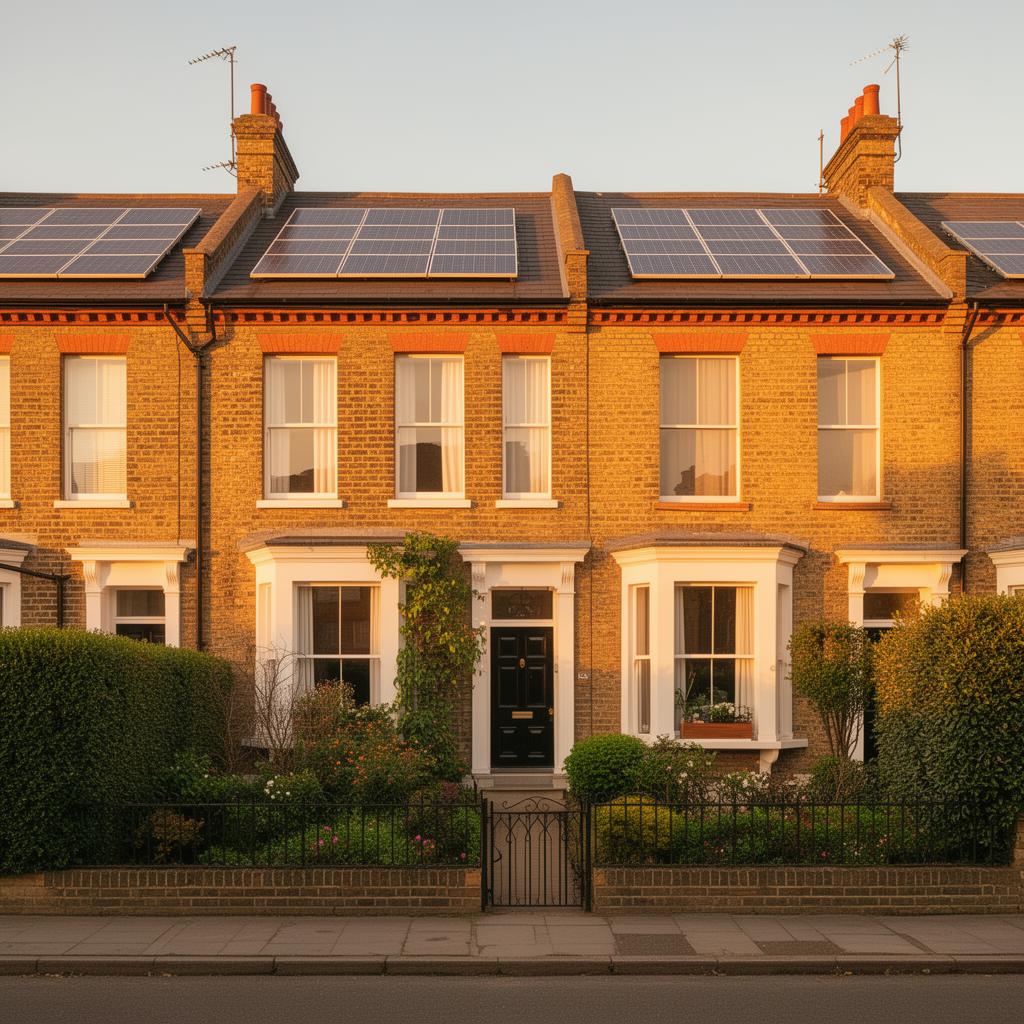
Updated building regulations that came into force in June 2023 (with further updates expected through 2024-25) set significantly higher energy efficiency standards for new homes, extensions, conversions and renovations across England, including Lancashire. If you are planning a home extension, loft conversion, new build or major renovation, these changes directly affect the specification and cost of your project. The new standards require better insulation, lower carbon heating and improved air-tightness – all of which increase upfront costs by 5-15% but reduce long-term energy bills substantially.
How Do the New Building Regulations Affect Homeowners?
The updated building regulations (Part L 2021, commonly referred to as the 2024 standards) require all new extensions, conversions and renovations in England to meet higher energy efficiency standards. For Lancashire homeowners, this means any building work requiring building control approval — including loft conversions, extensions and boiler replacements — must now incorporate improved insulation, low-carbon heating considerations and enhanced ventilation.
- Extensions must meet minimum U-values of 0.18 W/m²K for walls and 0.13 W/m²K for roofs
- Replacement boilers require a smart thermostat or room thermostat to be fitted at the same time
- Replacement windows must achieve a minimum U-value of 1.4 W/m²K or a Window Energy Rating of band B
- Loft conversions now require higher levels of roof and wall insulation than previous regulations
- Ventilation upgrades are required alongside insulation work to prevent condensation and maintain air quality
These regulations do not require you to upgrade your existing home unprompted. They only apply when you carry out work that triggers building control involvement. However, the higher standards mean that any renovation you do will leave your home more energy efficient than under previous rules, potentially improving your EPC rating in the process.
These changes are part of the government’s pathway towards the proposed building standards (expected in 2025), which will eventually require all new homes to be “zero carbon ready.” For Lancashire homeowners planning building work, understanding the new requirements now avoids costly surprises during the planning and building process.
What Changed in Part L (Conservation of Fuel and Power)
Part L of the Building Regulations sets the energy performance standards for buildings. The 2023 update (often called the “Part L 2021 uplift” due to its development timeline) raised standards significantly:
For new homes: CO2 emissions must be 31% lower than the previous standard. This is achieved through a combination of better insulation, more efficient heating systems and improved air-tightness. In practice, this means most new homes now need either a heat pump or a very efficient gas boiler with solar panels to comply.
For extensions and conversions: New extensions must meet higher insulation standards than before. Walls must achieve a U-value of 0.18 W/m2K or better (previously 0.28), roofs must achieve 0.15 (previously 0.16), and floors 0.18 (previously 0.22). Windows must achieve 1.2 or better (previously 1.4). These are significant improvements that require thicker insulation and better-performing windows.
For replacement elements: If you are replacing a roof, windows or a boiler, the replacement must meet minimum standards. Replacement windows must achieve a U-value of 1.4 or better, replacement roofs must be insulated to current standards, and replacement boilers must be condensing type with a minimum 92% efficiency.
Impact on Home Extensions in Lancashire
If you are planning a kitchen extension, rear extension or side extension in Lancashire, the new rules affect your project in several practical ways:
Thicker walls: To achieve the new U-value of 0.18, a masonry cavity wall extension typically needs 100-120mm of insulation in the cavity (up from 75-100mm previously). Alternatively, the builder may use a different wall construction such as structural insulated panels (SIPs) or timber frame, which achieve high insulation levels in a thinner wall.
Better windows: Extension windows and doors need to achieve a U-value of 1.2 or better. This means double glazing with a Low-E coating and argon gas fill as a minimum, with triple glazing becoming more common. Budget an extra £100-£200 per window compared to basic double glazing.
Improved floor insulation: The new floor U-value of 0.18 requires around 100mm of rigid insulation under the floor slab (up from 75mm previously). This adds modest cost but ensures the extension floor is warm and energy-efficient.
Ventilation: Part F (ventilation) has been updated alongside Part L. Your extension needs adequate ventilation, typically provided by trickle vents in windows and, for larger extensions, mechanical extraction in kitchens and bathrooms. As extensions become more airtight, controlled ventilation becomes more important to prevent condensation and maintain air quality.
Impact on Loft Conversions
Loft conversions are one of the most popular home improvements across Lancashire, and the new regulations affect the insulation and ventilation requirements:
The roof structure in a loft conversion must achieve a U-value of 0.15, which typically requires 120-150mm of rigid insulation between and below the rafters, or a combination of rigid and mineral wool insulation. This is thicker than the previous standard and may reduce the usable headroom slightly in the conversion.
Dormer walls need to achieve the same U-value as external walls (0.18), which means adequate insulation within the dormer structure. Dormer windows follow the same 1.2 U-value requirement as other new windows.
For Lancashire terraces where loft conversions are popular (particularly in Manchester’s suburbs and across East Lancashire), the reduced headroom from thicker insulation is worth considering at the design stage. Our guide to room-in-roof insulation covers the technical details.
Impact on New Builds in Lancashire
If you are building a new home in Lancashire, the 31% CO2 reduction target effectively means:
- A fabric-first approach with high insulation levels throughout
- Air-tightness testing to demonstrate low air leakage
- Either a heat pump as the primary heating system, or a gas boiler combined with solar panels
- An EV charger-ready circuit (if the property has a car parking space, it must have a charger installed)
- Wastewater heat recovery systems in many cases
The additional cost for a new build to meet the 2023 standards compared to the previous 2013 standards is estimated at 4-8% of the construction cost. For a typical Lancashire new build costing £200,000-£300,000 to construct, that is an extra £8,000-£24,000. However, the resulting home will have much lower energy bills – potentially £300-£600 per year less than a home built to the old standards.
The proposed building standards (2025)
The current regulations are an interim step towards the proposed building standards, expected to come into force in 2025. Under FHS:
- New homes will need to produce 75-80% less CO2 than the 2013 standard
- Gas boilers will not be installed in new homes (heat pumps or other low-carbon heating only)
- Insulation and air-tightness standards will be further tightened
- All new homes will be “zero carbon ready” from day one
For anyone buying or building a new home in Lancashire in the next few years, homes built to FHS standards will be significantly cheaper to heat and cool than the existing housing stock. They will also hold their value better as energy efficiency becomes an increasingly important factor in property valuations.
What Existing Homeowners Should Know
If you are not planning any building work, the new regulations do not force you to do anything to your existing home. There is no requirement to retrofit existing properties to new standards (though grants are available to help you do so voluntarily).
However, the direction of travel is clear: energy efficiency standards will continue to tighten, and homes that perform well will be worth more and cost less to run. Investing in insulation, efficient heating and renewable energy now puts your Lancashire home ahead of the curve. Our guides to solar panels, heat pumps and insulation options cover the practical improvements you can make today.
Do the new regulations apply to minor home improvements?
Minor improvements like replacing a kitchen or bathroom do not trigger building regulations. The regulations apply when you extend the building, convert a loft or garage, replace structural elements (roof, walls), or install a new heating system. If in doubt, check with your local building control team or your architect.
Will my extension cost more because of the new rules?
Yes, modestly. The improved insulation, better windows and ventilation requirements add approximately 5-10% to the cost of a typical extension. For a £30,000 extension in Lancashire, that is an extra £1,500-£3,000. However, the extension will be more comfortable, quieter and cheaper to heat for its entire lifetime, easily offsetting the additional upfront cost.
Do I need to install a heat pump if I am building an extension?
No. The current regulations do not require a heat pump for an extension. The extension’s heating can be supplied by your existing boiler. However, if you are replacing your boiler as part of the same project, the new boiler must meet current efficiency standards. The heat pump requirement only applies to new-build homes under the proposed building standards (from 2025).
See what these numbers mean for your home
Free instant estimate — costs, savings, payback and grants for your region.

Related Articles

What the 2026 Future Homes Standard Means for Existing Homeowners
The Future Homes Standard is the biggest change to building regulations in England in a generation. It is designed to ensure new homes produce dramatically fewer carbon emissions. But if…
3 May 2026
Prepayment Meter Rights: Protections Against Forced Installation and Self-Disconnection
Prepayment meter rights UK explained. Learn protections against forced installation, what to do if you cannot top up, emergency credit options and how to switch away from prepay.
12 April 2026 Fuel Poverty in the UK: Definition, Statistics and What Help Is Available
Fuel poverty UK affects 9 million households. Learn the LILEE definition, who is most at risk, the funding gap, and every support scheme available to help you heat your home.
11 April 2026