Greater Manchester Net Zero by 2038: Progress Update
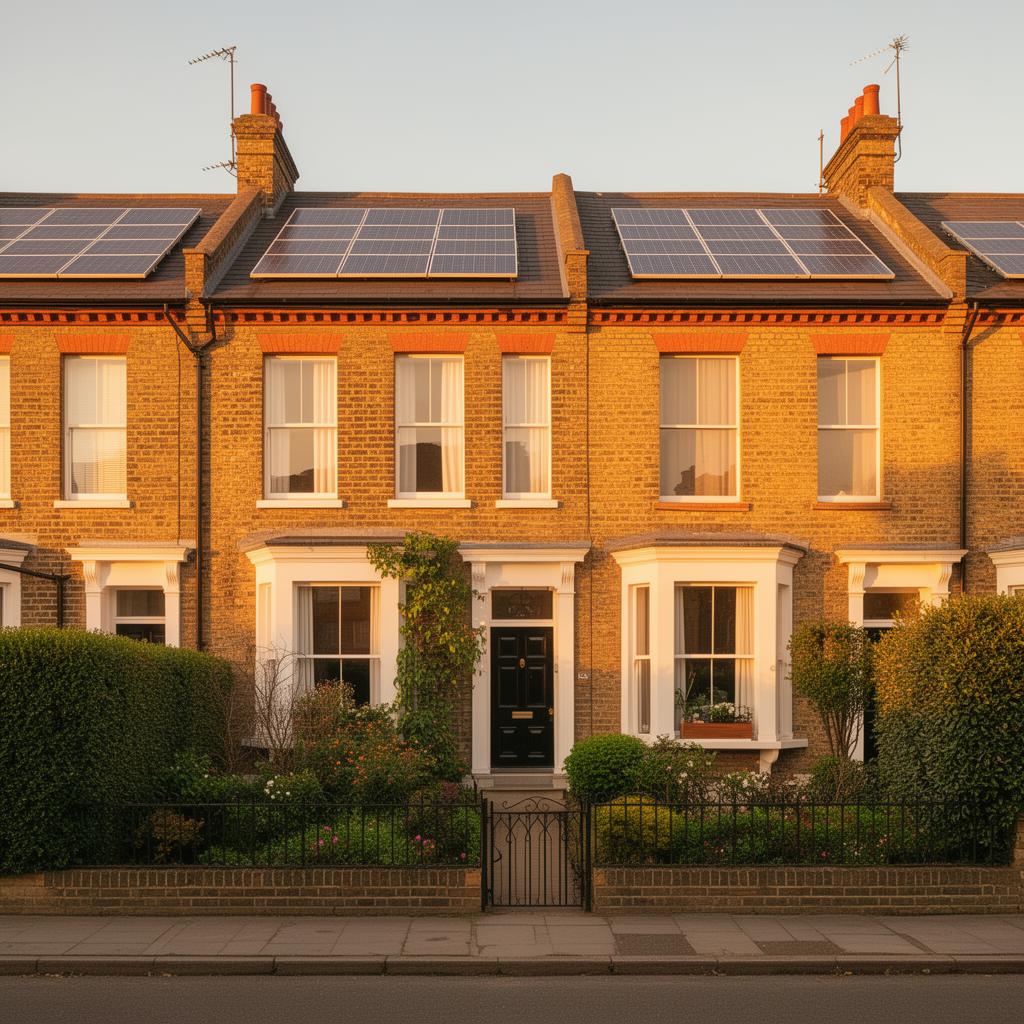
Greater Manchester’s ambition to reach net zero carbon emissions by 2038 – twelve years ahead of the UK’s national 2050 target – is one of the boldest climate commitments made by any city region in the country. With the halfway point between the commitment (made in 2019) and the target now approaching, progress has been mixed. Carbon emissions across the ten boroughs have fallen by approximately 25% since 2019, but the rate of reduction needs to accelerate significantly to hit the 2038 goal. Here is a sector-by-sector assessment of where things stand.
Is Greater Manchester on Track for Net Zero by 2038?
Greater Manchester is currently behind its 2038 net zero target, with carbon emissions reduced by approximately 45 per cent since 1990 against a required trajectory of 55 per cent by 2025. Progress has been strongest in electricity decarbonisation and public transport electrification, but domestic heating and retrofit rates remain significantly below the levels needed to meet the 2038 deadline.
The region needs to retrofit approximately 60,000 homes per year to meet its housing decarbonisation targets, but current installation rates are closer to 8,000 to 12,000 per year. Greater Manchester Combined Authority has increased investment in retrofit skills training and local installer capacity, but a step-change in government funding and private finance is needed to close the gap before 2038.
Domestic Buildings: The Biggest Challenge
Residential energy use accounts for roughly 30% of Greater Manchester’s total carbon emissions, making it the single largest sector. The region’s 1.1 million homes include a high proportion of older, poorly insulated properties – particularly terraced houses in Bolton, Oldham, Rochdale, and inner Manchester – that are expensive to heat and difficult to retrofit.
Progress in home energy efficiency has been steady but insufficient. An estimated 40,000-50,000 homes across GM have received insulation upgrades since 2019, primarily through government energy efficiency scheme funding and local authority programmes. Heat pump installations have accelerated, with around 5,000-7,000 domestic heat pumps now installed across the region. Solar panel installations have been strong, with an estimated 25,000-30,000 residential systems active.
However, at current rates, it would take over 30 years to retrofit all the homes that need it. The GMCA Five Year Environment Plan acknowledges that domestic retrofit needs to scale up by a factor of three to five to meet the 2038 target. Funding remains the primary constraint – the estimated cost of retrofitting all GM homes to a reasonable energy efficiency standard exceeds £20 billion.
Transport: Mixed Progress
Transport is the second-largest emissions sector. The Clean Air Zone, operational since 2022, has driven a shift towards cleaner commercial vehicles. EV registrations in Greater Manchester have grown by over 300% since 2019, though electric cars still represent only about 8-10% of vehicles on GM roads. The Bee Network – GM’s integrated public transport system bringing buses under public control – aims to reduce car dependency and shift journeys onto more efficient public transport.
The expansion of the Metrolink tram network, increased cycling infrastructure (over 100km of new cycle routes delivered through the Bee Network), and investment in electric bus fleets all contribute to transport decarbonisation. But private car use remains high, and the electrification of the vehicle fleet depends on national vehicle turnover rates that GM has limited ability to influence.
Renewable Energy Generation
Greater Manchester has significantly increased its renewable energy capacity since 2019. Solar capacity across the region has approximately doubled, driven by both residential installations and commercial-scale projects. The GM Local Energy Market pilot has explored innovative approaches to local energy trading, and community energy projects in Stockport, Salford, and Bury are expanding community ownership of renewable generation.
However, GM’s dense urban geography limits the potential for large-scale ground-mounted solar or onshore wind within its boundaries. Much of the region’s future renewable electricity will come from offshore wind in the Irish Sea, national grid-connected solar farms, and increasing rooftop solar on both residential and commercial buildings. GMCA is investing in smart grid infrastructure to better manage the growing proportion of renewable electricity.
Commercial and Industrial Emissions
The commercial and industrial sector has seen some of the fastest emissions reductions, driven by energy efficiency improvements in commercial buildings, the closure or relocation of some heavy industry, and the growth of less energy-intensive service sector businesses. Manchester’s corporate sector has been particularly active in setting science-based climate targets, with many of the major employers in the city centre and MediaCityUK committing to net zero on ambitious timescales.
The GM Green Business programme has supported over 2,000 small and medium enterprises to improve energy efficiency, access renewable energy, and reduce waste. For the region’s SME sector – which accounts for the majority of businesses in GM – this support has been crucial in making decarbonisation practical and affordable.
What Needs to Happen Next
The GM Climate Action Board has identified several priority actions needed to accelerate progress. Domestic retrofit must scale up dramatically, requiring sustained national funding commitment and a larger skilled workforce. The region needs to train an estimated 10,000-15,000 additional retrofit workers (insulation installers, heat pump engineers, electricians) to deliver work at the required pace.
Heat pump deployment needs to reach 20,000-30,000 installations per year across GM, up from the current rate of approximately 3,000-5,000 per year. District heating networks, planned for parts of Manchester city centre and Salford, could serve dense urban areas more efficiently than individual heat pumps.
The EV transition needs to accelerate, supported by rapid expansion of public charging infrastructure particularly in areas without off-street parking. GM has committed to ensuring that 95% of residents are within a 5-minute walk of a public chargepoint, but current coverage falls short of this target in many boroughs.
National policy support remains critical. Without sustained government funding for home energy improvements, clean air zone expansion, and renewable energy investment, GM’s 2038 target will be extremely difficult to achieve. The region is making the case for devolved climate funding and powers to match its devolved ambition.
What It Means for GM Residents
For residents across the ten boroughs, the net zero transition brings both costs and opportunities. The costs include the need to invest in home energy improvements (though grants offset much of this), potential changes to travel habits, and the adjustment to new heating technologies. The opportunities include lower energy bills from efficiency improvements, cleaner air from reduced fossil fuel use, new job opportunities in the green economy, and living in a region that is actively addressing climate change rather than waiting for others to act.
The most immediate opportunity for GM residents is to take advantage of the grants and support currently available – government energy efficiency schemes, government grant scheme, government insulation scheme, and local authority programmes – to improve their homes while funding is flowing. These schemes will not last forever, and acting now delivers both personal financial benefits and contributes to the region’s collective climate goal.
Is the 2038 target achievable?
Technically yes, but it requires a significant acceleration of effort and funding. Current progress puts GM on track for roughly a 50-60% reduction by 2038, short of the 100% needed. Closing the gap requires breakthrough improvements in domestic retrofit rates, transport electrification, and renewable energy deployment. Independent analysts describe the target as stretching but not impossible, provided national government support matches local ambition.
How can individual residents contribute to the 2038 target?
The single biggest individual contribution most GM residents can make is improving their home’s energy efficiency – insulating properly, upgrading heating controls, and considering a heat pump when the boiler needs replacing. Beyond the home, switching to an EV or using public transport, choosing renewable electricity tariffs, reducing food waste, and supporting local environmental initiatives all contribute. Collectively, these individual actions compound into the systemic change the region needs.
See what these numbers mean for your home
Free instant estimate — costs, savings, payback and grants for your region.

Related Articles

What the 2026 Future Homes Standard Means for Existing Homeowners
The Future Homes Standard is the biggest change to building regulations in England in a generation. It is designed to ensure new homes produce dramatically fewer carbon emissions. But if…
3 May 2026
Prepayment Meter Rights: Protections Against Forced Installation and Self-Disconnection
Prepayment meter rights UK explained. Learn protections against forced installation, what to do if you cannot top up, emergency credit options and how to switch away from prepay.
12 April 2026 Fuel Poverty in the UK: Definition, Statistics and What Help Is Available
Fuel poverty UK affects 9 million households. Learn the LILEE definition, who is most at risk, the funding gap, and every support scheme available to help you heat your home.
11 April 2026