Solar Panel Finance Options: Loans, Leases and PPA Deals in the UK
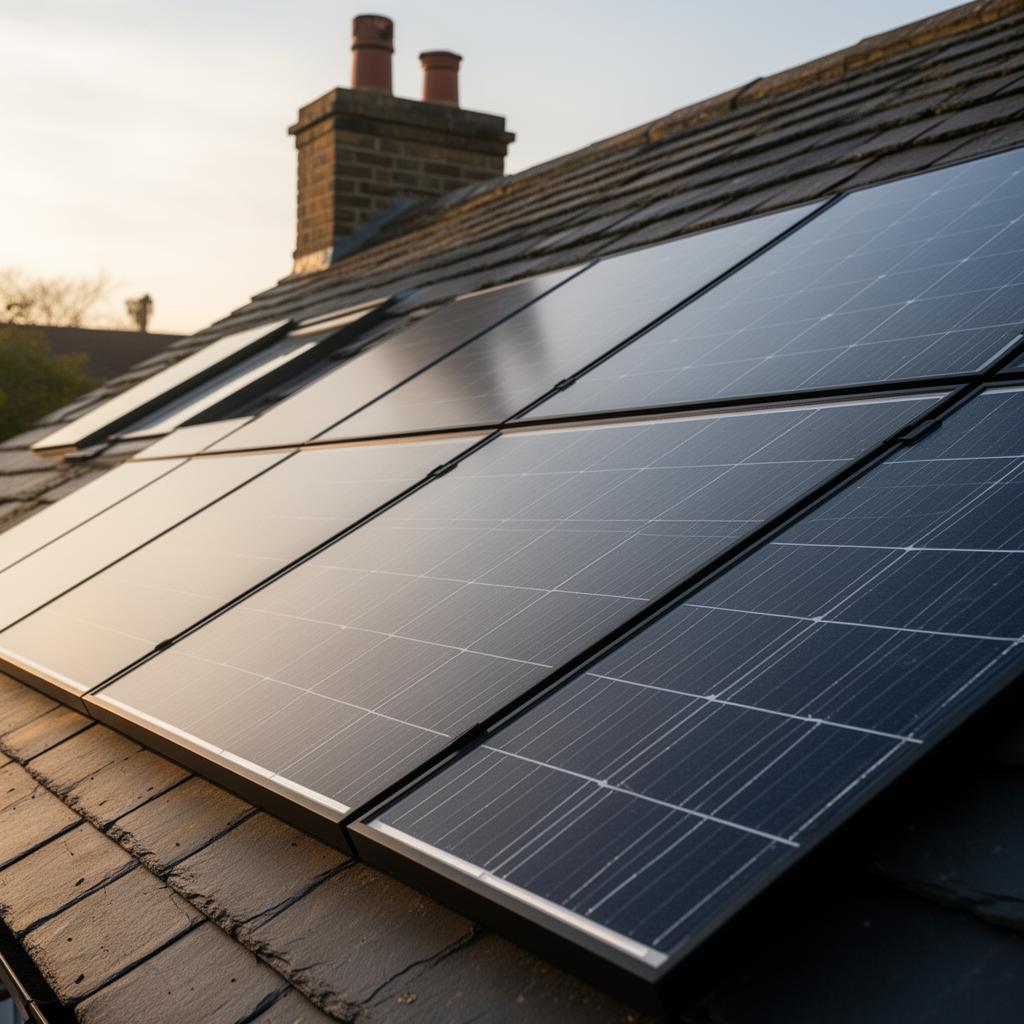
A 4kW solar panel system in Lancashire costs £5,000 to £7,000, and larger systems with battery storage can reach £12,000 to £18,000. While the payback through energy savings is strong (typically 8 to 12 years, after which you get 15 to 20 years of essentially free electricity), finding the upfront cash is a barrier for many homeowners. Several finance options exist, each with different costs, benefits and risks. Here is an honest assessment of each route, including the ones that sound good but may not deliver what they promise.
Solar Panel Finance Options Compared
| Finance Option | Typical Cost | Who Owns the Panels |
|---|---|---|
| Personal loan (green) | 2.9%–5.9% APR, £100–£200/month over 5–10 years | You — full ownership from day one |
| Solar-specific loan | 3.9%–7.9% APR, designed for solar installations | You — full ownership from day one |
| Solar lease | £50–£90/month for 20–25 years, no upfront cost | Leasing company — panels returned at end |
| Power Purchase Agreement (PPA) | Pay per kWh at discounted rate (typically 12–18p/kWh) | PPA provider — you buy the electricity only |
| Cash purchase | £5,500–£7,500 for 4kW system, paid upfront | You — best long-term return on investment |
For most UK homeowners, buying outright or using a low-interest green loan delivers the best financial return, as you keep all the savings and export income. Leases and PPAs require no upfront payment but lock you into long-term contracts and can complicate selling your property. If you are considering selling within 10 years, a loan with ownership is almost always preferable. Always check that your chosen finance provider and installer are FCA-regulated and MCS-certified respectively.
Paying Cash: Still the Best Financial Return
If you have savings available, buying outright gives the best return on investment. A £6,000 solar system saving an estimated £800 per year delivers a 13% annual return – far better than any savings account. Over 25 years, the total savings are £18,000 to £22,000 (accounting for panel degradation and potential energy price rises). No interest to pay, no contract complications, and full ownership from day one.
With 0% VAT on solar panel installations, the cash price is already 20% lower than it would otherwise be. This makes outright purchase even more attractive for those who can afford it.
Personal Loans: A Straightforward Option
A standard personal loan from your bank or building society is the simplest borrowing option. Current rates for home improvement loans range from 3% to 7% APR depending on the amount, term and your credit history. Green personal loans from some lenders offer slightly lower rates.
For a £6,000 loan at 4.5% APR over 8 years, the monthly repayment is approximately £76. The total interest paid is approximately £1,300 over the loan term. Since the solar panels save roughly £800 per year (£67 per month), the system almost pays for itself from month one even while the loan is being repaid. After the loan is cleared, you keep the full saving for the remaining 17+ years of the system’s life.
Shorter loan terms (5 years) mean higher monthly payments but less total interest. Longer terms (10 to 15 years) reduce monthly payments but increase total interest. Choose a term where the monthly repayment is comfortably below your expected monthly energy saving, so the system is cash-flow positive from the start.
Green Mortgages and Additional Borrowing
If you have a mortgage, borrowing additional funds against your property typically offers the lowest interest rates (2% to 4% currently). Some lenders, including Nationwide and Barclays, offer green additional borrowing at preferential rates for energy efficiency improvements. Because the borrowing is secured against your property, rates are lower than unsecured personal loans, and terms can be longer (matching your remaining mortgage term).
The downside is that you are increasing your mortgage debt, which extends the time until your home is mortgage-free. For homeowners early in their mortgage with decades of repayments ahead, the marginal impact is small. For those approaching the end of their mortgage, adding new secured debt may not be attractive.
Some green mortgage products offer rate discounts for energy-efficient homes (properties with EPC C or above). Adding solar panels may improve your EPC rating enough to qualify for these discounts, creating a double benefit – cheaper solar finance and a lower mortgage rate.
Solar Leases and Rent-a-Roof Schemes
Under a solar lease, a company installs panels on your roof at no upfront cost. You pay a monthly rental for the use of the system, typically £40 to £80 per month. You use the electricity generated, reducing your grid imports, but the company owns the panels and receives the export tariff income.
Solar leases can work out more expensive than a personal loan over the full term. A 20-year lease at £60 per month costs £14,400 total. The same system bought outright for £6,000 (or financed with a £6,000 loan costing £7,300 total including interest) is significantly cheaper. You also do not own the panels at the end of the lease, meaning you have no asset and no export income.
Some lease agreements include maintenance and insurance, which adds some convenience. But for most Lancashire homeowners who can access a personal loan, buying the system outright or on credit is financially superior to leasing. Read any lease contract carefully and compare the total cost against outright purchase before signing.
Power Purchase Agreements (PPAs)
A PPA is similar to a lease but instead of a fixed monthly rental, you pay a per-kWh rate for the electricity the panels generate. The rate is typically set below the grid electricity price (perhaps 15p to 20p per kWh versus the 24.5p grid rate), so you save money on every unit you use. The company owns the panels and receives export income for any surplus.
PPAs offer estimated savings with no upfront cost, which is attractive for homeowners who cannot access credit. However, the savings are smaller than they would be with an owned system, because you are paying the PPA company for electricity you could be generating for free if you owned the panels. Over 20 to 25 years, the difference is substantial.
PPA contracts are typically 20 to 25 years, which is a very long commitment. Consider what happens if you sell the property – the PPA obligation usually transfers to the new owner, which some buyers and mortgage lenders view negatively. This can complicate property sales, similar to the issues some Lancashire homeowners have experienced with old rent-a-roof previous export scheme agreements.
Community Solar Finance
Community solar schemes, where a group of homeowners collectively invest in solar installations, are emerging in parts of Lancashire. These schemes can negotiate bulk purchasing discounts (reducing per-system costs by 10% to 20%) and sometimes access community energy funding that is not available to individual homeowners.
Lancashire community energy groups, including Community Energy Lancashire and several parish-level organisations in the Ribble Valley and Lancaster, can advise on local collective purchasing opportunities. These groups are volunteer-run and offer impartial advice, unlike commercial providers who have a financial interest in selling you their specific finance product.
The Bottom Line: Which Finance Option Is Best?
For most Lancashire homeowners, the ranking from best to worst financial outcome is: cash purchase (best return, no interest), green personal loan or additional mortgage borrowing (good return, modest interest cost), standard personal loan (good return, moderate interest), PPA (estimated savings but smaller than ownership), solar lease (convenient but most expensive long-term).
Avoid any company that pressures you into signing immediately, claims their offer is only available today, or will not let you compare their deal with alternative finance. A reputable solar installer will give you time to consider your options and will not push a specific finance product. If in doubt, speak to an independent financial adviser before committing to any solar finance agreement.
Is solar panel finance worth it if I cannot pay cash?
Yes, for a personal loan or mortgage addition. A £6,000 system financed at 4.5% APR saves money from month one because the energy savings exceed the loan repayments. Over the system’s lifetime, you save an estimated £10,000 to £15,000 even after interest costs. Leases and PPAs offer smaller savings but still reduce energy bills. The only scenario where finance does not work is if you would be stretching your budget uncomfortably.
Will a solar lease affect my ability to sell my house?
It can. The lease transfers to the buyer, and some mortgage lenders are cautious about properties with long-term lease obligations on the roof. Most sales proceed without issues, but some buyers and lenders have raised concerns. If you plan to sell within the lease period, check the transfer terms carefully and discuss with a conveyancing solicitor before signing. Owning the panels outright avoids this issue entirely.
Can I get a grant for solar panels?
There is no direct grant for solar panels for most homeowners. However, 0% VAT applies to all solar installations, saving 20% on the total cost. The government energy efficiency scheme does not fund solar panels. Some local authority and community schemes occasionally offer small grants or subsidies – check with your Lancashire borough council and local community energy group for any current offers.
See what these numbers mean for your home
Free instant estimate — costs, savings, payback and grants for your region.

Related Articles
Heat Pump Grant Rises to £9,000 for Oil and LPG Homes From 21 July 2026
The standard Boiler Upgrade Scheme grant stays at £7,500. From 21 July 2026 to 31 March 2027, homes currently heated by oil or LPG get an increased £9,000 grant. Corrected…
10 June 2026
The Warm Homes Plan 2026: What Every UK Homeowner Needs to Know
The UK government’s Warm Homes Plan is the biggest energy efficiency programme in British history. Launched in January 2026 with up to £15 billion in funding, it aims to upgrade…
5 June 2026
ECO4 Scheme 2026: Who Qualifies, What’s Covered and How to Apply
The ECO4 scheme runs until December 2026, offering fully funded insulation and heating upgrades for eligible UK households. Find out if you qualify through benefits or the ECO4 Flex route,…
11 May 2026