UK Government Net Zero Strategy 2025: Key Changes for Homeowners
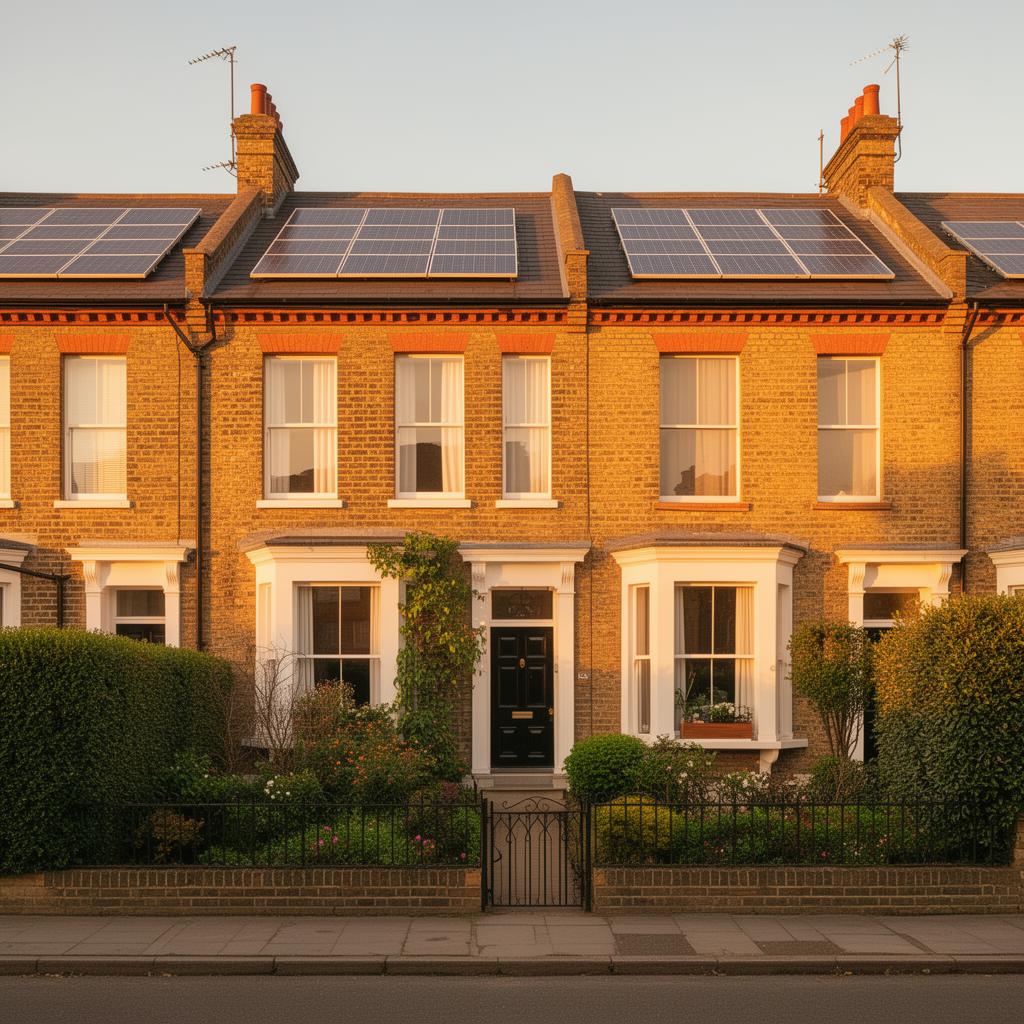
The UK government’s updated net zero strategy for 2025 introduces several policy shifts that directly affect how Lancashire homeowners heat, insulate and power their properties. From new minimum energy efficiency standards for rental properties to expanded heat pump funding and revised building regulations, the changes will shape home energy decisions for the next decade. Here is a practical breakdown of what is changing and what Lancashire residents need to plan for.
What Are the Key Net Zero Changes for Homeowners in 2025?
- Boiler Upgrade Scheme extended to 2028 — the £7,500 grant for heat pumps continues, giving homeowners more time to switch from gas boilers
- Future Homes Standard from 2025 — all new-build homes must produce 75 to 80 percent fewer carbon emissions than current Building Regulations require
- EPC C target for rental properties — landlords must achieve EPC band C on new tenancies, with all rental properties reaching C by 2030
- 0% VAT on energy-saving materials — zero-rated VAT on solar panels, heat pumps, insulation and batteries continues until March 2027
- Clean Heat Market Mechanism — boiler manufacturers must ensure a rising percentage of installations are heat pumps or face penalties
- Great British Energy investments — new publicly owned energy company funding community renewable projects across Northern England
These policy changes create both incentives and deadlines for homeowners. The combination of grants, VAT relief, and tightening regulations means the financial case for upgrading insulation and switching to low-carbon heating is stronger now than at any previous point. Homeowners who act before deadlines tighten further stand to benefit from maximum grant availability and lower installation costs.
Minimum Energy Efficiency Standards for Rental Properties
The government has confirmed plans to raise the minimum EPC rating for private rental properties to C by 2030. Currently, landlords must ensure their rental properties meet a minimum E rating. The jump to C represents a major shift and will require significant investment in many of Lancashire’s rental properties, particularly the older terraced housing stock across Burnley, Blackburn, Hyndburn and Pendle that makes up a substantial portion of the private rental market.
For a typical Lancashire terrace currently rated E or D, reaching C will likely require a combination of cavity or solid wall insulation, upgraded loft insulation, double glazing, and possibly a new heating system. The estimated cost per property is £5,000 to £15,000 depending on the starting condition. Government funding through government energy efficiency schemes and government insulation scheme will cover some of this cost for eligible properties, but many landlords will face significant out-of-pocket expenses.
The timeline for implementation is expected to apply to new tenancies from 2028 and all tenancies by 2030. Lancashire landlords should begin planning now, as the closer to the deadline, the more competition there will be for installers and grant funding. Properties that already struggle to attract tenants due to high energy costs will benefit most from early investment.
Heat Pump Targets and Support
The government has set a target of 600,000 heat pump installations per year by 2028, up from roughly 55,000 in 2023 and an estimated 80,000 to 100,000 in 2024. To achieve this, several support measures are being maintained and expanded.
The government heat pump grant continues with up to £7,500, extended to March 2028. The Clean Heat Market Mechanism, which places obligations on boiler manufacturers to sell a proportion of heat pumps alongside gas boilers, came into effect in 2024 and is expected to drive manufacturer incentives that reduce heat pump prices. Early signs suggest that competition and manufacturing scale are beginning to bring heat pump costs down, with some models now available for under £3,000 at trade prices.
For Lancashire, the expanded installer training programmes are particularly relevant. The government has funded additional training places for heat pump engineers through colleges and training centres across the North West. Burnley College, Preston’s College and several Manchester institutions now offer heat pump installation qualifications, growing the local workforce needed to meet demand.
Building Regulations: The proposed building standards
The proposed building standards, expected to take full effect in 2025, mandates that all new homes produce 75% to 80% less carbon than current standards. In practice, this means new homes will not have gas boilers. Heat pumps, solar panels, improved insulation and airtight construction will be standard features in every new development.
For Lancashire’s active new-build market – with major developments at Buckshaw Village, Whittingham, Cottam, and numerous sites across Greater Manchester – this means the next generation of houses will be fundamentally different from those built just a few years ago. Buyers of new homes from 2025 onwards can expect lower energy bills, no gas connection, and integrated renewable technology.
Existing homeowners are not directly affected by the proposed building standards, but the technology and supply chains it creates will benefit the retrofit market. As heat pumps, high-performance windows, and advanced insulation become standard in new builds, their costs for retrofit installations should also decrease through economies of scale.
Carbon Tax and Energy Pricing Changes
The government is considering rebalancing energy costs to make electricity relatively cheaper compared to gas. Currently, electricity is about four times the price of gas per kWh, which makes heat pumps (which run on electricity) less economically attractive than they should be given their 300% to 400% efficiency advantage. Proposals include shifting green levies from electricity bills to gas bills or to general taxation.
If electricity becomes relatively cheaper and gas relatively more expensive, the financial case for heat pumps, induction cooking and electric vehicles strengthens significantly. For Lancashire homeowners planning major investments in their homes, this potential shift is worth factoring into long-term calculations. A heat pump that marginally saves money at current energy prices could become a very strong financial performer if the electricity-to-gas price ratio narrows.
The continued 0% VAT on energy-saving materials and installations is confirmed through at least 2027. This applies to insulation, heat pumps, solar panels, battery storage and heat pump hot water cylinders. For Lancashire homeowners, this represents a genuine 20% saving on any energy efficiency improvement.
What This Means for Lancashire Homeowners
The direction of travel is clear. Over the next five to ten years, homes with poor energy efficiency will become more expensive to run (through energy price rebalancing), harder to rent out (through minimum EPC standards), and potentially less valuable at sale (as buyers factor in upgrade costs). Homes that have already been improved will benefit from lower running costs, compliance with standards, and growing buyer preference for energy-efficient properties.
For Lancashire specifically, the combination of older housing stock, relatively affordable property prices, and available grant funding creates both a challenge and an opportunity. The challenge is the sheer number of properties needing improvement – Lancashire has some of the most energy-inefficient housing in England. The opportunity is that grant funding, 0% VAT, and a government grant scheme scheme make improvements more affordable than they have ever been.
Homeowners planning to stay in their property for five years or more should consider investing in energy efficiency improvements now, while funding is available and before potential demand surges push up installer prices and waiting times. Those planning to sell in the next few years should consider whether improvements would increase their property value enough to justify the investment.
Timeline of Key Changes
- 2025: proposed building standards takes effect for new builds; government grant continues at £7,500; government energy efficiency schemes and government insulation scheme funding continues
- 2026: government insulation scheme scheduled to end (March); potential energy price rebalancing measures
- 2028: government grant scheme scheme scheduled to end (March); new tenancy EPC C minimum expected; 600,000 heat pump annual target
- 2030: All rental properties must meet EPC C; gas boiler phase-out date for new installations under discussion
- 2035: Potential ban on new gas boiler installations in existing homes (subject to consultation)
These dates may shift as policy evolves, but the trajectory is consistent. Each year brings tighter standards, more support for clean energy, and increasing pressure to move away from fossil fuel heating. Lancashire homeowners who act early will benefit from current funding, available installer capacity, and the longest period of lower running costs.
Will gas boilers be banned?
New gas boiler installations in new-build homes will effectively end under the proposed building standards from 2025. For existing homes, no ban is currently confirmed, but the government has consulted on ending new gas boiler installations from 2035. Your existing boiler can continue to operate as long as it works, and replacement parts will remain available for many years beyond any phase-out date.
Do I need to upgrade my rental property to EPC C?
The planned requirement is EPC C for new tenancies from 2028 and all tenancies by 2030, though these dates may change. Landlords should plan now given the scale of work needed for many Lancashire properties. government energy efficiency schemes, government insulation scheme and the 0% VAT rate can reduce costs significantly. A spending cap per property is expected to protect landlords from unreasonable costs where achieving C is technically difficult or disproportionately expensive.
How will energy prices change under net zero policies?
The government is considering making electricity relatively cheaper compared to gas, which would benefit heat pump owners and penalise those relying on gas heating. The exact mechanism is under consultation, but potential approaches include moving green levies from electricity to gas or funding them through general taxation. The 0% VAT on energy-saving installations continues until at least 2027.
See what these numbers mean for your home
Free instant estimate — costs, savings, payback and grants for your region.

Related Articles

What the 2026 Future Homes Standard Means for Existing Homeowners
The Future Homes Standard is the biggest change to building regulations in England in a generation. It is designed to ensure new homes produce dramatically fewer carbon emissions. But if…
3 May 2026
Prepayment Meter Rights: Protections Against Forced Installation and Self-Disconnection
Prepayment meter rights UK explained. Learn protections against forced installation, what to do if you cannot top up, emergency credit options and how to switch away from prepay.
12 April 2026 Fuel Poverty in the UK: Definition, Statistics and What Help Is Available
Fuel poverty UK affects 9 million households. Learn the LILEE definition, who is most at risk, the funding gap, and every support scheme available to help you heat your home.
11 April 2026