How Much Does It Cost to Heat a Lancashire Home in 2026?
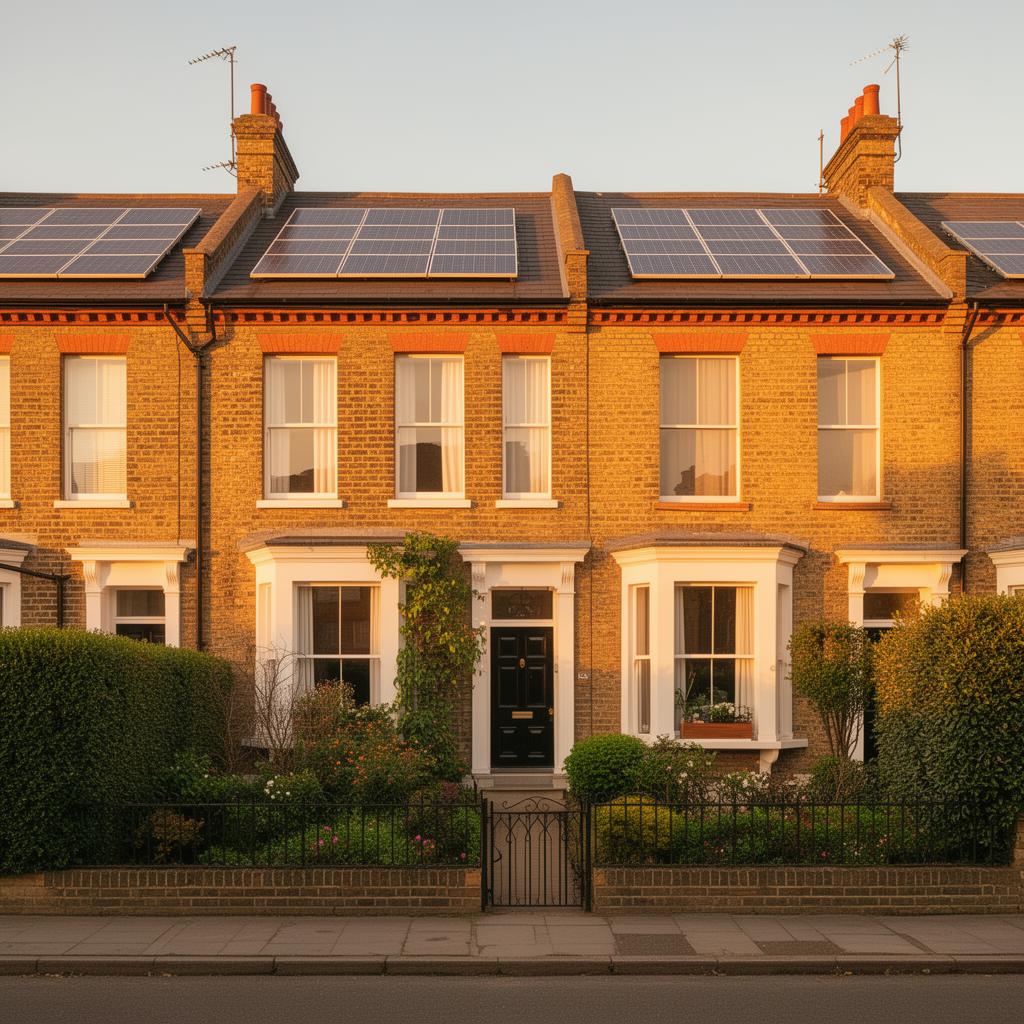
Heating a three-bedroom semi-detached house in Lancashire costs between £850 and £1,300 per year in 2026, depending on your fuel type, boiler efficiency, and insulation levels. Gas remains the cheapest conventional fuel at roughly £950 to £1,100 for typical usage, while oil costs £1,200 to £1,600 and electric heating runs £1,400 to £2,200. Heat pumps offer the lowest running costs of all at £600 to £850. Here is a complete breakdown for every common Lancashire home type and heating system.
How Much Does It Cost to Heat a Home in 2026?
The average cost to heat a three-bedroom home in Lancashire in 2026 is £850–£1,200 per year with a gas boiler at current energy price cap rates of 5.74p per kWh for gas. Homes using oil heating pay £1,100–£1,600, electric storage heaters cost £1,800–£2,600, and air source heat pumps offer the lowest running costs at £600–£1,000 per year thanks to their 300–400% efficiency rating.
Lancashire’s climate, with average winter temperatures of 3–6°C, means heating demand runs roughly October through April. Older stone-built terraces and semi-detached homes common across Burnley, Blackburn and Preston tend to have higher heat loss than modern builds, pushing costs towards the upper end of each range. Improving insulation to EPC band C typically reduces annual heating costs by 20–35%.
Current Energy Prices in Lancashire
To calculate heating costs, you need to know the current fuel prices. As of Q1 2026 under the energy price cap:
- Natural gas – 6.5p per kWh (the price cap rate)
- Electricity – 24.5p per kWh (the price cap rate)
- Heating oil (kerosene) – Roughly 7.5p to 8.5p per kWh (varies with oil price; currently around 58p to 65p per litre)
- LPG – Roughly 9p to 11p per kWh
These prices apply to standard tariffs. If you are on a fixed deal or time-of-use tariff, your actual rates may differ. Lancashire homes on oil and LPG tend to be in rural areas – the Ribble Valley, Forest of Bowland, and parts of the Fylde – where the mains gas network does not reach.
Heating Costs by Home Type in Lancashire
Lancashire has a distinctive housing stock. The county is known for its rows of stone and brick terraces in the mill towns, council-built estates from the 1950s to 1980s, Victorian and Edwardian semis across the market towns, and a scattering of rural cottages, farmhouses, and detached properties. Each type has different heating demands.
Two-bedroom terraced house (Burnley, Nelson, Accrington) – These compact homes typically use 8,000 to 11,000 kWh of gas per year for heating and hot water. Annual gas heating cost: £520 to £715. Many of these homes have solid stone walls and benefit enormously from insulation improvements. With government energy efficiency schemes-funded insulation, heating demand can drop by 20% to 30%.
Three-bedroom semi-detached (Preston, Blackburn, Chorley) – The most common Lancashire home type uses 11,000 to 16,000 kWh of gas annually. Annual gas heating cost: £715 to £1,040. Cavity wall homes from the 1930s onwards are often easier and cheaper to insulate than the older terraces.
Three-bedroom detached (Ribble Valley, Longridge, Poulton) – More exposed wall area means higher heat loss. Typical gas consumption: 14,000 to 20,000 kWh. Annual gas heating cost: £910 to £1,300. These homes see the biggest benefit from upgrading to a heat pump because the absolute savings are larger.
Four-bedroom detached (Garstang, Clitheroe, Whalley) – Larger homes in Lancashire’s market towns can use 18,000 to 25,000 kWh or more. Annual gas heating cost: £1,170 to £1,625. Many of these homes also have higher-value fixed tariff deals that can reduce costs further.
Gas Boiler Heating Costs
The vast majority of Lancashire homes – around 85% – are heated by gas boilers. A modern condensing boiler operates at 90% to 94% efficiency, meaning for every £1 of gas burned, 90p to 94p becomes useful heat. Older non-condensing boilers (pre-2005) may only achieve 70% to 80% efficiency, costing significantly more to run.
If your boiler is more than 15 years old, upgrading to a modern condensing model can save an estimated £150 to £300 per year. A new gas boiler costs £2,000 to £3,500 installed in Lancashire, giving a payback period of seven to fifteen years on fuel savings alone.
For a typical three-bedroom Lancashire semi using 13,000 kWh of gas for heating, the annual cost on a modern boiler is approximately £845 at the current cap rate. On an older 80% efficient boiler, the same heating demand costs around £1,055 – a difference of £210 per year.
Oil Heating Costs in Rural Lancashire
Roughly 8% to 10% of Lancashire homes rely on oil heating, predominantly in rural areas away from the gas grid. Current oil prices of around 60p per litre translate to approximately 7.5p to 8.5p per kWh, making oil 15% to 30% more expensive than gas per unit of heat.
A three-bedroom oil-heated home in the Ribble Valley typically spends £1,200 to £1,600 per year on heating. Larger farmhouses and period properties can exceed £2,000 annually. Oil prices are volatile – they spiked above 80p per litre in 2022 and have since settled, but there is no cap like the energy regulator gas cap.
Oil-heated homes have the strongest financial case for switching to a heat pump. Government grants of up to £7,500 combined with running cost savings of £400 to £800 per year means a heat pump can pay for itself in five to eight years, which is faster than for gas-heated homes.
Electric Heating Costs
Around 5% of Lancashire homes use electric heating, typically storage heaters or panel heaters. At 24.5p per kWh, electric heating is roughly four times more expensive per unit than gas. A three-bedroom home heated entirely by electricity can spend £1,400 to £2,200 per year.
Storage heaters on an Economy 7 tariff are cheaper to run because they charge overnight at a lower rate (typically 10p to 15p per kWh). However, they lose heat throughout the day and often leave rooms cold by evening, which leads to additional heating costs from supplementary heaters.
Electric heating is common in Lancashire flats, particularly purpose-built apartments in Preston, Lancaster, and Manchester city centres. For these properties, switching to a heat pump (specifically an air-to-air unit that acts like reverse air conditioning) can cut heating costs by 60% to 70%.
Heat Pump Running Costs
A heat pump delivers three to four units of heat for every unit of electricity consumed (measured as Coefficient of Performance, or COP). At 24.5p per kWh of electricity, the effective heating cost is 6p to 8p per kWh of heat – comparable to gas and significantly cheaper than oil or direct electric.
For a three-bedroom Lancashire semi, annual heat pump running costs for space heating and hot water are typically £600 to £850. That is £100 to £250 less than gas, £500 to £800 less than oil, and £700 to £1,400 less than electric heating.
If you combine a heat pump with a time-of-use electricity tariff (charging your hot water cylinder and running the heat pump at off-peak rates), costs can drop further. Some heat pump owners in Lancashire report annual heating costs under £500 using Octopus Cosy or similar tariffs that offer cheap overnight electricity.
How to Reduce Your Heating Costs Right Now
Whatever fuel you use, these steps may help reduce your heating bill immediately:
- Drop your thermostat by one degree (saves roughly 10% on heating costs).
- Bleed radiators and check they are not blocked by furniture.
- Use thermostatic radiator valves to turn down heating in unused rooms.
- Set your heating timer to match when you are actually home.
- Close curtains at dusk to retain heat, especially in rooms with single glazing.
- Draught-proof doors, windows, letterboxes, and keyholes.
- Check your loft insulation depth and top up if it is below 270mm.
Combined, these zero-cost and low-cost measures can save a Lancashire household £200 to £400 per year without any major investment.
What is the cheapest way to heat a Lancashire home in 2026?
An air source heat pump on a time-of-use electricity tariff currently offers the lowest running costs, at roughly £450 to £700 per year for a typical three-bedroom semi. For homes without a heat pump, a modern condensing gas boiler on a competitive fixed tariff is the cheapest conventional option at £750 to £1,000 per year.
Is it cheaper to leave the heating on low all day or use a timer?
Using a timer is almost always cheaper. Leaving heating on all day, even at a low setting, means you are paying to heat the house when nobody is home. A properly set timer that matches your daily routine saves 10% to 20% compared to constant low heating. The exception is homes with extremely poor insulation that take a very long time to warm up, but even then, a timer is usually more cost-effective.
Why is my heating bill higher than my neighbour’s?
Common reasons include lower insulation levels, an older or less efficient boiler, a higher thermostat setting, more occupants, different usage patterns, and different tariff rates. Even identical-looking Lancashire semis can have very different energy costs if one has cavity wall insulation and the other does not, or if one has a 20-year-old boiler while the other was replaced recently.
See what these numbers mean for your home
Free instant estimate — costs, savings, payback and grants for your region.

Related Articles
7 Quick Wins to Cut Your Energy Bills This Summer
Summer might seem like the wrong time to think about energy bills, but it is actually when the smartest homeowners make changes. Lower heating demand means more of your spending…
22 May 2026
The Best Time of Year to Replace Your Boiler (and How to Get the Best Price)
Find out why summer is the best time to replace your boiler in the UK, how to negotiate better prices and what to check before committing to an installation.
9 May 2026
Electric Heating Options Explained: Panel Heaters, Storage Heaters and Infrared
Compare electric heating options for UK homes including modern storage heaters, ceramic panel heaters and infrared panels with running cost breakdowns.
7 May 2026