Solar Panel Costs in 2026: What Lancashire Homeowners Will Pay
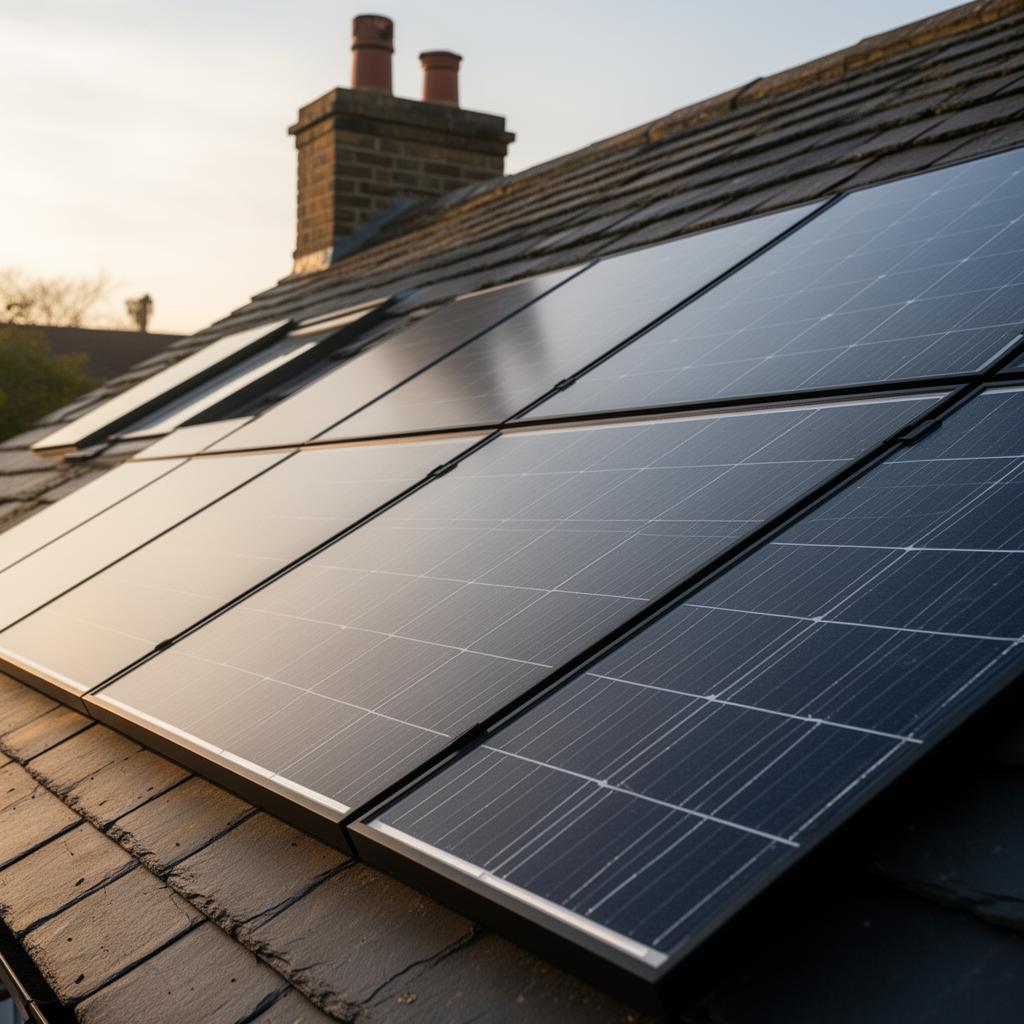
A typical 4kW solar panel system for a Lancashire home costs between £5,200 and £7,800 in 2026, with most homeowners paying around £6,400 after the 0% VAT saving. That price includes supply, installation, scaffolding, and connection to your consumer unit. Compared to early 2024, prices have dropped roughly 12% thanks to falling panel costs and increased competition among qualified installers across the North West.
How Much Do Solar Panels Cost in 2026?
In 2026, solar panel installation in Lancashire costs between £5,500 and £7,500 for a typical 4kW system and £8,000 to £11,000 for a 6kW system including VAT at 0%. Adding battery storage costs an extra £2,500 to £5,000. Lancashire homeowners can expect annual savings of £700 to £1,100 on electricity bills depending on usage patterns and export tariff rates.
Prices have fallen steadily since 2022 as panel manufacturing capacity has expanded. Lancashire receives around 1,050 to 1,150 peak sunshine hours per year, which is sufficient for a well-positioned system to generate 3,400 to 4,200 kWh annually from a 4kW array — enough to cover 50 to 70 per cent of a typical household’s electricity needs.
What Determines the Price of a Solar Panel System?
Several factors affect what you will actually pay. The size of the system is the biggest variable. A 3kW system suited to a two-bedroom terraced house in Burnley or Accrington might cost £4,200 to £5,600, while a larger 6kW system for a four-bedroom detached home in Chorley or Poulton-le-Fylde could run between £7,500 and £10,200.
Roof type matters too. A straightforward south-facing pitched roof with concrete tiles is the cheapest to work on. If you have a slate roof, expect to add £200 to £400 for the extra care needed during installation. Flat roofs require mounting frames, adding £300 to £600. Homes in conservation areas around places like Clitheroe or Whalley may need planning permission, which adds time and potentially cost.
Scaffolding typically costs between £400 and £800, depending on the height and complexity of your property. A standard two-storey semi in Preston or Blackburn is usually at the lower end. Three-storey Victorian properties in areas like Didsbury or Chorlton in Manchester can push scaffolding costs higher.
Solar Panel System Sizes and Costs for Lancashire Homes
Here is a breakdown of typical system sizes matched to common Lancashire housing types. These prices include installation and 0% VAT:
- 3kW (8-10 panels) – £4,200 to £5,600. Suited to smaller terraced homes in towns like Nelson, Darwen, or Haslingden. Generates around 2,500 kWh per year.
- 4kW (10-12 panels) – £5,200 to £7,800. The most popular size for three-bedroom semis across Lancashire. Generates around 3,400 kWh per year.
- 5kW (13-15 panels) – £6,500 to £9,000. Good for larger semis and smaller detached homes in areas like Leyland, Fulwood, or Ramsbottom. Generates around 4,200 kWh per year.
- 6kW (16-18 panels) – £7,500 to £10,200. Suited to detached homes with big roof areas. Generates around 5,000 kWh per year.
These figures assume standard monocrystalline panels from brands like JA Solar, Trina, or Canadian Solar, which are the most commonly offered by Lancashire installers. Premium panels from SunPower or LG can add 15% to 25% to the total price.
Should You Add a Battery? Updated Battery Storage Costs
Adding a battery storage system is increasingly popular among Lancashire homeowners. A 5kWh battery like the GivEnergy All-in-One costs between £2,500 and £3,500. Larger systems like the Tesla Powerwall 2 (13.5kWh) run from £5,500 to £7,000 fully installed.
Whether a battery makes financial sense depends on your usage patterns. If you are out at work during the day and use most of your electricity in the evening, a battery lets you store the solar energy generated while you are away. For a typical Lancashire household using 3,500 kWh per year, a battery can increase your self-consumption from around 40% to 70% or more, saving an additional £300 to £500 annually at current electricity rates.
The payback period for a battery alone is currently around 7 to 10 years. Combined with panels, the whole system typically pays for itself in 8 to 12 years, depending on your electricity usage and export income.
How Much Can Lancashire Homeowners Save With Solar?
Lancashire gets around 1,100 to 1,200 hours of sunshine per year, which is slightly below the UK average of 1,400 hours. That said, modern panels perform well in overcast conditions and still generate useful electricity on cloudy days. A 4kW system in Preston or Lancaster will typically produce between 3,200 and 3,600 kWh annually.
At the current electricity rate of around 24.5p per kWh (Q1 2026 cap), every unit of solar electricity you use instead of buying from the grid saves you that amount. If you use 50% of what you generate directly, that is roughly £400 to £440 saved per year. Add in export tariff payments of 4p to 15p per kWh for surplus electricity, and you could earn another £80 to £200 annually.
Total annual benefit with a 4kW system and no battery: £480 to £640. With a battery increasing self-consumption: £700 to £900. Those numbers mean a panels-only system pays for itself in roughly 9 to 13 years, while a system with battery storage can break even in 10 to 14 years.
Getting the Best Price From Lancashire Installers
Always get at least three quotes from qualified installers. relevant certification is essential because without it you cannot claim the 0% VAT rate or sign up for the export tariff. There are over 40 qualified solar installers operating across Lancashire and Greater Manchester.
When comparing quotes, check that they include everything: panels, inverter, mounting hardware, scaffolding, electrical work, relevant certification paperwork, and connection to the grid. Some installers quote a low headline figure and then add extras later.
Watch out for very cheap quotes that use lesser-known panel brands or micro-inverters instead of a string inverter. While micro-inverters have their advantages (especially on partially shaded roofs), they should be chosen for technical reasons, not as a way to cut costs.
Local installers based in Lancashire often provide better aftercare than national firms. They are also more familiar with local planning requirements, particularly in areas like the Forest of Bowland AONB or Ribble Valley borough where additional permissions may be needed.
Grants and Financial Support for Solar in 2026
The 0% VAT rate on residential solar panel installations continues throughout 2026. This saves you around £1,000 to £1,500 compared to the standard 20% rate. No application is needed – your installer applies it automatically.
The government energy efficiency scheme can sometimes cover solar panel installation for households on certain benefits or with low Energy Performance Certificate ratings. If your home has an EPC rating of D or below and you receive benefits like Universal Credit, pension top-up benefits, or Child Tax Credit, it is worth checking your eligibility.
Some Lancashire councils also offer interest-free loans or local grants for renewable energy. Lancashire County Council’s energy efficiency programmes and the Greater Manchester previous government grant scheme have both supported solar installations in recent years. Check with your local authority for current availability.
Is 2026 a Good Year to Install Solar in Lancashire?
Prices have dropped significantly from their 2022 peak when supply chain issues pushed costs up by 20% to 30%. Panel prices are now stable, and installer availability in Lancashire is good – most companies can fit you in within four to eight weeks of placing an order.
Electricity prices remain high enough that solar makes financial sense. If the energy price cap stays above 20p per kWh (which most analysts expect for the foreseeable future), a solar system will continue to offer strong returns. The longer you wait, the more you spend on grid electricity in the meantime.
For Lancashire homeowners who have been considering solar, 2026 offers a good combination of lower installation costs, continued 0% VAT, and high enough electricity prices to make the investment worthwhile.
How many solar panels do I need for a Lancashire home?
Most Lancashire homes suit a 3kW to 5kW system, which means 8 to 15 panels. A three-bedroom semi typically needs 10 to 12 panels (4kW), while a larger detached house may benefit from 14 to 18 panels (5kW to 6kW). Your installer will survey your roof and electricity usage to recommend the right size.
Do solar panels work well in Lancashire’s climate?
Yes. While Lancashire gets less sunshine than southern England, modern panels are efficient in diffused light and still generate electricity on overcast days. A well-positioned system in Preston or Blackburn will produce around 85% of what the same system would generate in London, which is still enough to make the investment pay for itself.
Can I get solar panels installed for free in Lancashire?
Possibly, if you qualify for the government energy efficiency scheme. You will need to be receiving certain means-tested benefits and have a home with a low EPC rating. Contact your local council or an scheme-qualified installer to check your eligibility. Be cautious of cold callers promising free panels, as some schemes have conditions attached that may not be in your best interest.
See what these numbers mean for your home
Free instant estimate — costs, savings, payback and grants for your region.

Related Articles
Is Solar Battery Storage Worth It in 2026?
Solar panels are now a common sight on UK rooftops, but the real game-changer in 2026 is battery storage. A home battery lets you store the electricity your panels generate…
2 June 2026
Why Spring Is the Perfect Time to Install Solar Panels
If you have been thinking about solar panels for a while but never quite pulled the trigger, spring is the moment to act. The combination of lengthening days, mild installation…
23 April 2026
How the Energy Price Cap Affects Heat Pump and Solar Panel Payback
See how the energy price cap affects heat pump and solar panel payback periods. Real calculations using current UK unit rates show why investing now locks in stronger returns.
15 April 2026