Is a 10kW Solar System Worth It for Larger Lancashire Homes?
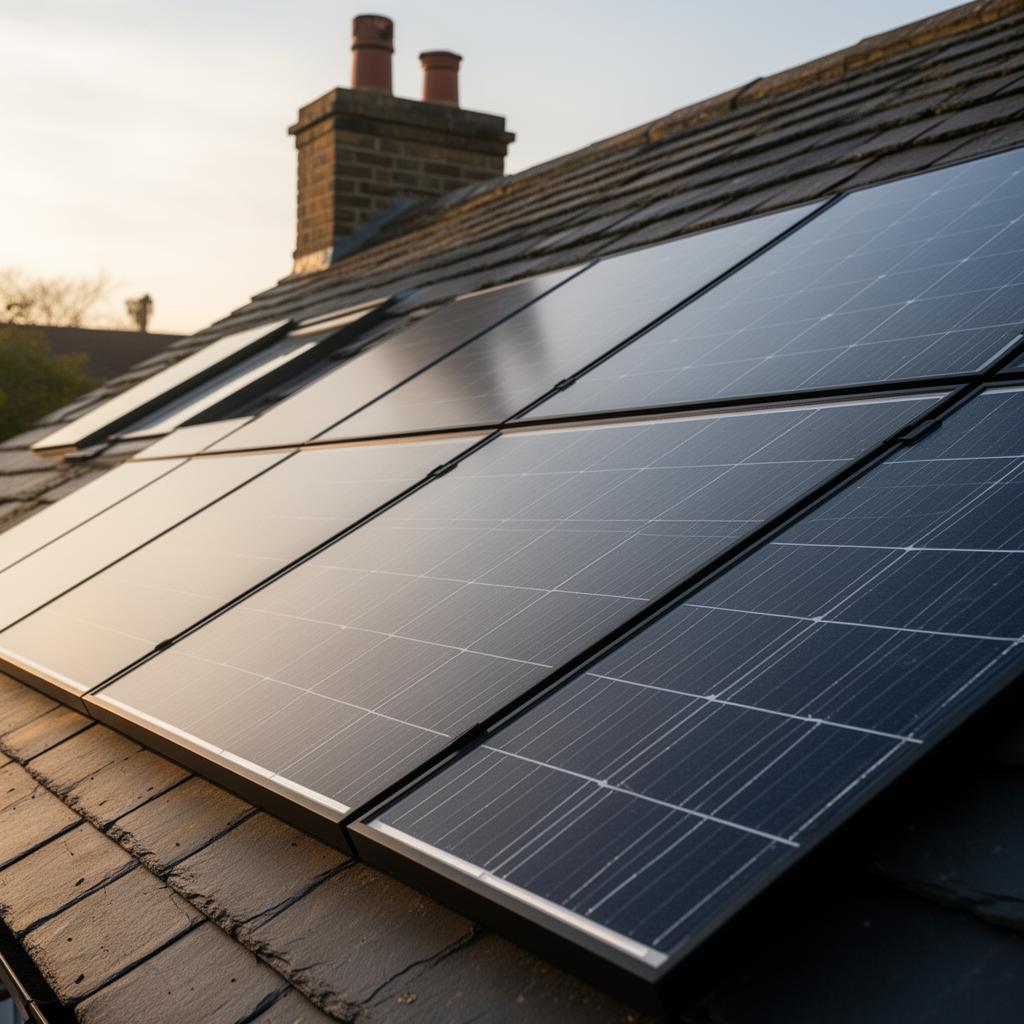
A 10kW solar system generates approximately 8,500-9,500 kWh per year in Lancashire – enough to power two average homes or one larger property with high electricity consumption. At current prices, that output is worth £2,000-2,300 annually in avoided electricity purchases and export income. With installed costs of £9,000-14,000 (inclusive of 0% VAT), payback periods of 5-7 years make this a compelling investment for the right property. But a system this size is not for everyone.
Is a 10kW Solar System Worth It?
Yes, a 10kW solar system is worth it for larger Lancashire homes with high electricity consumption, particularly those with heat pumps, electric vehicles or home offices. A 10kW system costs £10,000 to £14,000 (0% VAT) and generates 8,500 to 10,500 kWh per year in Lancashire — enough to save £1,200 to £1,800 annually through self-consumption and export payments, giving a payback period of 6 to 9 years.
The financial case is strongest when you can use 40 per cent or more of the generated electricity directly, which is realistic for homes running a heat pump or charging an EV during daylight hours. Adding a 10 to 13kWh battery costs an extra £4,000 to £6,000 but increases self-consumption to 70 to 80 per cent, further reducing your reliance on grid electricity and shortening the overall payback period.
Who Needs a 10kW System?
A 10kW solar system makes financial sense when your electricity consumption is high enough to use a significant proportion of the generation on-site. Self-consumed electricity saves you the full retail rate (around 24p per kWh), while exported surplus earns only 4-15p per kWh through the export tariff. The more you use on-site, the faster the system pays back.
Households with annual electricity consumption above 6,000 kWh are strong candidates. This includes larger detached homes in areas like Longridge, Poulton-le-Fylde, or Alderley Edge that run multiple appliances, families with electric vehicle charging needs (adding 2,000-4,000 kWh per year), homes with air source heat pumps (adding 3,000-5,000 kWh per year), properties with home offices drawing power throughout the day, and households with swimming pools, hot tubs, or other high-consumption features.
A typical scenario: a five-bedroom detached house near Garstang with an EV, heat pump, and two adults working from home might consume 10,000-12,000 kWh per year. A 10kW solar system combined with a battery could cover 60-75% of this consumption, saving an estimated £1,500-1,800 annually. Add export tariff income for surplus generation and the total financial benefit reaches £1,800-2,200 per year.
Roof Space Requirements
A 10kW system needs approximately 40-50 square metres of roof space, depending on the panel wattage. Using current 400-420W panels, you need 24-25 panels. This typically requires either a large south-facing roof area or panels spread across two or more roof faces (for example, east and west facing).
For larger Lancashire properties, roof space is usually not the limiting factor. A standard detached house has 60-80 square metres of usable roof area. The constraint is more often the electrical connection – systems above 3.68kW on a single phase supply require permission from the Distribution Network Operator (Electricity North West in Lancashire), and systems above 16kW may need an export limitation device fitted.
For a 10kW system, your installer will submit a G99 application to Electricity North West on your behalf. Approval typically takes 4-8 weeks and is usually granted without issues, though properties on rural networks or at the end of long supply lines may face restrictions. Starting this process early avoids delays to your installation timeline.
Cost Breakdown for a 10kW System in 2025
A 10kW solar PV system installed on a Lancashire home in 2025 typically costs between £9,000 and £14,000 including VAT at 0%. The price variation depends on panel quality (budget panels around £100-130 each vs premium panels at £180-250), inverter type (string inverter at £800-1,500 vs micro-inverters at £2,500-4,000), scaffolding and access requirements, roof type and complexity, and the installer’s pricing.
For a straightforward installation on a new-build or modern detached house with a clear south-facing roof, expect to pay around £9,000-11,000. For more complex installations involving multiple roof faces, period properties, or difficult access, prices rise to £11,000-14,000. Adding a battery storage system (recommended to maximise self-consumption) adds £2,500-6,000 depending on capacity.
A complete package of 10kW solar, 10kWh battery, and installation typically costs £13,000-18,000 in Lancashire – an investment that generates returns of £1,800-2,500 per year at current electricity prices.
Monthly Output Through the Year
A 10kW system in Lancashire follows the same seasonal pattern as smaller systems but with larger absolute numbers. Expect roughly 200 kWh in January, 350 kWh in February, 650 kWh in March, 850 kWh in April, 1,050 kWh in May, 1,100 kWh in June, 1,050 kWh in July, 900 kWh in August, 700 kWh in September, 450 kWh in October, 250 kWh in November, and 180 kWh in December.
During summer months, a 10kW system generates 30-40 kWh per day on clear days – far more than most households consume. Without battery storage, a large proportion of this surplus is exported. With a 10kWh battery, you capture much more of this generation for evening and nighttime use, increasing the financial return significantly. For households with EVs, scheduling daytime charging during solar production hours absorbs surplus generation effectively.
Battery Storage: Essential or Optional?
For a 10kW system, battery storage shifts from a nice-to-have to a near-essential component. Without a battery, a household consuming 6,000-8,000 kWh per year might self-consume only 30-40% of a 10kW system’s output, exporting the remainder at lower value. With a 10kWh battery, self-consumption rises to 55-70%, and with a larger 13-15kWh battery, to 65-80%.
The financial impact is significant. At 24p per kWh saved versus 8p per kWh exported, each additional kWh shifted from export to self-consumption is worth an extra 16p. Over a year, a 10kWh battery in a Lancashire home with a 10kW solar system can shift approximately 2,500-3,500 kWh from export to self-use, worth an additional £400-560 per year. Against a battery cost of £3,000-5,000, payback on the battery element alone is 6-10 years.
Planning Permission and DNO Approval
Solar panels on domestic roofs are permitted development in most cases, even at 10kW. The panels must not protrude more than 200mm from the roof surface and must not extend above the roof ridge. For listed buildings and properties in conservation areas, planning permission may be required regardless of size.
The DNO (Electricity North West) application is the more significant requirement for 10kW systems. Your installer handles this, but you should be aware that approval is needed before installation can begin. In some cases, particularly in rural Lancashire where the local grid infrastructure is older, the DNO may impose conditions such as an export limitation or require a grid reinforcement contribution. These situations are relatively rare but can add cost and delay.
Return on Investment Calculation
For a £12,000 system (10kW panels plus 10kWh battery) generating 9,000 kWh per year, with 65% self-consumption and the remainder exported at 8p per kWh: self-consumed electricity value is 5,850 kWh at 24p = £1,404, exported electricity income is 3,150 kWh at 8p = £252, total annual benefit is £1,656, payback period is 7.2 years.
If electricity prices rise (as most analysts expect over the medium term), payback shortens further. At 30p per kWh, the same system pays back in under 6 years. Over a 25-year system lifetime, total financial benefit at current prices exceeds £40,000 – an outstanding return on a £12,000 investment.
Can I install 10kW on a single-phase supply?
Yes, but with conditions. Single-phase supplies in the UK can technically support up to 16kW of solar generation, though Electricity North West may impose export limitations above 3.68kW. An export limitation device restricts the amount of power your system sends back to the grid, preventing network overload. This does not limit your generation – you can still produce and use 10kW on-site – it only limits how much you export. With a battery, the export limitation has minimal financial impact because surplus generation charges the battery rather than exporting.
Is it better to get a 10kW system or a smaller system with battery?
It depends on your consumption. For households using less than 5,000 kWh per year, a 4-6kW system with battery typically offers a better return because you consume a higher proportion of what you generate. For high-consumption households (above 6,000 kWh), the larger system makes sense because the additional generation is absorbed by your usage. If you plan to add an EV or heat pump in the future, sizing the solar system larger now avoids the cost of a future expansion.
Will a 10kW system earn more from the export tariff?
In absolute terms, yes – you export more and earn more. But the percentage of generation exported is also higher with a larger system, meaning more of your electricity is sold at the lower export rate rather than used at the higher retail rate. Maximising self-consumption through battery storage, EV charging, and shifting appliance use to daytime hours is more financially rewarding than maximising exports. The export tariff is a bonus for surplus, not a primary income stream.
See what these numbers mean for your home
Free instant estimate — costs, savings, payback and grants for your region.

Related Articles
Is Solar Battery Storage Worth It in 2026?
Solar panels are now a common sight on UK rooftops, but the real game-changer in 2026 is battery storage. A home battery lets you store the electricity your panels generate…
2 June 2026
Why Spring Is the Perfect Time to Install Solar Panels
If you have been thinking about solar panels for a while but never quite pulled the trigger, spring is the moment to act. The combination of lengthening days, mild installation…
23 April 2026
How the Energy Price Cap Affects Heat Pump and Solar Panel Payback
See how the energy price cap affects heat pump and solar panel payback periods. Real calculations using current UK unit rates show why investing now locks in stronger returns.
15 April 2026