Summer Energy Saving: How to Cut Air Conditioning and Fan Costs
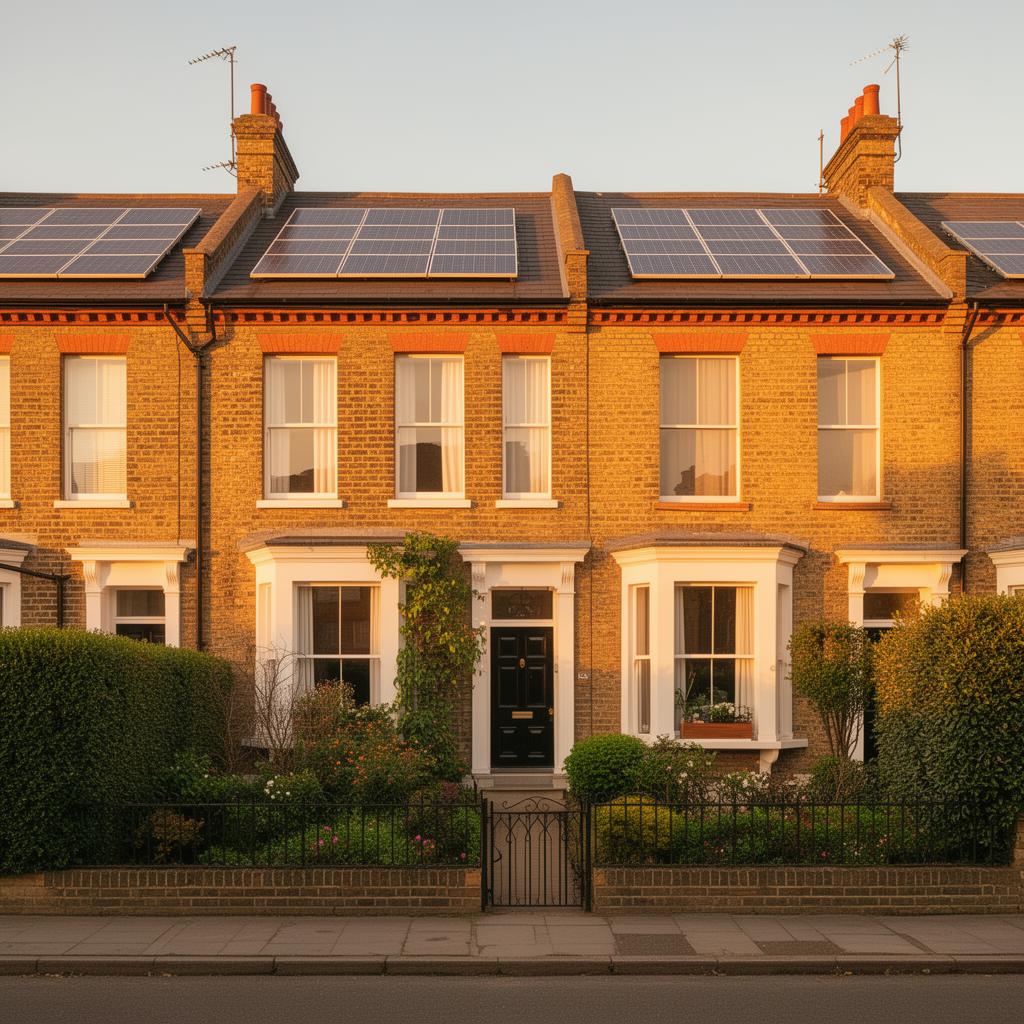
UK summers have become noticeably warmer over the past decade, with Lancashire recording temperatures above 30 degrees Celsius in four of the last five summers. Sales of portable air conditioning units and fans have surged, but running a typical portable AC unit costs between £0.30 and £0.50 per hour – adding £50-150 to your monthly electricity bill if used regularly. Here is how to keep your Lancashire home cool without the eye-watering energy costs.
How to Reduce Air Conditioning and Fan Costs in Summer
- Close curtains and blinds on south-facing windows — external shading or reflective blinds can reduce indoor temperatures by 5°C to 10°C without any electricity cost
- Use fans before switching to air conditioning — a ceiling fan costs around 1p per hour to run compared to 14p to 30p per hour for a portable air conditioning unit
- Set your AC to 24°C, not lower — every degree below 24°C increases electricity consumption by approximately 8% to 10%
- Ventilate at night — open windows after 9pm when the outside temperature drops, then close them in the morning to trap cooler air inside
- Switch off heat-generating appliances — ovens, tumble dryers and multiple monitors add significant heat to your home; use a slow cooker or air fryer and dry clothes outside instead
- Service your AC unit annually — dirty filters reduce efficiency by 15% to 25%, increasing running costs while delivering less cooling
Running a portable air conditioning unit for eight hours a day during a UK heatwave can add £50 to £90 per month to your electricity bill. In most UK homes, passive cooling measures such as shading, ventilation and reducing internal heat gains eliminate the need for mechanical cooling entirely. Where air conditioning is necessary — particularly in upper-floor flats — using it alongside a fan allows you to set a higher thermostat temperature while maintaining the same perceived comfort level.
Understanding Summer Cooling Costs
A standard portable air conditioning unit draws between 1,000 and 1,500 watts. At the current electricity rate of around 24p per kWh, running one for 8 hours a day costs roughly £2-3 daily. Over a warm month, that is £60-90 for a single room. A pedestal fan, by contrast, uses just 40-60 watts – costing about 1-2p per hour, or around £3 for the same month of use.
The difference is dramatic, but fans only circulate air rather than cooling it. When the temperature inside your home exceeds 35 degrees, fans become less effective because they are simply blowing hot air around. The key is to use a combination of strategies – some costing nothing at all – to keep your home naturally cool so that mechanical cooling becomes a last resort rather than a daily expense.
Free Cooling: Smart Ventilation Techniques
Lancashire’s climate offers a natural advantage: even during hot spells, nighttime temperatures typically drop to 12-18 degrees. Cross-ventilation after dark is one of the most effective free cooling methods available. Open windows on opposite sides of your home once the outdoor temperature drops below the indoor temperature, usually around 8-9pm in summer. Close everything up again by 8am before the sun starts heating the house.
This technique works particularly well in the through-terraced houses common across Bolton, Blackburn, and Rochdale, where front and back windows create a natural wind tunnel effect. In Manchester’s taller apartment buildings, upper floors benefit from stack effect ventilation – opening a lower window on the shaded side and a higher window or vent on the opposite side creates a chimney-like airflow.
If security is a concern with leaving windows open at night, window restrictors (around £5-10 each) allow ventilation while preventing the window from opening wide enough for entry. Alternatively, secure window ventilation locks are available for most window types and cost under £15 per window.
Blocking Heat Before It Enters
Prevention is far cheaper than cure when it comes to summer heat. South and west-facing windows are the biggest culprits for solar heat gain in Lancashire homes. External shading is roughly three times more effective than internal blinds because it stops the heat before it enters through the glass.
Options for external shading include awnings (£200-500 per window), external shutters (£300-800 per window), or even something as simple as a carefully positioned parasol on a balcony. For a budget option, reflective window film costs around £10-20 per window and can reduce solar heat gain by up to 80%. It is easy to apply and can be removed at the end of summer if you want to maximise light during the darker months.
Internally, blackout blinds or curtains with a white or reflective backing are the next best option. Close them on sun-facing windows during the hottest part of the day (typically noon to 5pm during summer). This alone can reduce room temperature by 3-5 degrees on a hot day. In a south-facing living room of a semi in Leyland or Penwortham, this simple step could save you from reaching for the AC unit at all.
Choosing the Right Fan for Maximum Efficiency
If you do need mechanical cooling, choosing the right fan makes a significant difference to both comfort and cost. Tower fans typically use 40-60 watts and distribute air across a wider area than pedestal fans. Ceiling fans are even more efficient at 30-50 watts and are increasingly popular in Lancashire homes, particularly in open-plan kitchen-diners where they can keep an entire living area comfortable.
A simple trick to boost fan effectiveness: place a shallow tray of ice or a frozen water bottle in front of the fan. As air passes over the ice, it cools noticeably. This DIY approach creates a basic evaporative cooling effect at a fraction of the cost of running an AC unit. In the drier conditions typical of summer in the M, BL, and PR postcode areas, evaporative cooling works particularly well.
For bedrooms, consider a fan with a timer function so it runs for the first hour or two as you fall asleep, then switches off. Most people do not need cooling once they have fallen asleep and the nighttime temperatures drop. A decent timer fan costs from £25-50 and uses minimal electricity.
When Air Conditioning Makes Sense
There are situations where air conditioning is the right call, and choosing the right type matters enormously for energy costs. Portable AC units are the least efficient option but require no installation. Split system AC units (wall-mounted, like you see in hotels) are far more efficient, with modern inverter models using 40-60% less electricity than portable units for the same cooling output.
If you already have an air source heat pump, you may already have air conditioning built in. Many air source heat pump models offer reversible operation, providing cooling in summer and heating in winter. The cooling function is extremely efficient, typically using even less electricity than purpose-built AC systems. If you are considering a heat pump for your Lancashire home, the ability to cool in summer is an increasingly valuable bonus.
For those who do use portable or split AC, set the thermostat to 24-25 degrees rather than the tempting 18-20 degrees. Every degree lower increases energy consumption by roughly 8-10%. Keeping a reasonable temperature gap between indoors and outdoors also reduces the risk of the temperature shock that can cause headaches and fatigue.
Reducing Internal Heat Sources
Your home generates more heat than you might realise. Ovens, hobs, tumble dryers, dishwashers, and even computers all pump heat into your living space. During hot weather, consider these adjustments to reduce internal heat gain.
- Cook outside on a barbecue or use a microwave instead of the oven – an oven running at 200 degrees for an hour adds significant heat to your kitchen
- Run the dishwasher and washing machine during the evening or night when you can open windows to vent the heat
- Hang laundry outside instead of using the tumble dryer – you save around 60p per cycle on electricity too
- Switch to LED bulbs if you have not already – incandescent bulbs convert 90% of their energy to heat rather than light
- Turn off computers and games consoles when not in use rather than leaving them on standby
Insulation Works Both Ways
Most Lancashire homeowners think of insulation as a winter investment, but it works equally well in summer by keeping heat out. Loft insulation is particularly effective because the roof space can reach 50-60 degrees on a hot day, radiating heat down into the rooms below. A well-insulated loft (at least 270mm of mineral wool) dramatically reduces this heat transfer.
If your loft insulation is below 100mm – common in older properties across Wigan, Leigh, and parts of Manchester – topping it up to the recommended 270mm will improve your comfort in both summer and winter. Through the government energy efficiency scheme or government insulation scheme, many Lancashire homeowners can get loft insulation topped up for free.
Solar Panels: Generate While You Cool
Here is the clever bit about summer electricity use: solar panels produce the most energy during the same hours when you need the most cooling. A 4kW solar system on a south-facing Lancashire roof will generate 15-20 kWh on a sunny summer day – more than enough to power fans, a portable AC unit, and your other household appliances with energy to spare.
If you have solar panels with a battery, you can store excess daytime generation and use it to run a fan or AC unit through the evening and night without paying a penny for grid electricity. The economics of solar are strongest in summer precisely because generation peaks align with cooling demand. With 0% VAT still in place, a 4kW system typically costs around £5,000-6,000 installed.
Is a portable air conditioning unit worth buying for Lancashire?
For most Lancashire homes, a portable AC unit is overkill for all but the hottest days. You might use it seriously for 2-4 weeks per year, costing £60-150 in electricity. A combination of good ventilation, fans, reflective blinds, and sensible habits will keep most homes comfortable for the rest of the summer. If you do buy one, choose an A-rated unit with inverter technology for the lowest running costs.
Do ceiling fans use a lot of electricity?
No. A standard ceiling fan uses around 30-50 watts, costing roughly 1p per hour to run. Even running a ceiling fan for 12 hours a day throughout summer would add only about £10-15 to your annual electricity bill. Ceiling fans are one of the most cost-effective cooling options available and work well in the larger rooms and open-plan spaces increasingly common in Lancashire homes.
Should I keep my windows open or closed during a heatwave?
It depends on the time of day. Keep windows closed and blinds drawn during the hottest hours (roughly 10am to 6pm) when the outside air temperature is higher than inside. Open windows wide once the outside temperature drops below the inside temperature, usually from early evening. This cycle of sealing up during the day and ventilating at night is the single most effective free cooling strategy for Lancashire homes.
See what these numbers mean for your home
Free instant estimate — costs, savings, payback and grants for your region.

Related Articles
7 Quick Wins to Cut Your Energy Bills This Summer
Summer might seem like the wrong time to think about energy bills, but it is actually when the smartest homeowners make changes. Lower heating demand means more of your spending…
22 May 2026
The Best Time of Year to Replace Your Boiler (and How to Get the Best Price)
Find out why summer is the best time to replace your boiler in the UK, how to negotiate better prices and what to check before committing to an installation.
9 May 2026
Electric Heating Options Explained: Panel Heaters, Storage Heaters and Infrared
Compare electric heating options for UK homes including modern storage heaters, ceramic panel heaters and infrared panels with running cost breakdowns.
7 May 2026