Energy Price Cap January 2025: What Lancashire Households Will Pay
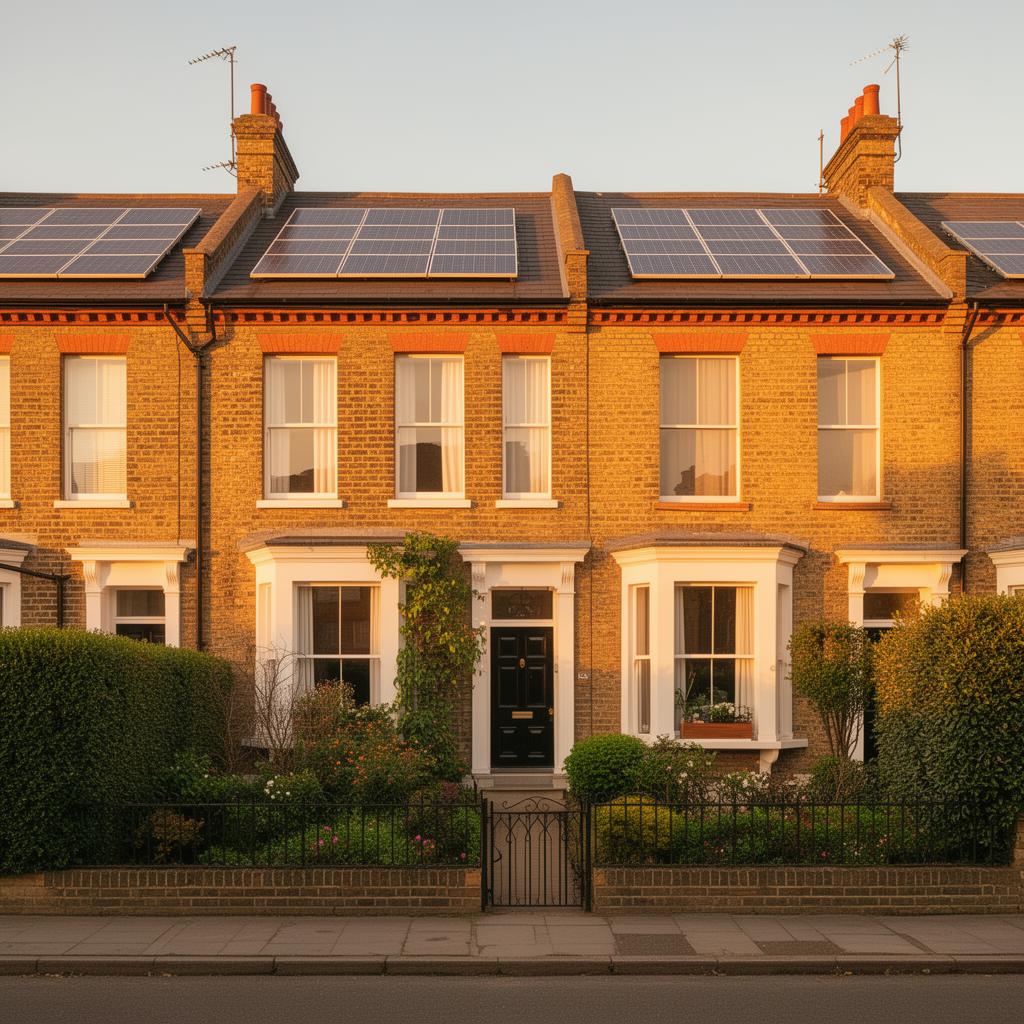
The energy regulator energy price cap is set to increase from January 2025, pushing typical dual-fuel household bills up to approximately £1,738 per year – a rise of around £21 per quarter compared to the Q4 2024 level. For Lancashire households, where average energy consumption tends to be higher than the national average due to older housing stock and colder temperatures, real bills will often exceed this typical figure. Homes in poorly insulated terraces across East Lancashire could see annual bills of £2,000 to £2,400, while well-insulated modern homes might stay below £1,500.
What Is the Energy Price Cap from January 2025?
The Ofgem energy price cap from January 2025 sets the typical annual dual-fuel household bill at £1,738. This equates to an electricity unit rate of 24.5p per kWh and a gas unit rate of 6.76p per kWh, plus daily standing charges of 61.64p for electricity and 31.65p for gas. These figures represent what a household with typical consumption would pay — actual bills depend on how much energy you use.
For Lancashire households, where average gas consumption tends to be higher than the national average due to older housing stock and colder winters, actual bills are often £100 to £300 above the cap figure. Reducing consumption through insulation, smart heating controls, and draught-proofing remains the most effective way to keep bills closer to or below the cap level.
What the Price Cap Actually Means
The price cap is widely misunderstood. It does not cap total bills – it caps the maximum unit rates and standing charges that suppliers can set for standard variable tariff customers. If you use more energy than the “typical” household (which the energy regulator defines as using 11,500 kWh of gas and 2,700 kWh of electricity per year), your bill will be higher than the headline cap figure.
Under the January 2025 cap, the maximum electricity unit rate is approximately 24.5p per kWh and the gas unit rate approximately 6.76p per kWh. Standing charges remain around 61p per day for electricity and 31p per day for gas. These are the rates that matter for calculating your actual costs – the headline £1,738 figure is just an illustration based on average consumption.
For Lancashire specifically, several factors push typical consumption above the national average. The region experiences colder winters than southern England, with average heating degree days (a measure of heating demand) roughly 10% to 15% higher than London. Older housing stock across Burnley, Pendle, Hyndburn and Rossendale means higher heat loss and more gas consumption. And the prevalence of larger, older boilers with lower efficiency ratings means more gas is burned per unit of useful heat delivered.
How Lancashire Bills Compare to the National Average
Based on regional consumption data, here is what different Lancashire household types can expect to pay under the January 2025 cap:
A well-insulated two-bedroom flat in central Preston or Lancaster with a modern combi boiler: approximately £1,200 to £1,500 per year. These smaller, newer properties use less energy than the national average and benefit from shared walls with neighbouring flats.
A three-bedroom semi in Chorley or Blackburn with cavity wall insulation and double glazing: approximately £1,600 to £1,900 per year. This is close to the national average and represents the most common household scenario in Lancashire.
An uninsulated Victorian terrace in Burnley, Nelson or Colne with an older boiler: approximately £2,000 to £2,400 per year. High gas consumption due to solid walls, draughts and an inefficient heating system pushes these homes well above the price cap headline figure.
A four-bedroom detached in the Ribble Valley or Fylde with moderate insulation: approximately £1,800 to £2,200 per year. Larger floor areas and more external wall surface mean higher heating demand, even with reasonable insulation levels.
Why the Price Cap Is Rising
The increase reflects movements in wholesale gas prices on international markets. The UK imports a significant proportion of its gas, making domestic prices sensitive to global supply and demand. Factors including reduced pipeline supplies from Norway for maintenance, competition for LNG (liquefied natural gas) cargoes from Asian markets, and geopolitical uncertainties all contribute to wholesale price movements.
Network costs, which pay for maintaining the gas and electricity grid infrastructure, also feed into the cap calculation. These have been rising as the energy system transitions to accommodate more renewable generation, smart meters and electric vehicle charging. Lancashire is seeing significant grid investment as new solar farms, onshore wind developments and the proposed Morecambe Bay tidal project require upgraded connections.
The energy supplier margin built into the cap has also increased slightly, reflecting the higher cost of capital and the financial pressures that caused multiple supplier failures in 2021 and 2022. the energy regulator has adjusted the margin to help ensure supplier stability, though this adds to consumer bills.
How to Reduce Your Bills Below the Cap
The price cap applies only to standard variable tariffs. Many fixed-rate deals available in Lancashire are currently priced at or below the cap level, making them worth considering if you want price certainty for the next 12 to 24 months. Use comparison sites to check available deals, or contact a broker for the best rates.
Reducing consumption is the most reliable way to lower bills regardless of tariff. For Lancashire homes, the biggest opportunities are:
- Insulating your home – cavity wall insulation may save an estimated £200 to £400 per year; loft insulation may save an estimated £100 to £250 per year. Both may be available free through government energy efficiency schemes or government insulation scheme
- Upgrading your boiler – replacing a G-rated boiler with an A-rated condensing model may save an estimated £200 to £350 per year
- Fitting a smart thermostat – proper heating controls save 10% to 15% on heating bills, or £100 to £200 per year
- Reducing hot water waste – shorter showers, lower cylinder temperature, and pipe insulation save an estimated £50 to £100 per year
- Switching to LED lighting throughout – may save an estimated £40 to £60 per year for a typical Lancashire home still using some halogen or CFL bulbs
Combining these measures can reduce a typical Lancashire household’s energy consumption by 30% to 50%, potentially saving an estimated £500 to £900 per year. Even implementing just the cheapest measures (thermostat adjustment, draught-proofing, LED bulbs) can save an estimated £150 to £300 with minimal outlay.
Support for Lancashire Households Struggling with Bills
If you are struggling to pay your energy bills, several support mechanisms are available. The winter energy discount scheme provides a discount off electricity bills (currently £150, subject to change) for eligible low-income households and is applied automatically for most pension top-up benefits recipients. Contact your supplier to check eligibility if you are on a low income but do not receive pension top-up benefits.
winter fuel support payments of £200 to £300 continue for eligible older people, though recent changes have restricted eligibility to those receiving pension top-up benefits or certain other means-tested benefits. If you think you might qualify for pension top-up benefits but have not applied, it is worth checking – pension top-up benefits also unlocks other benefits including free TV licences, council tax reduction and cold weather support payments.
Lancashire’s local councils and charitable organisations offer additional support. The local household support (distributed through borough councils) can help with energy bill payments. The energy company trust funds provides grants to customers of any supplier who are in financial hardship. your local advisory service offers free energy debt guidance and can negotiate payment plans with suppliers on your behalf.
Priority Services Register membership is available from all energy suppliers for vulnerable customers, including those with disabilities, chronic illnesses, mental health conditions, or those over 65. Registration provides additional support during power cuts, protection from disconnection, and access to dedicated customer service lines. Contact your supplier to join.
Looking Ahead: What Happens After January 2025?
the energy regulator reviews the price cap quarterly, with the next revision taking effect in April 2025. Current wholesale price forecasts suggest the cap may decrease slightly in Q2 2025 as winter demand eases and gas storage levels recover. However, predictions beyond one quarter are unreliable, and Lancashire households should plan for continued price volatility.
The long-term trend points towards higher electricity costs and lower gas costs as the energy system decarbonises. For Lancashire homeowners, this means that investments in insulation (which reduce both gas and electricity consumption) and heat pumps (which use electricity but at much higher efficiency than gas boilers) are likely to become more financially attractive over time. The homes that will be cheapest to run in 2030 are those being insulated and upgraded now.
Will my energy bill be exactly £1,738 per year?
No. The £1,738 figure is based on typical consumption of 11,500 kWh of gas and 2,700 kWh of electricity. Your actual bill depends on how much energy you use. Larger, older Lancashire homes typically use more and pay more. Smaller, well-insulated homes may pay significantly less. Check your smart meter or recent bills to understand your actual consumption.
Should I fix my energy tariff now?
Fixed-rate deals currently available are generally priced close to or slightly below the price cap, offering price certainty for 12 to 24 months. If you value predictability and are concerned about further increases, fixing can be worthwhile. Use a comparison site to check whether the best fixed deal beats your current standard variable rate. Remember that leaving a fixed deal early usually incurs exit fees of £30 to £50 per fuel.
What help is available for Lancashire residents who cannot afford energy bills?
Options include the winter energy discount scheme (£150 for eligible households), winter fuel support payment (for qualifying older people), local household support (through your borough council), energy company trust funds (grants for any supplier’s customers), and your local advisory service energy debt guidance. government energy efficiency schemes and government insulation scheme can also fund insulation improvements to reduce ongoing costs. Contact your council or your local advisory service for help navigating available support.
See what these numbers mean for your home
Free instant estimate — costs, savings, payback and grants for your region.

Related Articles
What the 2026 Future Homes Standard Means for Existing Homeowners
The Future Homes Standard is the biggest change to building regulations in England in a generation. It is designed to ensure new homes produce dramatically fewer carbon emissions. But if…
3 May 2026
Prepayment Meter Rights: Protections Against Forced Installation and Self-Disconnection
Prepayment meter rights UK explained. Learn protections against forced installation, what to do if you cannot top up, emergency credit options and how to switch away from prepay.
12 April 2026 Fuel Poverty in the UK: Definition, Statistics and What Help Is Available
Fuel poverty UK affects 9 million households. Learn the LILEE definition, who is most at risk, the funding gap, and every support scheme available to help you heat your home.
11 April 2026