Energy Company Obligation Explained: Which Suppliers Offer What
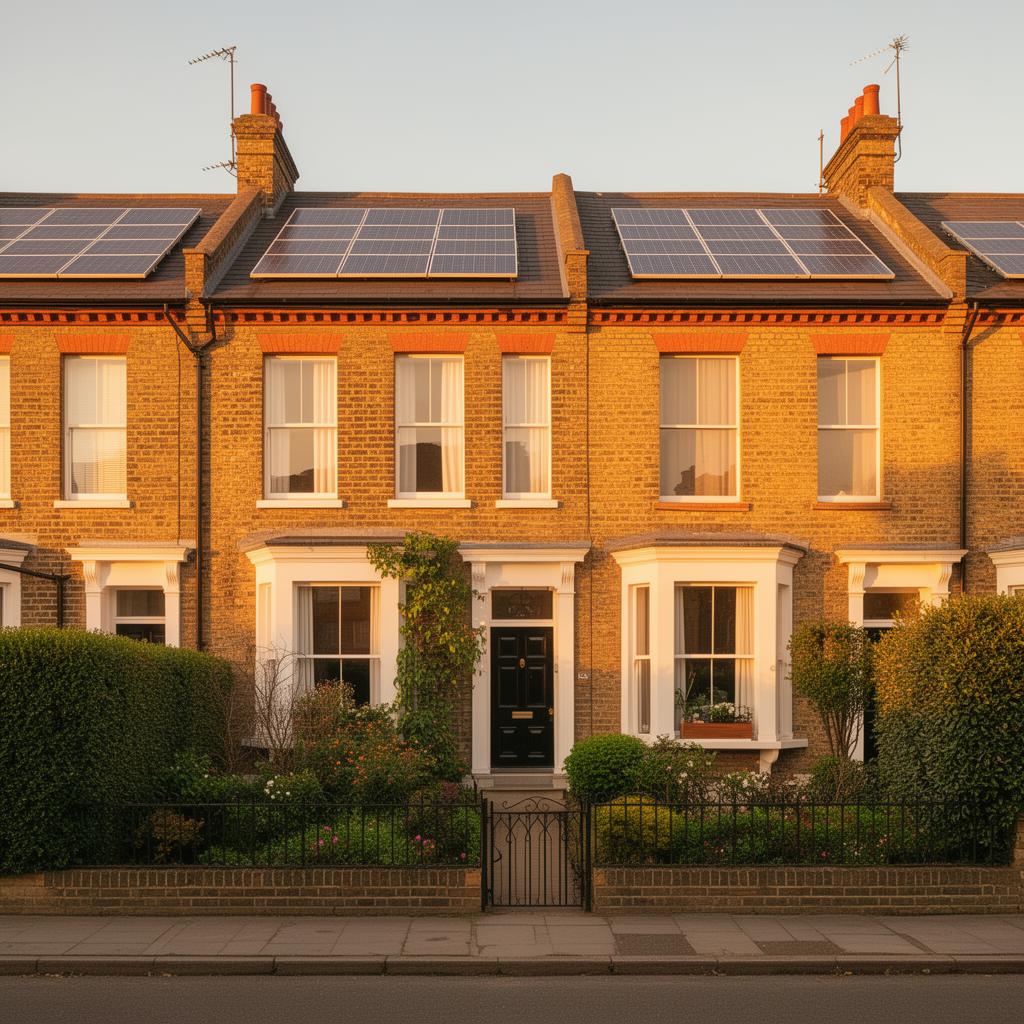
The government energy efficiency scheme requires large energy suppliers to fund energy efficiency improvements for eligible households. But not all suppliers deliver the same measures, and knowing which supplier offers what can help Lancashire homeowners get the right upgrade for their property. Between 2023 and 2026, energy suppliers are collectively required to deliver improvements worth approximately £4 billion across the UK. Here is how the scheme works, which suppliers are involved, and what each one offers in the Lancashire and Greater Manchester area.
What Is the Energy Company Obligation?
The Energy Company Obligation (ECO) is a UK government scheme that requires large energy suppliers to fund energy efficiency improvements in low-income and fuel-poor households. Currently in its fourth phase (ECO4), the scheme runs until December 2026 and covers measures including loft insulation, cavity wall insulation, solid wall insulation, boiler replacements and heating controls — all provided at no cost to qualifying households.
The six largest UK energy suppliers — British Gas, EDF, E.ON, OVO, Scottish Power and Octopus Energy — are all ECO-obligated and must deliver a set number of home improvements each year. Eligibility is based on receiving certain means-tested benefits or being referred through your council’s ECO Flex scheme. Each supplier works with approved installers in Lancashire who carry out the work, so you do not deal with the supplier directly for the installation.
How government energy efficiency schemes Funding Works
government energy efficiency schemes is not a traditional government grant paid from public funds. Instead, the energy regulator sets obligations on energy suppliers with more than 150,000 domestic customers, requiring them to achieve a certain amount of carbon and energy bill savings by installing measures in qualifying homes. The suppliers fund the work and recover the cost through a small addition to everyone’s energy bills – roughly £30 to £40 per household per year.
Each supplier can choose how to meet their obligation. Some deliver measures directly through their own installation teams. Others contract with third-party installers who find eligible households and carry out the work. This means the availability of specific measures varies by supplier and by the installer partnerships they have in each region.
Crucially, you do not have to be a customer of a particular supplier to benefit from their government energy efficiency schemes funding. A British Gas customer can receive measures funded by EDF, and vice versa. The funding follows the eligible property, not the energy account.
Which Energy Suppliers Have government energy efficiency schemes Obligations?
The following suppliers have government energy efficiency schemes obligations for the 2023-2026 period, listed roughly in order of their obligation size:
- British Gas (Centrica) – the largest obligation, roughly 25% of the total
- EDF Energy – approximately 15%
- E.ON/E.ON Next – approximately 13%
- OVO Energy (including SSE customers) – approximately 15%
- Octopus Energy – approximately 10%
- Scottish Power – approximately 10%
- Utilita, Shell Energy, Bulb (now Octopus) and others – the remaining 12%
The larger the supplier, the more measures they need to deliver and the more installer partnerships they maintain across Lancashire and Greater Manchester. This generally means more availability and faster processing for customers of the bigger companies, though smaller suppliers sometimes offer a more personal service.
What Each Major Supplier Offers in Lancashire
Here is a breakdown of what the major suppliers are currently delivering in the Lancashire and Greater Manchester area. Note that availability changes over time as suppliers adjust their delivery strategies and installer partnerships.
British Gas operates the largest government energy efficiency schemes programme nationally and has multiple installer partners across Lancashire. Through its in-house team and contracted partners, it currently delivers cavity wall insulation, loft insulation, room-in-roof insulation, solid wall insulation (both internal and external), first-time central heating, boiler replacements for broken systems, and air source heat pumps for eligible homes. British Gas also runs the energy company trust funds, which provides additional grants for customers in financial hardship.
EDF Energy delivers a broad range of measures through regional installer partnerships. In Lancashire, their partners currently offer cavity wall and loft insulation, heating system upgrades, and park home insulation. EDF has been particularly active in delivering measures to social housing through partnerships with housing associations across Greater Manchester.
OVO Energy (which absorbed SSE’s domestic customers) delivers government energy efficiency schemes measures through a network of regional installers. In the North West, OVO’s partners offer cavity wall insulation, loft insulation, heating controls, and boiler replacements. OVO has also been involved in innovative measures like smart heating controls and hybrid heating systems in pilot areas.
E.ON delivers measures through both direct contracts and through its partnership with the local authority network. In Lancashire, E.ON has been involved in area-based schemes where entire streets or estates are targeted for improvement. This approach has been used in parts of Blackburn, Burnley and Preston where clusters of similar properties can be treated efficiently.
Octopus Energy, despite being a newer supplier, has one of the more innovative government energy efficiency schemes approaches. They partner with specialists to deliver heat pump installations alongside insulation measures, creating whole-house improvement packages. Their Lancashire delivery has focused on air source heat pump installations in homes that already have reasonable insulation levels.
How to Access government energy efficiency schemes Measures in Lancashire
There are three main routes to accessing government energy efficiency schemes funding:
Contact your energy supplier directly and ask about government energy efficiency schemes eligibility. They will run a benefits check and property assessment. If you qualify, they will arrange a survey and installation through their qualified contractor network. This is the most straightforward route but can be slow, with some suppliers reporting wait times of three to six months from initial enquiry to installation.
Contact a qualified installer who delivers government energy efficiency schemes measures. Many installers operating in Lancashire actively look for eligible households and can often move faster than the supplier-direct route because they work with multiple suppliers and can place your application with whichever has capacity. Search the quality assurance scheme website for ECO-qualified installers in your postcode area.
Contact your local council. Several Lancashire borough councils operate referral services that connect eligible residents with government energy efficiency schemes installers. Blackburn with Darwen, Burnley, Hyndburn and Preston all have energy guidance services that can check your eligibility and recommend qualified installers. The local energy support programmes programme is a multi-council partnership that coordinates government energy efficiency scheme delivery across the county.
government energy efficiency schemes Eligibility: Who Qualifies?
The main eligibility criteria for government energy efficiency schemes are based on receiving qualifying benefits and living in a property with poor energy performance. You qualify if you receive any of the following: Universal Credit, pension top-up benefits Guarantee Credit, income support benefits, income-based JSA, income-related ESA, Child Tax Credit (with income under £16,480), Working Tax Credit (with income under £16,480), or Housing Benefit.
Your property must have an EPC rating of D, E, F or G to qualify for most measures, though some exceptions apply. Private homeowners, private tenants (with landlord permission) and social housing tenants can all benefit, though the available measures may differ.
If you do not receive qualifying benefits, the Local Authority Flexible Eligibility (LA Flex) route may still allow access. Your council can declare you eligible based on criteria such as low household income, living in a fuel-poor area, or having health conditions worsened by cold housing. Several Lancashire councils actively use LA Flex, so contact your borough council even if you do not receive the standard qualifying benefits.
What government energy efficiency schemes Does Not Cover
government energy efficiency schemes has specific rules about which measures can be installed and in which order. The scheme prioritises a “fabric first” approach, meaning insulation measures should be installed before or alongside heating upgrades. You cannot receive a new boiler under government energy efficiency schemes without the property also having adequate insulation, or having insulation installed as part of the same project.
government energy efficiency schemes does not fund solar panels, battery storage, EV chargers, or home energy management systems. It does not cover window or door replacements as standalone measures (though these may be included as part of a whole-house package in certain circumstances). It does not fund work on properties that already have an EPC rating of C or above, with limited exceptions.
The scheme also has spending caps per property. The maximum government energy efficiency schemes funding per home depends on the starting EPC rating, the property type, and the measures installed, but typically ranges from £5,000 to £15,000 for a comprehensive package. Higher-cost measures like solid wall insulation are more likely to be funded for homes with the lowest starting EPC ratings.
Do I have to be a customer of a specific energy supplier to get government energy efficiency schemes?
No. government energy efficiency schemes funding is not linked to your energy supplier. You can receive measures funded by any obligated supplier, regardless of who supplies your gas and electricity. However, contacting your own supplier first is often the easiest starting point, as they can check your eligibility through their own systems quickly.
How long does the government energy efficiency schemes process take from application to installation?
Typical timescales are six to twelve weeks from initial enquiry to completed installation for straightforward measures like cavity wall or loft insulation. More complex measures like solid wall insulation or heating system replacements can take three to six months. Working with a local installer who has existing supplier partnerships can sometimes speed up the process.
Can I get government energy efficiency schemes and government insulation scheme measures at the same time?
Yes. government energy efficiency schemes and the government insulation scheme (government insulation scheme) are separate but complementary programmes. A household might receive loft insulation through government insulation scheme and a heating system upgrade through government energy efficiency schemes. Your installer or energy supplier can advise on the best combination for your situation, as some measures are more cost-effectively funded through one scheme than the other.
See what these numbers mean for your home
Free instant estimate — costs, savings, payback and grants for your region.

Related Articles
Heat Pump Grant Rises to £9,000 for Oil and LPG Homes From 21 July 2026
The standard Boiler Upgrade Scheme grant stays at £7,500. From 21 July 2026 to 31 March 2027, homes currently heated by oil or LPG get an increased £9,000 grant. Corrected…
10 June 2026
The Warm Homes Plan 2026: What Every UK Homeowner Needs to Know
The UK government’s Warm Homes Plan is the biggest energy efficiency programme in British history. Launched in January 2026 with up to £15 billion in funding, it aims to upgrade…
5 June 2026
ECO4 Scheme 2026: Who Qualifies, What’s Covered and How to Apply
The ECO4 scheme runs until December 2026, offering fully funded insulation and heating upgrades for eligible UK households. Find out if you qualify through benefits or the ECO4 Flex route,…
11 May 2026