Solar Panel Insurance: What Lancashire Homeowners Need to Know
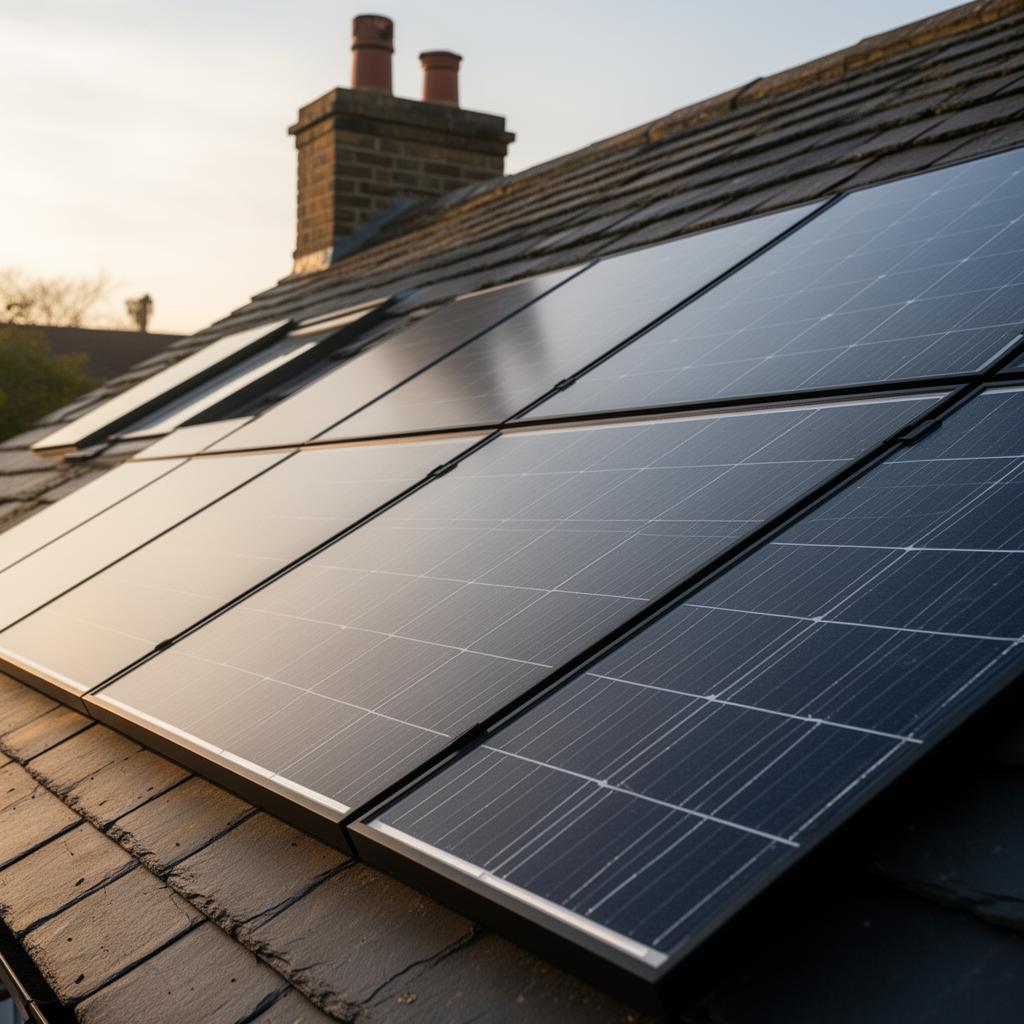
Most standard home insurance policies cover solar panels as part of the building’s structure, but failing to notify your insurer about the installation could invalidate your entire policy. With a typical 4kW solar system worth £5,000 to £7,000 and Lancashire’s exposure to Atlantic storms bringing high winds and heavy rain, proper insurance coverage is not optional – it is essential. Here is exactly what your policy needs to cover, what to tell your insurer, and how to avoid the gaps that catch Lancashire homeowners out.
Do Solar Panels Need Separate Insurance?
Most standard home insurance policies cover roof-mounted solar panels as part of your building’s structure, so separate solar panel insurance is not usually necessary. However, you must notify your insurer that panels have been installed, as failure to declare the modification could invalidate your buildings cover. Some insurers charge an additional premium of £20 to £50 per year, while others include solar panels at no extra cost.
Solar panels in Lancashire face risks from storms, hail, and falling debris. Your buildings insurance should cover damage to the panels themselves, while public liability cover protects against damage if a panel or mounting bracket dislodges. Check that your policy covers the full replacement value of the system — a 4 kWp installation is worth £6,000 to £8,000. Battery storage systems may require a separate declaration as they are not always automatically included in buildings cover.
Does Home Insurance Automatically Cover Solar Panels?
In most cases, yes, but only if you tell your insurer they are there. Solar panels are classified as a permanent fixture of the building, similar to a conservatory or extension. This means they should be covered under your buildings insurance as standard. However, the critical requirement is that you inform your insurance provider about the installation. Failing to do so counts as a “material change” to your property that you did not disclose, which could give the insurer grounds to refuse any claim – not just solar-related ones.
When you contact your insurer, they will typically ask for the system size (in kW), the value of the installation, whether it is roof-mounted or ground-mounted, and the name of the installer. Some insurers ask whether the installer was qualified, which is why using a qualified installer matters beyond just qualifying for grants.
Most insurers do not increase premiums for a standard roof-mounted solar installation. Some may add a small loading of £10 to £30 per year. A few, particularly budget insurers, may exclude solar panels from their coverage or refer you to a specialist. If your current insurer will not cover your panels at a reasonable cost, shopping around usually resolves the issue – the major providers including Aviva, Direct Line, LV= and Zurich all cover solar panels as standard.
What Risks Do Solar Panels Face in Lancashire?
Lancashire’s climate and geography create specific risks for solar installations that your insurance should cover:
Storm damage is the most common claim. Lancashire sits in the path of Atlantic weather systems, and exposed locations along the Fylde coast, the Pennine foothills and the West Pennine Moors experience some of the highest wind speeds in England. Storms Ciaran, Isha and Jocelyn in recent years caused solar panel damage across the region, primarily from high winds loosening mounting brackets or lifting panels.
Falling debris, particularly from mature trees, accounts for a significant number of claims. Properties near wooded areas in the Ribble Valley, Forest of Bowland and the fringes of Bolton and Bury are most at risk. A falling branch can crack panel glass, damage mounting rails, or knock panels out of alignment.
Theft is less common but not unheard of. Rural properties with ground-mounted systems in areas around Clitheroe, Longridge and Garstang have been targeted. Roof-mounted panels are rarely stolen because of the difficulty and visibility of removing them, but ground-mounted arrays and battery storage units in outbuildings are more vulnerable.
Accidental damage covers scenarios like a football hitting a panel, a tradesperson dropping a tool onto the array while working on the roof, or damage during gutter cleaning. These incidents are surprisingly common and are covered under most standard buildings policies.
What Your Insurance Should Cover
Check your policy specifically for the following elements of coverage:
- The panels themselves – replacement cost for damaged or destroyed panels at current market prices, not the price you originally paid
- Mounting system and fixings – the rails, clamps and roof attachments
- Inverter and electrical components – the inverter, isolators, cabling and generation meter
- Battery storage – if you have a home battery, confirm it is included (some policies require separate notification)
- Scaffolding and access costs – replacing a single panel might cost £200 for the panel but £600 for scaffolding to reach it
- Loss of income – if you receive export tariff payments, some policies cover loss of export income while the system is being repaired
- Roof damage caused by solar panel failure – if a panel mounting fails and damages your roof tiles, the roof repair should be covered
The total insured value should reflect the full replacement cost of the system, including labour and scaffolding. For a standard 4kW system, this is typically £6,000 to £9,000. For larger systems with battery storage, it could be £12,000 to £20,000. Make sure your buildings insurance sum insured is high enough to cover the solar system on top of the property’s rebuild cost.
Specialist Solar Panel Insurance
If your home insurer will not cover your solar panels adequately, or if you want more comprehensive coverage, specialist solar insurance policies are available. These are particularly relevant for larger domestic systems (above 6kW), commercial installations, and ground-mounted arrays.
Specialist policies typically offer broader coverage including mechanical breakdown, electrical failure, inverter replacement, performance guarantee insurance (paying out if the system underperforms due to a covered fault), and comprehensive loss-of-income protection. Premiums for residential systems range from £50 to £150 per year depending on the system size and value.
For most Lancashire homeowners with a standard roof-mounted system, specialist insurance is unnecessary if their home policy provides adequate cover. It becomes worth considering if you have a high-value system (above £10,000), ground-mounted panels, or if your home insurer’s coverage has significant gaps.
What to Do If You Need to Make a Claim
If your solar panels are damaged, follow these steps for a smooth claims process. First, document the damage with photographs from multiple angles, including the panels, the mounting system, and any associated roof damage. Note the date and weather conditions that caused the damage.
Contact your insurer as soon as possible. Most policies require notification within 30 days of the incident. For storm damage, your insurer may want to confirm the event through weather records, so noting the specific date is important.
Get a repair quote from a qualified solar installer, not just a general builder. Solar panel repairs require specific expertise, and using an unqualified tradesperson can void your panel manufacturer’s warranty. Your original installer is the best first contact, but any qualified company can assess and quote for repairs.
Be aware that your policy excess applies. For most home insurance policies, the excess is £100 to £500. If the repair cost is close to or below your excess, it may not be worth claiming, as the claim could affect your future premiums and no-claims discount.
Warranties vs Insurance: Understanding the Difference
Your solar panels come with manufacturer warranties (typically 10 to 25 years for product defects and 25 years for performance degradation) and your installer should provide a workmanship warranty (typically 5 to 10 years). These warranties cover faults and defects but do not cover damage from external causes like storms, accidents or theft. That is what insurance is for.
If your panels stop working due to a manufacturing defect, contact your installer or the manufacturer to claim under warranty. If they are damaged by a storm, contact your insurer. If the mounting fails due to poor installation and causes both panel and roof damage, the installer’s workmanship warranty and your insurance may both be relevant – the warranty for the installation defect and the insurance for the consequential damage.
qualified installations come with a quality-assured warranty that provides additional protection if the installer goes out of business. This is not insurance but offers a safety net for workmanship issues that would otherwise be unresolvable.
Do I have to tell my insurer about solar panels?
Yes. Failing to inform your insurer about solar panel installation is a material non-disclosure that could invalidate your entire buildings insurance policy. Contact your insurer before or immediately after installation. Most insurers cover solar panels at no extra cost or with a small premium increase of £10 to £30 per year.
Does solar panel insurance cover battery storage?
Battery storage is not automatically covered by all home insurance policies. When you notify your insurer about your solar installation, specifically mention the battery system, its value and its location (indoor or outdoor). Some insurers classify batteries as contents rather than buildings, which affects coverage. Confirm the battery is included in your buildings sum insured.
What should I do if my solar panels are damaged in a storm?
Document the damage with photographs, note the date and weather conditions, and contact your insurer within 30 days. Get a repair quote from a qualified installer rather than a general builder. Do not attempt repairs yourself, as this could void warranties. If the damage is minor and close to your policy excess, weigh up whether claiming is worthwhile given the potential impact on future premiums.
See what these numbers mean for your home
Free instant estimate — costs, savings, payback and grants for your region.

Related Articles
Is Solar Battery Storage Worth It in 2026?
Solar panels are now a common sight on UK rooftops, but the real game-changer in 2026 is battery storage. A home battery lets you store the electricity your panels generate…
2 June 2026
Why Spring Is the Perfect Time to Install Solar Panels
If you have been thinking about solar panels for a while but never quite pulled the trigger, spring is the moment to act. The combination of lengthening days, mild installation…
23 April 2026
How the Energy Price Cap Affects Heat Pump and Solar Panel Payback
See how the energy price cap affects heat pump and solar panel payback periods. Real calculations using current UK unit rates show why investing now locks in stronger returns.
15 April 2026