Optimal Heating Schedules for Different Lancashire House Types
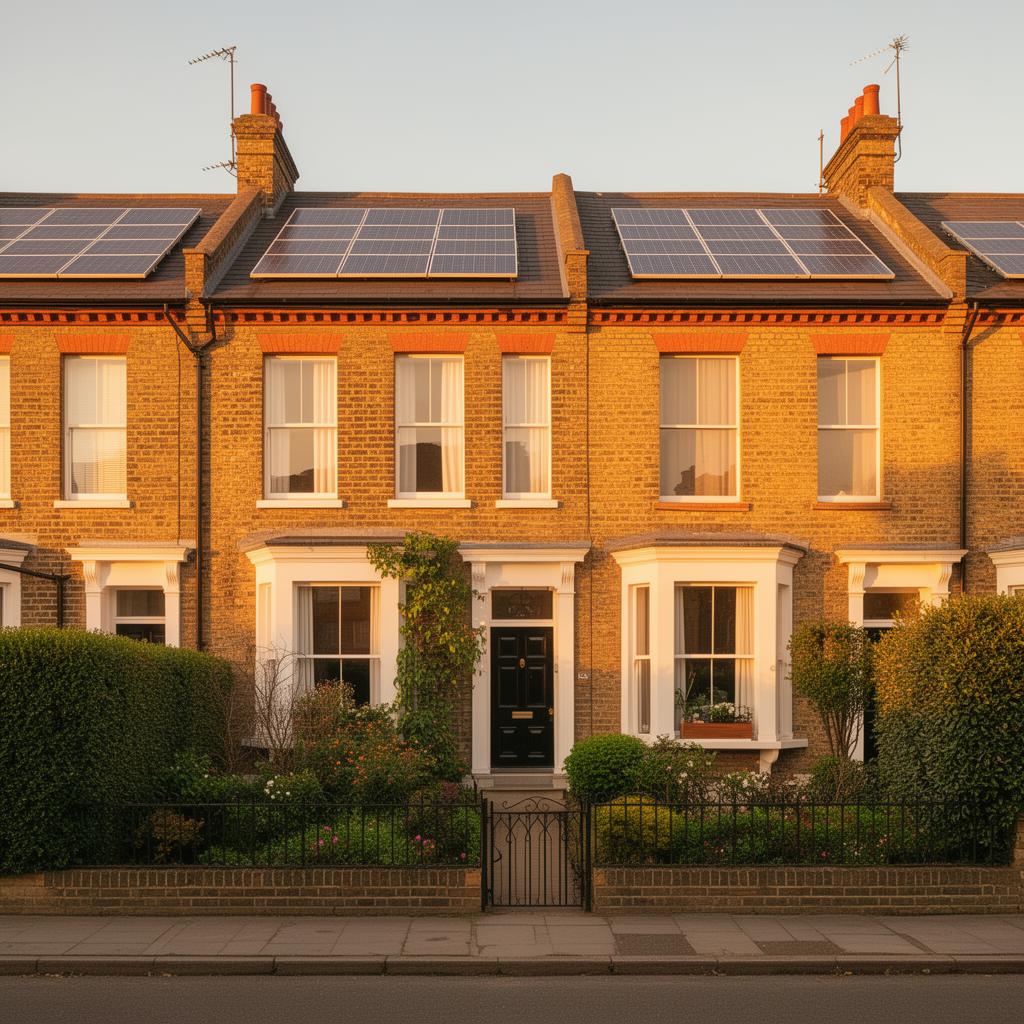
Setting the right heating schedule for your specific house type can save an estimated £150 to £300 per year without sacrificing comfort. A stone terrace in Colne needs a completely different approach to a 1970s detached in Fulwood or a new-build in Buckshaw Village. Lancashire’s mix of housing – from centuries-old cottages to modern estates – means there is no single “best” schedule. Here is what works for the most common property types across the county, based on how quickly they heat up, how well they retain warmth, and the quirks of their construction.
What Is the Best Heating Schedule for Your Home?
- Victorian terraced house — heat from 06:00 to 08:00 and 16:30 to 22:00 at 19°C; stone walls lose heat quickly, so avoid long off periods in winter
- 1930s semi-detached — heat from 06:30 to 08:30 and 16:00 to 22:30 at 20°C; cavity walls retain heat better, allowing slightly longer gaps between heating periods
- Post-war council house — heat from 06:00 to 08:00 and 17:00 to 22:00 at 19°C; if insulated through ECO, extend off periods as heat retention improves significantly
- Modern detached (post-2000) — heat from 06:30 to 08:00 and 17:00 to 21:30 at 19–20°C; good insulation means shorter heating periods are sufficient
- Heat pump homes — run at a constant lower temperature of 18–20°C around the clock; heat pumps are most efficient when avoiding frequent on-off cycling
- Work-from-home adjustment — extend morning heating to 12:00, reduce afternoon start to 15:30, and lower temperature by 1°C to balance comfort and cost
The ideal heating schedule depends on your home’s insulation level, thermal mass, and heating system type. A well-insulated home with a gas boiler benefits from timed heating with clear off periods, while heat pump homes should maintain a steadier, lower temperature. Reducing your thermostat by just 1°C saves approximately 10 percent on heating costs — around £80 to £130 per year for a typical Lancashire household.
Why House Type Matters for Heating Schedules
The key factor is thermal mass and insulation. A thick stone-walled cottage takes hours to warm up but holds heat for a long time once warm. A lightweight timber-framed new-build heats up in 20 minutes but cools down just as fast when the heating goes off. Setting the wrong schedule for your property type means either wasting energy heating an already-warm home or coming back to a cold house because the heating switched off too early.
Insulation levels matter just as much. A well-insulated modern home loses heat slowly, so the heating can switch off well before you leave and the temperature barely drops. A poorly insulated Victorian terrace loses heat rapidly through solid walls, single-glazed windows and draughty doors, meaning the boiler has to work harder and longer to maintain comfort.
Victorian and Edwardian Terraces (Pre-1919)
These are the bread and butter of East Lancashire – streets of stone or brick terraces across Burnley, Blackburn, Accrington, Nelson and Colne. They typically have solid walls (no cavity), high ceilings, sash windows, and chimneys that act as ventilation shafts pulling warm air out of the house.
Recommended schedule for a working household: Heating on at 5.30am (30 to 45 minutes before you need warmth), off at 7.30am when you leave. On again at 3.30pm (an hour before you get home), off at 9.30pm. Set the thermostat to 19 to 20C rather than cranking it up to 23C to heat faster – a higher thermostat setting does not heat the home quicker with a conventional boiler; it just keeps the boiler running longer.
For retired or home-based occupants: A lower continuous temperature of 17 to 18C during the day (topping up to 19 to 20C in evenings) can be more efficient than cycling the heating on and off. Stone terraces respond well to this approach because their thermal mass acts like a storage heater, slowly absorbing and releasing warmth.
Key tip: Fit chimney draught excluders (£15 to £30 each) and heavy curtains. These alone can reduce heat loss by 10% to 15% in a typical Lancashire terrace, allowing you to shorten your heating periods.
Inter-War Semis (1920s-1940s)
Found across every Lancashire town, these are the classic bay-fronted semis with cavity walls, suspended timber floors and generous room sizes. Streets in Penwortham, Fulwood, Darwen, Great Harwood and Clitheroe are full of them. They are a mixed bag for energy efficiency – the cavity walls can be insulated (if they have not been already), but the bay windows, suspended floors and large roof spaces create multiple heat loss routes.
Recommended schedule for a working household: Heating on at 6.00am (20 to 30 minutes warm-up needed), off at 7.30am. On again at 4.00pm, off at 10.00pm. These homes warm up and cool down at a moderate pace, so you do not need as much lead time as a stone terrace. Thermostat at 19 to 20C.
If the cavity walls are insulated and the loft has 270mm of mineral wool, you can push the morning start time to 6.15am and the afternoon start to 4.15pm. Well-insulated versions of these homes hold temperature reasonably well and do not need extended heating runs.
Key tip: Use thermostatic radiator valves (TRVs) to reduce heating in bedrooms during daytime and in unused rooms. With four or five bedrooms typical in these semis (including a converted attic), heating the whole house to the same temperature wastes energy.
Post-War Council and Estate Homes (1945-1975)
Massive estates of these homes exist across Lancashire – Ribbleton and Brookhouse in Preston, Shadsworth and Whitebirk in Blackburn, Burnley Wood in Burnley, and hundreds of similar developments. Construction quality and insulation levels vary enormously. Some have been retrofitted with cavity wall insulation and double glazing through previous grant schemes; others remain largely unimproved.
For improved properties (cavity insulation, double glazing, loft insulation): Heating on at 6.15am, off at 7.30am. On at 4.00pm, off at 9.30pm. These are relatively efficient when properly insulated and do not need long heating runs. Thermostat at 19 to 20C.
For unimproved properties: Heating on at 5.30am, off at 7.30am. On at 3.30pm, off at 10.00pm. Without insulation, these homes lose heat quickly through thin walls and poorly fitting windows. The priority should be getting insulation installed (potentially free through government energy efficiency schemes or government insulation scheme) rather than simply running the heating longer.
1970s-1990s Detached and Semi-Detached
The sprawling estates around Bamber Bridge, Clayton-le-Woods, Euxton and the edges of Blackburn and Bolton feature these homes. They are typically well-built with cavity walls (often partially insulated from new), double glazing and reasonable loft insulation. Their main weakness is that they are usually large, with four bedrooms and multiple reception rooms, meaning there is a lot of space to heat.
Recommended schedule: Heating on at 6.00am, off at 7.45am. On at 4.00pm, off at 10.00pm. Thermostat at 19 to 20C. These homes respond well to zoned heating – use TRVs to keep bedrooms at 16 to 17C during the day and reduce heating in rooms you are not using. A programmable thermostat with zoning can save an estimated £100 to £200 per year in a four-bedroom detached home.
Key tip: Check whether the original cavity wall insulation has settled or degraded. Homes from this era sometimes have insulation that was installed thin or has compacted over 30 to 40 years, leaving gaps at the top of walls. A thermal survey (£150 to £300) can reveal whether a top-up is needed.
Modern New-Builds (2000 onwards)
New housing developments at Buckshaw Village, Whittingham, Cottam and various sites across Greater Manchester are built to much higher insulation standards. Thick cavity insulation, high-performance double or triple glazing, mechanical ventilation, and airtight construction mean these homes heat up fast and cool down slowly.
Recommended schedule: Heating on at 6.30am (just 15 to 20 minutes before you need warmth), off at 7.15am. On at 4.30pm, off at 9.00pm. These homes are so well insulated that long heating runs are wasteful – the house stays warm for hours after the heating switches off. Thermostat at 18 to 19C is often enough; the high insulation levels mean the perceived temperature is warmer than the actual air temperature because the walls and windows are warm rather than cold.
Key tip: Overheating can actually be a problem in modern Lancashire homes, even in winter, when cooking, body heat and appliance waste heat push temperatures above comfortable levels. Ensure your heating system and controls are set up to respond quickly – a smart thermostat that can cut the heating as soon as the target temperature is reached will prevent wasteful overshooting.
Smart Thermostats: Do They Really Save Money?
Smart thermostats like Hive, Nest, Tado and Drayton Wiser cost £150 to £300 installed and can learn your schedule, detect when you are out, and adjust heating remotely from your phone. Independent studies suggest they save 10% to 15% on heating bills, which is £100 to £200 per year for a typical Lancashire home.
The biggest savings come from features like geofencing (which turns the heating down when your phone leaves the house) and open-window detection (which pauses the radiator when it senses a sudden temperature drop from an open window). For Lancashire households where family members come and go at unpredictable times, these automatic adjustments are more effective than fixed schedules.
Zoned heating, where different rooms are heated to different temperatures at different times, offers the most savings in larger homes. Systems like Drayton Wiser and Tado use smart TRVs on individual radiators, allowing you to keep the living room at 20C while bedrooms stay at 16C during the day. For a four-bedroom home, zoning can save an additional £50 to £100 per year compared to heating the whole house uniformly.
Should I leave my heating on low all day?
For most Lancashire homes, no. It is cheaper to heat the house only when you need it, using a timer. The exception is solid-walled stone properties with high thermal mass, where maintaining a low background temperature (16 to 17C) can be more efficient than reheating from cold. For well-insulated modern homes, timer-based heating is always the better option.
What temperature should I set my thermostat to?
The recommended temperature is 18 to 21C when occupied. Most people find 19 to 20C comfortable. Each degree you reduce saves roughly 3% to 4% on heating costs, so dropping from 21C to 19C may save an estimated £50 to £80 per year. The perceived comfort depends on insulation, draughts and humidity as much as air temperature, so improving your home’s fabric may allow a lower thermostat setting.
How long before I get up should the heating come on?
This depends on your house type. A well-insulated modern home needs 15 to 20 minutes. An inter-war semi needs 20 to 30 minutes. A Victorian stone terrace may need 30 to 45 minutes. Smart thermostats with learning features can calculate the optimal start time automatically based on indoor and outdoor temperatures, removing the guesswork.
See what these numbers mean for your home
Free instant estimate — costs, savings, payback and grants for your region.

Related Articles
7 Quick Wins to Cut Your Energy Bills This Summer
Summer might seem like the wrong time to think about energy bills, but it is actually when the smartest homeowners make changes. Lower heating demand means more of your spending…
22 May 2026
The Best Time of Year to Replace Your Boiler (and How to Get the Best Price)
Find out why summer is the best time to replace your boiler in the UK, how to negotiate better prices and what to check before committing to an installation.
9 May 2026
Electric Heating Options Explained: Panel Heaters, Storage Heaters and Infrared
Compare electric heating options for UK homes including modern storage heaters, ceramic panel heaters and infrared panels with running cost breakdowns.
7 May 2026