Smart Thermostats: Do They Really Save Money in Older Homes?
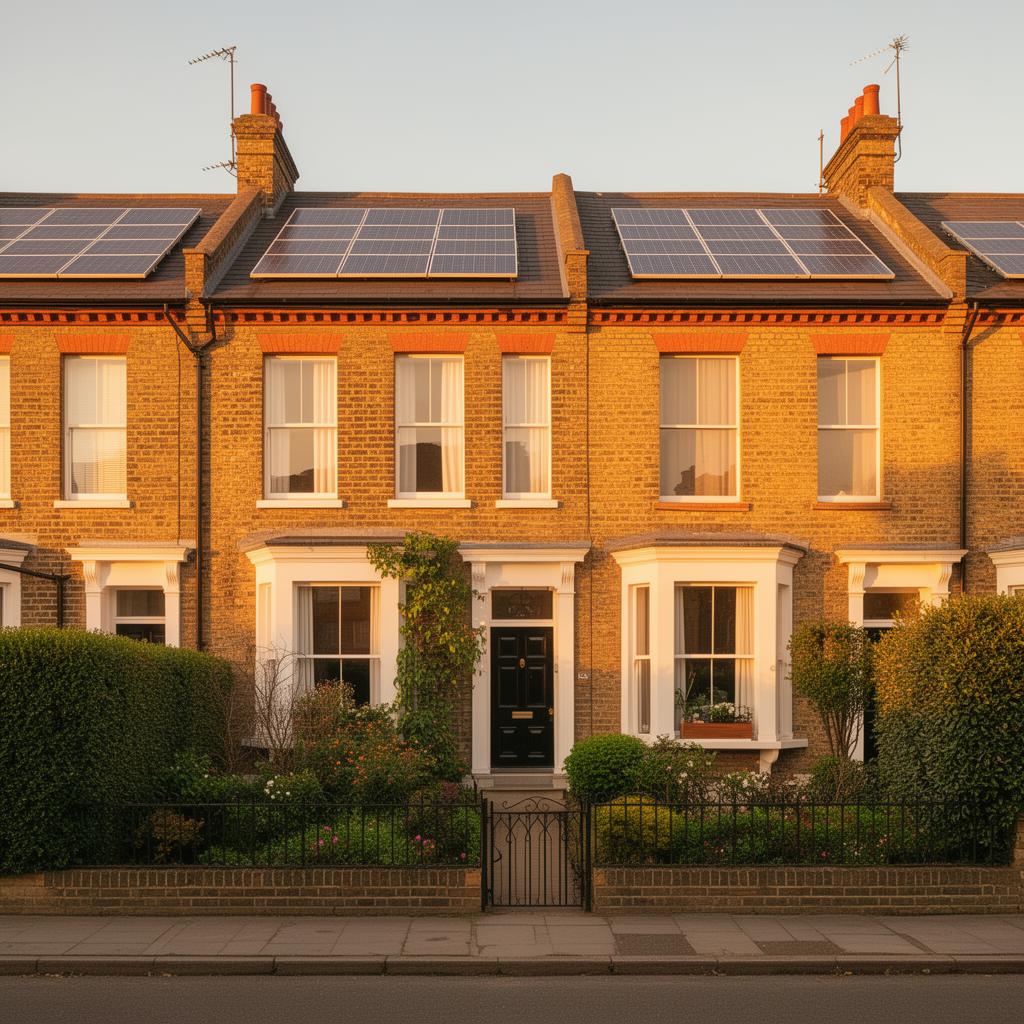
A smart thermostat saves the average older home in Lancashire £80-£180 per year on heating bills, according to a combination of manufacturer data and independent testing. The devices cost £150-£300 including professional installation, which means they pay for themselves within 1-3 years. For draughty Victorian terraces, stone cottages and 1930s semis across the North West, where heating accounts for 50-70% of the total energy bill, a smart thermostat is one of the most cost-effective upgrades available. But the savings depend on what you are replacing and how you use it.
Do Smart Thermostats Save Money in Older Homes?
Yes, smart thermostats save money in older homes, typically reducing heating bills by £80 to £150 per year. Older properties benefit the most because they tend to have less efficient heating patterns — rooms heated when unoccupied, no zoning and manual thermostats left at a single temperature. A smart thermostat introduces scheduling, geofencing and room-level control that cuts waste without sacrificing comfort.
The Nest Learning Thermostat (£200 to £250 installed), Hive (£150 to £200) and tado° (£130 to £180) are the most popular models in UK older homes. All three work with standard combi and system boilers and can be self-installed in under an hour. For the best results in a draughty older property, combine a smart thermostat with TRVs on individual radiators to create room-by-room zones that only heat the spaces you are actually using.
The key question is not whether smart thermostats save money in general (they do), but whether they save enough money in your specific situation to justify the cost. If you already have a good programmable thermostat and use it well, the marginal saving from going smart is modest. If you have a basic on/off thermostat, a manual timer or no real heating control at all (surprisingly common in older Lancashire homes), the savings can be substantial.
How Smart Thermostats Save Money
Smart thermostats save energy through several mechanisms that simple programmable thermostats cannot match:
Learning your schedule: Devices like Nest and Tado learn when you leave and return home and adjust the heating accordingly. If you leave for work at 8am and return at 6pm, the thermostat turns the heating down while you are out rather than heating an empty house. For households with regular routines, this alone saves 10-15% on heating.
Geofencing: Using your phone’s GPS, the thermostat detects when you leave a set radius of your home and reduces the heating. When you start heading home, it ramps up so the house is warm when you arrive. This is particularly useful for households with irregular schedules.
Weather compensation: Smart thermostats connect to weather forecasts and adjust the heating based on predicted outdoor temperatures. If tomorrow is forecast to be mild, the system does not fire up as aggressively. If a cold snap is predicted, it pre-heats. This prevents the boiler from overheating the house on mild days – a common waste in older homes with basic controls.
Zone control: Systems like Tado and Drayton Wiser use smart thermostatic radiator valves (TRVs) to control individual rooms. You heat only the rooms you are using – the living room in the evening, bedrooms at night, no heating in spare rooms. Zone control can save 20-30% compared to heating the whole house uniformly.
Remote control: If you forget to turn the heating off, or you are coming home late, you can adjust it from your phone. This prevents the classic scenario of heating an empty house for hours because you forgot to change the timer.
Best Smart Thermostats for Older Lancashire Homes
Not all smart thermostats suit older homes equally. Here are the most popular options for Lancashire properties:
Tado (from £180 for starter kit): Excellent for zone control with smart TRVs. Works with most UK combi and system boilers. The geofencing is reliable and the app is intuitive. Adding smart TRVs to individual rooms costs £60-£80 per radiator. Particularly good for terraced houses where you want to heat the lounge and kitchen but not the spare bedroom.
Drayton Wiser (from £160 for starter kit): A UK-designed system that integrates well with British heating setups. Offers zone control via smart TRVs and has a “moments away” mode for quick adjustments. Good value and well-reviewed by UK installers. The radiator thermostats cost £40-£50 each, making it cheaper to add zones than Tado.
Nest (from £200): The best-known smart thermostat with a learning algorithm that adapts to your habits over 1-2 weeks. No zone control via individual radiators (it controls the boiler only), so it suits smaller homes or those where you want whole-house control. The rotating dial is intuitive and the display is attractive.
Hive (from £180): Backed by British Gas, Hive offers a solid smart thermostat with optional smart TRVs for zone control. It is well-supported in the UK and easy to install. The app is straightforward and it works with Alexa and Google Home.
Realistic Savings for Different Situations
Here are realistic saving estimates for common Lancashire household scenarios:
- Replacing a basic on/off thermostat with a smart thermostat: Save 15-25% on heating. For a home spending £1,000/year on gas: £150-£250 saved.
- Replacing a programmable thermostat with a smart thermostat: Save 5-10% on heating. For a home spending £1,000/year on gas: £50-£100 saved.
- Adding zone control to a home that currently heats all rooms equally: Save 20-30% on heating in the controlled rooms. For a home spending £1,000/year on gas: £100-£180 saved.
- Home already with good manual control habits: Marginal saving of 3-5%. May not justify the cost unless you want the convenience features.
The biggest savings come from homes where the heating currently runs when nobody is home, heats rooms that are not used, or runs at higher temperatures than needed. If that describes your Lancashire home, a smart thermostat will make a noticeable difference.
Installation in Older Homes
Most smart thermostats are compatible with standard UK heating systems, including combi boilers, system boilers and regular (conventional) boilers. Installation typically takes 30-60 minutes for a professional and involves replacing the existing thermostat unit and connecting to your boiler’s control wiring.
In older Lancashire homes, there are a few potential complications:
Wiring: Some smart thermostats need a constant live wire (not just a switched live from the timer). Older wiring may only provide a switched live to the thermostat location. A professional installer can usually resolve this by running an additional wire or using a wireless thermostat that communicates with a receiver at the boiler.
Wi-Fi signal: Smart thermostats need a Wi-Fi connection. In thick-walled Lancashire stone cottages, the Wi-Fi signal from a router at the back of the house may not reach a thermostat at the front. A Wi-Fi extender (£20-£40) usually solves this.
Boiler compatibility: Very old boilers (pre-2000) may have unusual control connections. Check the thermostat manufacturer’s compatibility checker before buying. Most devices list compatible boiler brands and models on their websites.
Smart TRVs: Zone Control on a Budget
If a full smart thermostat system feels like overkill, smart thermostatic radiator valves (TRVs) offer zone control at a lower entry cost. You replace the existing TRV on each radiator with a smart version that connects to the thermostat or operates independently via an app.
For a typical 3-bed Lancashire terrace with 6-7 radiators, equipping the main rooms (lounge, kitchen, master bedroom) with smart TRVs costs £180-£350. You can then set different temperatures and schedules for each room. Heat the lounge to 20 degrees in the evening, bedrooms to 17 degrees at night, and leave the spare room at 12 degrees. The saving compared to heating every room to 20 degrees is significant.
Is It Worth It?
For most older Lancashire homes, a smart thermostat is a solid investment. The payback period of 1-3 years compares favourably with almost any other home energy improvement. Beyond the financial savings, the convenience of controlling your heating from anywhere, the comfort of arriving to a warm house, and the peace of mind of not heating an empty home all add value.
The main exception is if you are already disciplined with a good programmable thermostat and have simple heating needs. In that case, the marginal saving may not justify switching. But if you find yourself constantly adjusting the timer, heating rooms you are not using, or leaving the heating on when you go out, a smart thermostat will quickly earn its keep.
Do smart thermostats work with heat pumps?
Most smart thermostats are designed for gas boilers. Heat pumps work differently (they prefer to run at low, steady temperatures rather than cycling on and off) and need controllers that understand this. Some smart thermostats, like Tado, have heat pump compatibility modes. If you have or are getting a heat pump, check compatibility before buying a smart thermostat, or use the manufacturer’s own controller.
Can I install a smart thermostat myself?
Many smart thermostats are designed for DIY installation, with step-by-step guides and video tutorials. If you are comfortable wiring a light switch, you can probably install a Nest or Hive yourself. However, if you are unsure about the wiring or your boiler connection, professional installation (£50-£100) is money well spent and avoids any risk of damage to your boiler or heating system.
What happens if the Wi-Fi goes down?
All mainstream smart thermostats continue to control the heating using their last schedule if the Wi-Fi connection drops. You just lose the remote control and smart features until the connection is restored. The heating does not stop working – the thermostat operates as a standard programmable thermostat during any outage.
See what these numbers mean for your home
Free instant estimate — costs, savings, payback and grants for your region.

Related Articles
7 Quick Wins to Cut Your Energy Bills This Summer
Summer might seem like the wrong time to think about energy bills, but it is actually when the smartest homeowners make changes. Lower heating demand means more of your spending…
22 May 2026
The Best Time of Year to Replace Your Boiler (and How to Get the Best Price)
Find out why summer is the best time to replace your boiler in the UK, how to negotiate better prices and what to check before committing to an installation.
9 May 2026
Electric Heating Options Explained: Panel Heaters, Storage Heaters and Infrared
Compare electric heating options for UK homes including modern storage heaters, ceramic panel heaters and infrared panels with running cost breakdowns.
7 May 2026