How to Keep a Draughty Lancashire Cottage Warm Without Breaking the Bank
Lancashire’s stone-built cottages – from the Pennine hillside villages to the Ribble Valley and Forest of Bowland – are among the most characterful homes in England. They are also among the most expensive to heat. Thick stone walls, single-glazed sash windows, open fireplaces and draughty doors mean heating bills of £2,000-£3,000 per year are common, and even then, the rooms can feel cold. The good news is that a combination of low-cost draught-proofing, targeted insulation and heating upgrades can make a significant difference – often for far less than you might expect.
How to Keep a Draughty Cottage Warm
- Draught-proof doors, windows and floorboards — seal gaps with foam strips, brush strips and silicone sealant for under £100 total
- Add thick curtains with thermal lining — reduces heat loss through single-glazed windows by up to 25 percent
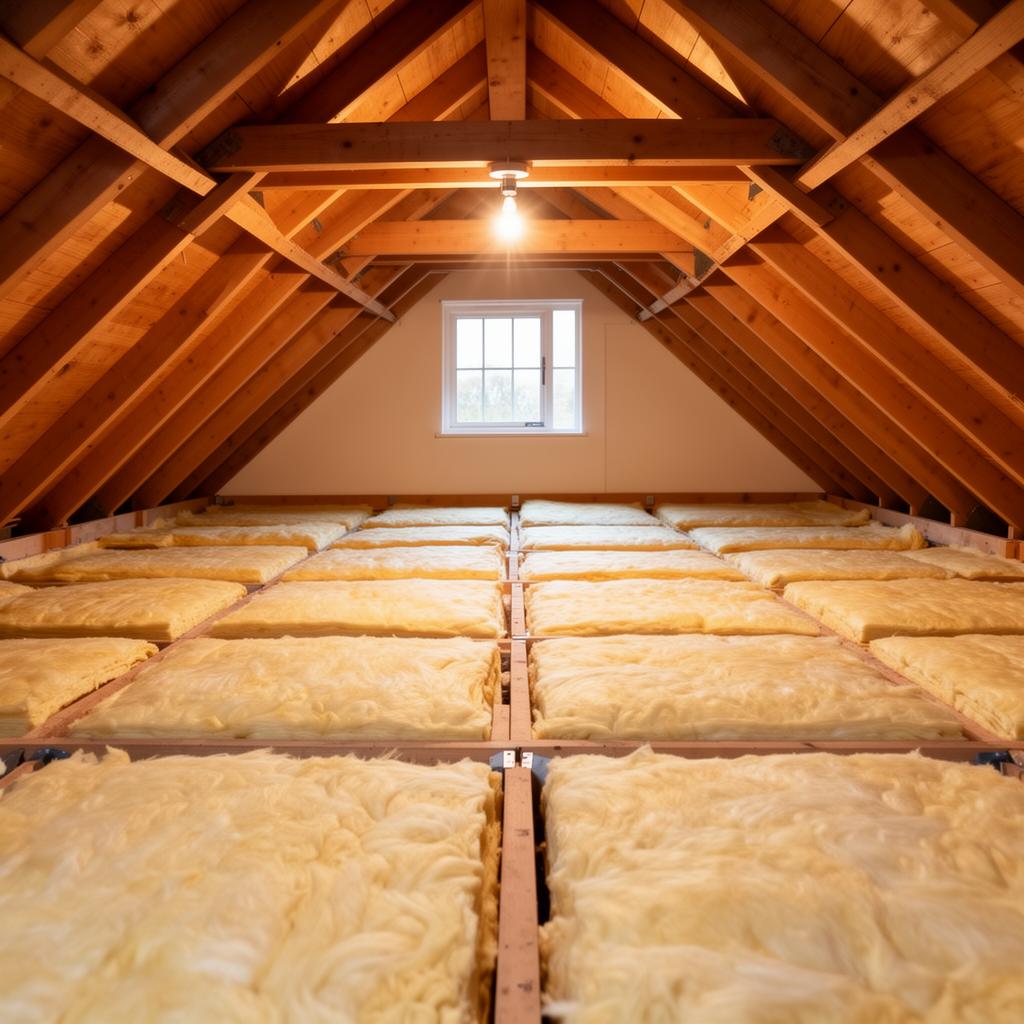
- Insulate the loft to 270mm — the single most cost-effective upgrade, saving £150 to £300 per year
- Fit a chimney draught excluder — an open chimney loses as much heat as leaving a window open; a wool chimney balloon costs under £25
- Use rugs on stone or timber floors — adds an insulating layer and immediately improves comfort underfoot
- Install internal wall insulation on the coldest walls — thin aerogel or insulated plasterboard adds minimal thickness while cutting heat loss
- Upgrade to a smart thermostat — programme heating to match your routine rather than running it all day
Lancashire’s stone-built and Victorian cottages are among the draughtiest homes in the UK, but low-cost draught-proofing alone can save £100 to £200 per year. Start with the cheapest measures first — draught strips, chimney excluders and heavy curtains — before investing in insulation. For cottages in conservation areas where external changes are restricted, internal wall insulation and secondary glazing offer the best thermal improvements without affecting the building’s appearance.
Whether you live in a weaver’s cottage in Barrowford, a farmworker’s terrace in Longridge or a former mill manager’s house in Helmshore, many of the same issues apply. Here is a practical guide to improving comfort and cutting costs, starting with the cheapest and simplest measures and working up to more substantial investments.
Start with Draught-Proofing: The Best Value Improvement
Draughts account for a significant proportion of heat loss in older cottages, and stopping them is cheap and immediately effective. A comprehensive draught-proofing job on a Lancashire cottage costs £150-£500 if you hire a professional, or £30-£100 in materials if you do it yourself.
Doors: External doors in older cottages often have gaps of 3-5mm around the frame. Fit brush-strip or rubber compression seals around the door frame (£5-£15 per door), and a brush or bristle excluder along the bottom edge (£8-£20). For letter boxes, fit a flap-style draught excluder (£5-£10). A well-sealed external door can reduce heat loss by 10-15% in the rooms it serves.
Windows: Sash windows are particularly draughty because the sashes slide within their frames, creating gaps. Specialist sash window draught-proofing (using brush seals inserted into the frame) costs £100-£200 per window professionally, or around £15-£30 per window for a competent DIYer. Casement windows benefit from rubber or foam compression seals around the frame (£3-£5 per window).
Chimneys: An open chimney in an unused fireplace acts like a ventilation shaft, drawing warm air straight out of the room. A chimney balloon or chimney sheep (a thick draught excluder that sits in the chimney opening) costs £20-£40 and can be installed in minutes. It is one of the single most effective draught-proofing measures in a cottage with disused fireplaces.
Floorboards: Older cottages with suspended timber floors often have gaps between and around the floorboards. Filling these with flexible sealant (for gaps up to 5mm) or thin strips of wood or foam (for larger gaps) reduces draughts noticeably. A tube of decorator’s filler costs £5-£8 and can seal an entire room’s worth of floorboard gaps.
Secondary Glazing: Keep the Character, Lose the Cold
Replacing original sash or casement windows in a Lancashire cottage – especially one in a conservation area or a listed building – is often impractical or not permitted by planning rules. Secondary glazing is an effective alternative that preserves the existing windows while dramatically reducing heat loss and draughts.
Secondary glazing involves fitting an additional pane of glass or polycarbonate on the inside of the existing window frame. Options range from budget to premium:
- Window film kits (£10-£20 per window): Shrink-fit plastic film stretched over the window opening. Cheap and effective but not the most attractive solution. Good for a quick winter fix.
- Magnetic secondary glazing (£60-£120 per window): A clear acrylic panel held in place by magnetic strips around the window reveal. Removable in summer, neat-looking and effective. Brands like Magnetglaze are popular with Lancashire cottage owners.
- Permanent secondary glazing (£200-£500 per window): A purpose-made glass panel in an aluminium or timber frame, fitted to the window reveal. The best performance and appearance, but more expensive. Can be hinged or sliding for ventilation.
Secondary glazing reduces heat loss through windows by 50-65% and virtually eliminates window draughts. It also significantly reduces external noise, which is a bonus if your cottage is on a busy road.
Insulation Where You Can
Stone cottages have limited insulation options compared to brick-built homes, but there are still improvements worth making:
Loft insulation: If your cottage has an accessible loft space, topping up the insulation to 270mm (the recommended depth) is one of the most effective measures. Many older cottages have little or no loft insulation. Cost: £300-£800, saving an estimated £150-£250 per year.
Underfloor insulation: If you have a suspended timber floor with an accessible void beneath (common in cottages with cellars or raised ground floors), insulating between the joists from below costs £500-£1,500 and may save an estimated £50-£100 per year. It also makes floors feel dramatically warmer underfoot.
Internal wall insulation: This is the most impactful but also most disruptive option. Fitting insulation boards to the inside of external stone walls improves thermal performance enormously but reduces room sizes by 50-100mm per wall and requires redecoration. In small cottage rooms, this loss of space may be unacceptable. However, insulating just the coldest wall (often the north-facing gable end) can be a good compromise. Cost: £1,500-£3,000 per room.
Our guide to solid wall insulation costs in Lancashire covers the options in detail.
Heating Upgrades That Make a Difference
In a draughty cottage, how you heat matters as much as how much you heat. Here are some heating improvements that work well in older Lancashire homes:
Thermostatic radiator valves (TRVs): If your radiators do not have TRVs, adding them costs £15-£30 per radiator (plus fitting if you are not DIY-confident). TRVs let you control the temperature in individual rooms, so you can heat the rooms you use and turn down the rest.
A smart thermostat: Replacing a basic timer with a smart thermostat (£150-£250 installed) lets you programme your heating more precisely and control it from your phone. The ability to boost the heating 30 minutes before you get home, rather than heating an empty cottage all afternoon, may save an estimated £80-£150 per year. Our guide to smart thermostats in older homes covers the options.
Boiler upgrade: If your boiler is more than 15 years old, it may be running at 70-80% efficiency compared to 92-94% for a modern condensing boiler. Replacing it costs £2,500-£3,500 and may save an estimated £100-£200 per year on gas bills. If your cottage is off the gas grid (common in rural Lancashire), consider a heat pump with up to £7,500 in government grants – our step-by-step guide explains how.
Quick Wins That Cost Almost Nothing
While you plan bigger improvements, these no-cost or low-cost changes make an immediate difference:
- Heavy curtains: Thick, lined curtains drawn at dusk reduce heat loss through windows by 15-20%. If your cottage has original shutters, close them too.
- Rugs on stone floors: A thick rug on a stone flag floor acts as insulation and stops the cold floor from cooling the room. It makes a noticeable difference to perceived room temperature.
- Door curtains: A heavy curtain across an external door (or an internal door leading to an unheated hallway) traps warm air in the room.
- Reflective radiator panels: Foil panels fitted behind radiators on external walls reflect heat back into the room instead of warming the wall. They cost £5-£10 and are simple to fit.
- Bleed your radiators: Air trapped in radiators prevents them from heating fully. Bleeding them (releasing the trapped air) takes 2 minutes per radiator and costs nothing.
Prioritising Your Spending
For a typical draughty Lancashire cottage, here is the order we would recommend tackling improvements, from cheapest and most effective to more substantial investments:
- Draught-proof doors, windows and chimneys: £50-£300
- Loft insulation top-up: £300-£800
- Secondary glazing on the worst windows: £100-£600
- TRVs and a smart thermostat: £200-£400
- Underfloor insulation (if accessible): £500-£1,500
- Boiler replacement or heat pump: £2,500-£6,500 (after any grants)
- Internal wall insulation on key walls: £1,500-£5,000
Is it worth insulating a listed cottage?
Yes, but you need listed building consent for some measures. Draught-proofing, loft insulation and secondary glazing generally do not need consent. Internal wall insulation may need consent depending on the character of the interior. External wall insulation is almost never permitted on a listed building. Contact your local conservation officer before starting any work that alters the building fabric.
Do stone walls need to breathe?
Traditional stone walls manage moisture by allowing it to pass through the wall and evaporate. Using modern, impermeable insulation materials (like foil-backed PIR boards) directly against stone walls can trap moisture and cause damp. If you insulate stone walls internally, use breathable insulation materials such as wood fibre boards or mineral wool with a suitable vapour-permeable membrane. A specialist in traditional building conservation can advise on the right approach for your cottage.
Can I get grants for cottage improvements?
government energy efficiency schemes funding is available for cottages if you receive qualifying benefits and the property has an EPC of D or below (most cottages do). The government insulation scheme may cover loft and underfloor insulation. The government heat pump grant provides up to £7,500 towards a heat pump. Check our guide to government energy efficiency schemes eligibility in Lancashire for the full details of what is available.
See what these numbers mean for your home
Free instant estimate — costs, savings, payback and grants for your region.

Related Articles
7 Quick Wins to Cut Your Energy Bills This Summer
Summer might seem like the wrong time to think about energy bills, but it is actually when the smartest homeowners make changes. Lower heating demand means more of your spending…
22 May 2026
The Best Time of Year to Replace Your Boiler (and How to Get the Best Price)
Find out why summer is the best time to replace your boiler in the UK, how to negotiate better prices and what to check before committing to an installation.
9 May 2026
Electric Heating Options Explained: Panel Heaters, Storage Heaters and Infrared
Compare electric heating options for UK homes including modern storage heaters, ceramic panel heaters and infrared panels with running cost breakdowns.
7 May 2026