Selling a Home with Solar Panels in Lancashire: Does It Add Value?
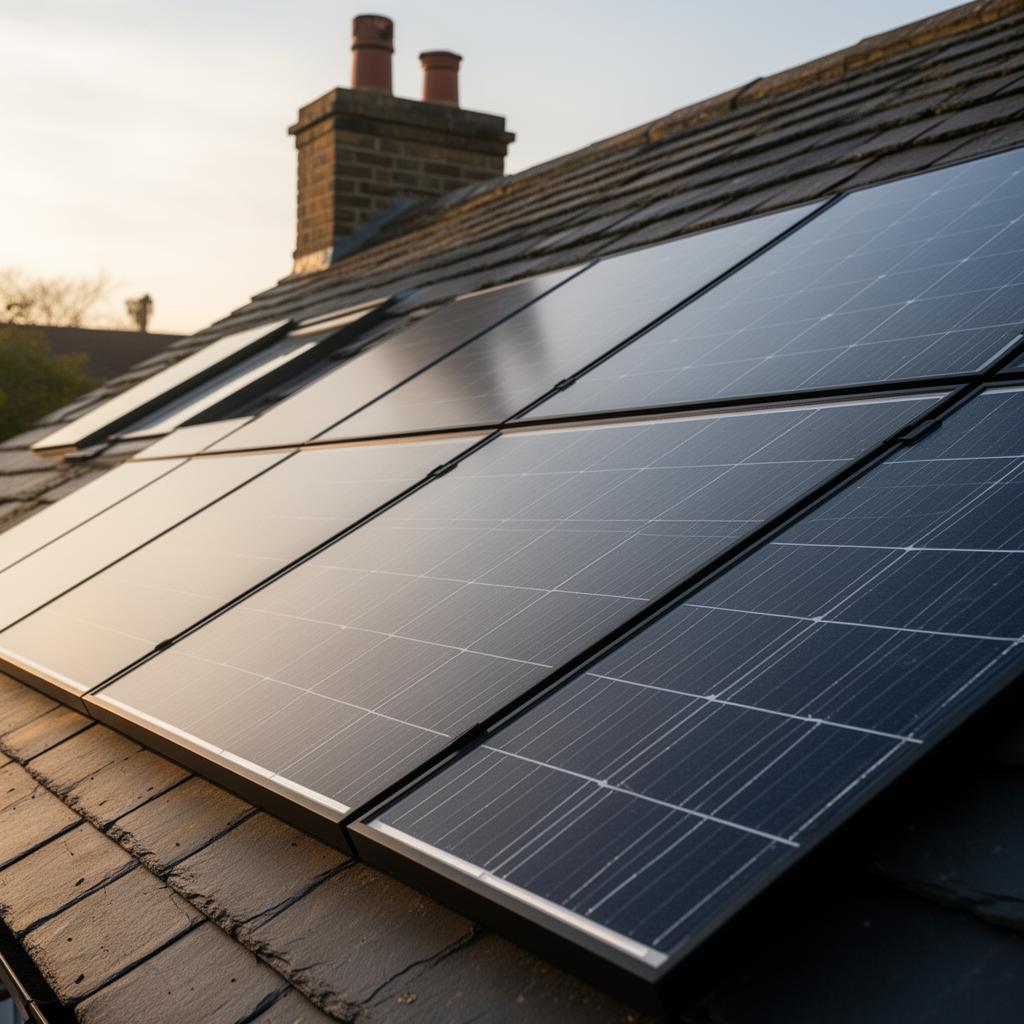
Solar panels add an estimated £1,800-£4,000 to the value of a typical Lancashire home, based on available research and estate agent feedback from the region. A 2023 study by the government energy department found that properties with solar panels sell for around 0.9-2% more than comparable homes without them. For an average Lancashire semi valued at £180,000-£220,000, that translates to roughly £1,600-£4,400. The exact uplift depends on the system size, age, ownership structure and the buyer’s awareness of the financial benefits.
Do Solar Panels Add Value to Your Home?
Yes, solar panels add value to most Lancashire homes. Research consistently shows that properties with solar panels sell for 2 to 4 percent more than comparable homes without them, equating to £4,000 to £10,000 on a typical Lancashire property. Buyer demand for energy-efficient homes has increased sharply since energy prices rose in 2022, and a higher EPC rating driven by solar panels makes a property more attractive to both buyers and mortgage lenders.
Owned solar panels add more value than leased systems because the buyer inherits a free electricity source with no ongoing payments. If your panels are on a lease or rent-a-roof agreement, the lease transfers to the new owner, which some buyers may view as a complication. Ensure your EPC is updated to reflect the solar installation before listing, as the improved energy rating is one of the strongest selling points in the current market.
If you are thinking about selling your Lancashire home and have solar panels installed – or you are considering installing solar partly as an investment before selling – here is what the evidence shows, what buyers care about and how to present your solar system to maximum advantage.
The Evidence on Solar and Property Values
Research on UK property values and solar panels has grown substantially in recent years. Several key findings are relevant for Lancashire homeowners:
EPC ratings influence property values, and solar panels improve your EPC score. A home that moves from EPC band D to band C can see a 2-5% value increase, according to research by the government. Solar panels typically improve your EPC by 1-2 points depending on the system size and your other measures.
independent energy organisations reports that 67% of UK home buyers consider energy efficiency important when choosing a property. In Lancashire, where energy bills are a real concern for many households, this factor carries significant weight. Buyers increasingly ask about energy costs, and a solar system with documented savings is a tangible selling point.
Estate agents across Lancashire and Greater Manchester report mixed but generally positive reactions from buyers. Younger buyers and families tend to value solar panels more highly. Some older buyers or buy-to-let investors are less interested, particularly if they do not understand the financial benefits.
What Affects the Value Uplift
Not all solar installations add equal value. Several factors influence how much a buyer is willing to pay:
Ownership vs lease: This is the most important factor. If you own the solar panels outright, they are an asset that transfers with the property. If the panels are leased or under a rent-a-roof agreement, the buyer takes on the lease terms, which can deter some purchasers and even cause mortgage lender complications. Owned panels add more value and are simpler to sell.
System age and condition: Modern panels (under 5 years old) with a current warranty are more valuable than older systems. Panels from the early feed-in tariff era (2010-2015) may still work fine but are less efficient and closer to the end of their inverter lifespan (inverters typically last 10-15 years and cost £800-£1,200 to replace).
previous export scheme status: If your system was installed under the old previous export scheme (before April 2019), you receive scheduled payments for every kWh generated and exported. These payments are inflation-linked, tax-free and last for 20 years from installation. This ongoing income stream is valuable and transfers to the new owner. A system receiving £500-£800 per year in FIT payments is worth significantly more to a buyer than one on the current export tariff paying £100-£200 per year.
Battery storage: A system with battery storage demonstrates greater self-sufficiency and higher savings. It can add an additional premium, though the battery’s age and remaining warranty affect its perceived value.
Documentation: Systems with complete documentation – installation certificate, installer certificate, warranty details, generation data, FIT or export tariff contract – command more confidence and value. Missing paperwork raises questions and can delay or complicate a sale.
How to Present Solar Panels When Selling
Maximising the value of your solar system at sale involves presenting the benefits clearly to potential buyers. Here is what works:
Prepare a solar information pack. Include your installer certificate, warranty documents, latest generation data (monthly and annual kWh), your energy bills showing reduced costs, and your FIT or export tariff contract details. If you have an app showing generation history (most modern systems do), take screenshots of annual performance.
Calculate and display the financial benefits. Work out the annual saving on electricity bills plus any FIT/SEG income. Present this as a simple figure: “This solar system saves approximately £600 per year on energy costs.” Buyers respond to clear numbers.
Highlight the EPC improvement. If your solar panels improved your EPC rating, mention this. A higher EPC rating means lower estimated energy costs on the property listing, which catches buyers’ eyes when comparing similar homes.
Brief your estate agent. Many estate agents do not fully understand solar panels and may not promote them effectively. Give your agent a short brief on the system size, annual savings and any FIT payments so they can communicate the benefits accurately to viewers.
Leased Solar Panels: Complications When Selling
If your solar panels are leased (installed for free under a rent-a-roof or power purchase agreement), selling is more complicated. The lease transfers to the buyer, who must agree to the terms. Common issues include:
- Some buyers are reluctant to take on a 20-25 year lease from a company they do not know
- Certain mortgage lenders will not lend on properties with solar leases, or require additional documentation
- The lease may include clauses about roof access, maintenance obligations or removal costs
- If the buyer’s solicitor is unfamiliar with solar leases, it can delay conveyancing
If you have leased panels and plan to sell, contact the leasing company early. Ask about the assignment process (transferring the lease to the buyer) and get a copy of the assignment pack for your solicitor. Some leasing companies charge an administration fee of £100-£300 for the transfer.
If the lease is causing significant problems with a sale, you may be able to buy out the remaining lease term. Costs vary widely but typically range from £2,000-£5,000 depending on the remaining term and system size.
Should You Install Solar Panels Before Selling?
Installing solar panels purely to increase your sale price is generally not worthwhile. A system costing £6,000-£8,000 that adds £2,000-£4,000 to the sale price means you lose money on the transaction. Solar panels are a good investment if you plan to live in the home for at least 5-10 years and benefit from the energy savings yourself.
However, if your home has a poor EPC rating and adding solar would push it from band D to C (or E to D), the EPC improvement alone may add enough value to justify the investment – particularly as EPC requirements for sales and lettings become stricter over time.
Transferring the FIT or export tariff Contract
When you sell a property with solar panels, any previous export scheme or export tariff contract transfers to the new owner. You need to notify your FIT licensee or export tariff provider of the change of ownership. This is usually done during conveyancing, and your solicitor should handle it. Make sure the FIT contract details are included in the sale documentation so the transfer happens smoothly.
Do solar panels put off any buyers?
A small minority of buyers have concerns about roof condition under panels, aesthetic preferences or worries about maintenance. These concerns are generally manageable with good information. If a buyer worries about roof access, explain that panels can be temporarily removed for re-roofing. If they dislike the appearance, that is a personal preference you cannot change – but most buyers in 2024 view solar positively.
Can the buyer get a mortgage on a property with solar panels?
Yes. Owned solar panels cause no mortgage issues whatsoever. Leased panels can cause complications with some lenders, but most major lenders now have processes for handling solar leases. The key is having complete documentation. Your buyer’s solicitor should check mortgage lender requirements early in the process.
Do I need to remove solar panels before selling?
No. Unless you specifically negotiate to remove them (which would mean making good the roof), solar panels are treated as fixtures and fittings that convey with the property. They should be listed in the fixtures and fittings form during conveyancing, along with any associated equipment (inverter, battery, monitoring systems).
See what these numbers mean for your home
Free instant estimate — costs, savings, payback and grants for your region.

Related Articles
Is Solar Battery Storage Worth It in 2026?
Solar panels are now a common sight on UK rooftops, but the real game-changer in 2026 is battery storage. A home battery lets you store the electricity your panels generate…
2 June 2026
Why Spring Is the Perfect Time to Install Solar Panels
If you have been thinking about solar panels for a while but never quite pulled the trigger, spring is the moment to act. The combination of lengthening days, mild installation…
23 April 2026
How the Energy Price Cap Affects Heat Pump and Solar Panel Payback
See how the energy price cap affects heat pump and solar panel payback periods. Real calculations using current UK unit rates show why investing now locks in stronger returns.
15 April 2026