Solar Panel Battery Storage: Is It Worth the Extra Cost in Lancashire?
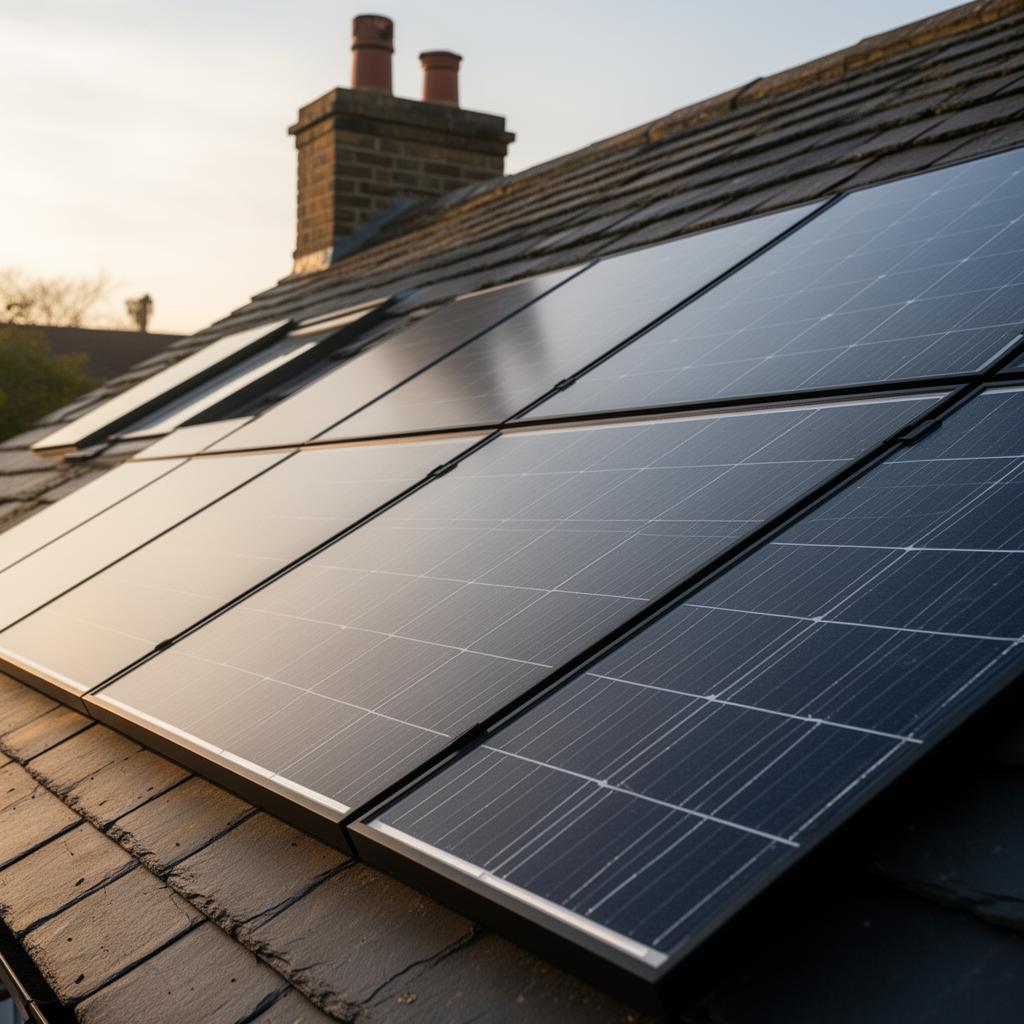
Adding a battery to a solar panel system in Lancashire costs between £2,500 and £4,500 depending on capacity, and it can increase the amount of solar electricity you use yourself from around 50% to 75-85%. For an average Lancashire household, that translates to an extra £200-£350 in annual savings – but the battery takes 8-14 years to pay for itself. Whether that is worth it depends on your usage patterns, your tariff and your plans for the home.
Is Solar Battery Storage Worth It in Lancashire?
Yes, solar battery storage is worth the extra cost for most Lancashire homeowners who already have solar panels and use most of their electricity in the morning and evening. A 5kWh battery costs £2,500 to £3,500 installed and saves £350 to £500 per year by storing surplus daytime solar generation for evening use, paying for itself within five to eight years. All domestic battery installations are VAT-free until March 2027.
Without a battery, a typical Lancashire household self-consumes only 30 to 40 percent of its solar generation, exporting the rest at 4 to 15p per kWh via the Smart Export Guarantee. With a battery, self-consumption rises to 70 to 80 percent, effectively doubling the value of each kWh generated because you avoid buying electricity at 24.5p per kWh. The financial case is strongest for households with high evening consumption, an electric vehicle or a time-of-use tariff that enables overnight grid charging at cheap rates.
Battery storage has become one of the most common questions we hear from homeowners across Burnley, Blackburn, Preston and Lancaster who are considering solar. The technology has improved significantly over the past three years, and prices have dropped by roughly 30% since 2021. But it is still a significant investment on top of your panels, so here is an honest breakdown.
How Solar Battery Storage Works
During daylight hours, your solar panels generate electricity. If you are at home using appliances, the electricity goes straight to them. Any surplus gets stored in your battery instead of being exported to the grid. Then in the evening, when the panels stop producing, you draw from the battery rather than paying for grid electricity.
Without a battery, a typical Lancashire household uses about 45-55% of their solar generation directly. The rest gets exported, and you receive a export tariff payment of 4-15p per kWh for it. With a battery, you can push your self-consumption up to 75-85%, meaning you buy much less electricity from the grid at the full retail rate of around 24p per kWh.
Battery Costs in Lancashire in 2024
Here are typical prices for batteries installed alongside a new solar panel system in Lancashire. Adding a battery at the same time as panels is cheaper than retrofitting one later because the installer is already on site with scaffolding.
- Small battery (3.6kWh, e.g. GivEnergy 3.6): £2,200 – £2,800
- Medium battery (5.2kWh, e.g. GivEnergy 5.2): £2,800 – £3,500
- Large battery (8.2kWh, e.g. GivEnergy 8.2): £3,500 – £4,200
- Premium battery (9.5kWh, e.g. Tesla Powerwall 2): £4,500 – £5,500
- Retrofit installation (adding to existing solar): Add £300-£600 for additional labour and wiring
These prices include 0% VAT when installed with or added to an existing solar panel system on a residential property. The VAT exemption alone saves you several hundred pounds.
The Financial Case: When Batteries Pay Off
The financial calculation comes down to a simple comparison. Without a battery, you export surplus solar at 4-15p per kWh. With a battery, you store that surplus and avoid buying grid electricity at 24p per kWh. The difference – roughly 10-20p per kWh of stored electricity – is your saving.
For a household in Chorley or Accrington with a 4kW solar system generating 3,400kWh per year, the numbers look like this:
- Without battery: Use 50% directly (1,700kWh), export 50% (1,700kWh at 8p = £136 export income)
- With 5.2kWh battery: Use 80% directly (2,720kWh), export 20% (680kWh at 8p = £54 export income)
- Extra self-consumption: 1,020kWh saved at 24p per kWh = £245
- Minus lost export income: £136 – £54 = £82 less export income
- Net annual benefit of battery: £245 – £82 = £163
A £3,000 battery saving an estimated £163 per year gives a simple payback of about 18 years. That is longer than many battery warranties (typically 10-12 years). However, this calculation changes significantly if you are on a time-of-use tariff or if electricity prices increase.
When Batteries Make More Financial Sense
The payback improves considerably in several scenarios that apply to many Lancashire homeowners:
Time-of-use tariffs: Tariffs like Octopus Agile or Intelligent Go charge different rates at different times. You can charge your battery overnight at 7-10p per kWh and use that stored electricity during peak hours when the rate hits 30-40p. This arbitrage can earn your battery an extra £100-£200 per year on top of solar storage benefits.
High evening usage: If your household uses most electricity between 4pm and 10pm – which is common for families in Lancashire where both parents work – a battery captures far more value because you are offsetting expensive peak-time electricity.
Electric vehicle owners: If you have an EV or plan to get one, a battery lets you store solar energy during the day and charge your car in the evening. Our guide to EV charger installation in Manchester covers how this works together.
Rising electricity prices: If prices increase (and most industry forecasts suggest they will), the value of stored electricity increases too. Every penny added to the electricity rate shortens your payback period.
What Size Battery Do You Need?
The right battery size depends on how much surplus solar you generate and how much evening electricity you use. As a general guide for Lancashire homes:
- Small solar system (3kW, 6-8 panels): 3.6kWh battery is usually enough
- Medium solar system (4kW, 10 panels): 5.2kWh battery is a good match
- Larger solar system (5kW+, 12+ panels): 8-10kWh battery to capture more surplus
- Solar plus EV charging: Consider 10kWh+ to store enough for overnight car charging
Oversizing your battery is a common mistake. If your solar system only produces 2kWh of surplus on a typical winter day, a 10kWh battery will sit mostly empty for half the year. The sweet spot is a battery that fills up on a decent spring or autumn day.
Battery Lifespan and Warranties
Modern lithium-ion batteries are rated for 6,000-10,000 charge cycles, which translates to roughly 15-25 years of daily cycling. Most manufacturers offer warranties of 10-12 years or a guaranteed number of cycles, whichever comes first.
GivEnergy, the most popular battery brand among Lancashire installers, offers a 12-year warranty. Tesla’s Powerwall comes with a 10-year warranty. After the warranty period, the battery does not stop working – it just gradually holds less charge, similar to a phone battery aging over years.
Where Does the Battery Go?
Batteries need to be installed in a sheltered location – typically a garage, utility room or hallway cupboard. They should be kept between 5 and 25 degrees Celsius for optimal performance and lifespan. In older Lancashire stone-built cottages, an unheated outhouse or cellar can get too cold in winter, so discuss placement with your installer.
A typical battery unit like the GivEnergy 5.2 measures about 480mm wide, 600mm tall and 175mm deep. It mounts on a wall and weighs around 40kg. It is quiet in operation – you will not hear it running.
My Honest Recommendation for Lancashire Homeowners
If you are on a standard flat-rate tariff and have modest electricity usage, a battery is hard to justify on pure financial grounds alone. The payback period is typically longer than the warranty. Spend the money on additional panels instead – they offer better returns per pound invested.
However, if you are on a time-of-use tariff, have high evening usage, plan to get an EV, or simply want energy independence and protection against future price rises, a battery becomes much more attractive. Many homeowners in Ribble Valley and Fylde tell us the peace of mind and control over their energy is worth the investment regardless of the exact payback period.
Can I add a battery to my existing solar panels?
Yes. Most modern solar systems can have a battery retrofitted, though it is cheaper and easier to install both at the same time. A retrofit typically costs £300-£600 more in labour. Your installer will need to check your existing inverter compatibility – some older string inverters may need upgrading to a hybrid model.
Do solar batteries work during a power cut?
Most standard battery installations will not power your home during a grid outage – they switch off for safety reasons (to protect engineers working on the lines). However, some batteries like the Tesla Powerwall and certain GivEnergy setups can be configured with an Emergency Power Supply (EPS) function that provides backup power during outages. This requires specific wiring at installation.
Are solar batteries covered by the 0% VAT?
Yes, battery storage qualifies for 0% VAT when installed alongside solar panels or added to an existing solar system on a residential property. This applies until at least March 2027 and saves you a significant amount on the total cost.
See what these numbers mean for your home
Free instant estimate — costs, savings, payback and grants for your region.

Related Articles
Is Solar Battery Storage Worth It in 2026?
Solar panels are now a common sight on UK rooftops, but the real game-changer in 2026 is battery storage. A home battery lets you store the electricity your panels generate…
2 June 2026
Why Spring Is the Perfect Time to Install Solar Panels
If you have been thinking about solar panels for a while but never quite pulled the trigger, spring is the moment to act. The combination of lengthening days, mild installation…
23 April 2026
How the Energy Price Cap Affects Heat Pump and Solar Panel Payback
See how the energy price cap affects heat pump and solar panel payback periods. Real calculations using current UK unit rates show why investing now locks in stronger returns.
15 April 2026