Energy Bills in Manchester vs the UK Average: Where Does Your Money Go?
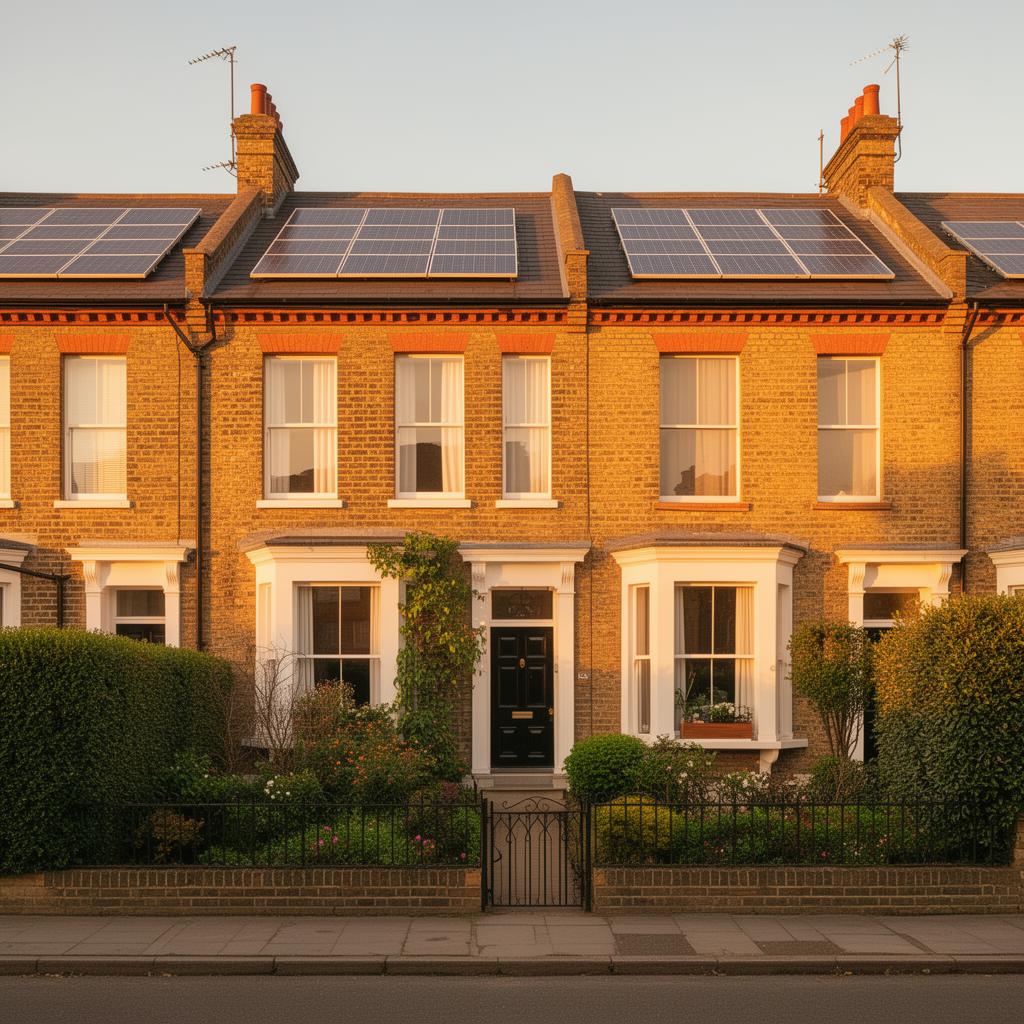
Manchester households typically spend 5-15% more on energy than the UK average, mostly because of higher heating demand during colder, wetter winters. A typical 3-bed semi in Manchester pays around £2,100 per year on gas and electricity. Here’s exactly where that money goes and what you can do about it.
How Do Energy Bills in Manchester Compare to the UK Average?
Energy bills in Manchester are broadly in line with the UK average of £1,568 per year under the 2026 energy price cap, though homes in the city tend to spend 3–7% more on heating due to the North West’s cooler, damper climate. The average Manchester household uses approximately 11,500 kWh of gas and 2,700 kWh of electricity per year, compared to the UK average of 11,500 kWh gas and 2,700 kWh electricity — but real-world consumption runs higher in Manchester’s older Victorian and Edwardian terraces.
The biggest factor in Manchester energy costs is property type and age rather than location. Pre-1930s terraced houses without cavity wall insulation can spend £1,800–£2,200 per year, while a modern semi-detached with an EPC band C rating typically pays £1,000–£1,300. Switching to a heat pump, improving insulation and installing smart heating controls can collectively reduce bills by 40–55%.
How Much Are Energy Bills in Manchester in 2026?
Under the energy price cap (which sets the maximum unit rates suppliers can charge), a household using typical amounts of energy pays around £1,738 per year nationally as of early 2026. But “typical” doesn’t mean much when your home, location and habits are unique.
Manchester sits further north than the midpoint the national average is based on. Winters are colder, the heating season is longer, and many homes are older terraces and semis that lose heat faster than newer builds. All of this pushes bills above the national figure.
Here’s what Manchester households are realistically paying based on property type:
| Property Type | Manchester Typical Annual Bill | UK Average | Difference |
|---|---|---|---|
| 1-bed flat (M1, M15 areas) | £1,200 | £1,050 | +£150 |
| 2-bed terrace (M14, M19) | £1,650 | £1,400 | +£250 |
| 3-bed semi (M20, M21, M22) | £2,100 | £1,738 | +£362 |
| 4-bed detached (M25, M33) | £2,800 | £2,400 | +£400 |
These figures are based on typical consumption patterns and the current the energy price cap rates. Your actual bills depend on your tariff, how well-insulated your home is, and how you heat it.
Where Does Your Energy Spend Actually Go?
Most people think of their energy bill as one lump sum, but it’s helpful to break it down into components. For a typical Manchester household, the split looks roughly like this:
Heating (gas central heating): 55% of your bill. This is the big one. In Manchester, the heating season runs from roughly October through to April – that’s seven months where your boiler is working hard. A 3-bed semi might use 12,000-15,000 kWh of gas per year, with the vast majority going to space heating.
Hot water: 15% of your bill. Your boiler heats water for showers, baths, washing up and cleaning. This stays fairly consistent year-round.
Appliances and lighting: 15% of your bill. Everything you plug in – fridge, freezer, washing machine, TV, computers, phone chargers. Modern appliances are more efficient than older ones, but most homes have more gadgets than ever.
Cooking: 5% of your bill. Whether you cook with gas or electric, this is a relatively small share.
Standing charges: 10% of your bill. The daily fixed charges for being connected to the gas and electricity networks. You pay these regardless of how much energy you use – currently around 61p per day for electricity and 31p per day for gas.
Why Manchester Bills Are Higher Than the National Average
Several factors push Manchester’s energy costs above the UK average. Understanding them helps you target the right solutions.
Climate. Manchester’s average winter temperature is around 3-5°C, roughly 1-2 degrees colder than southern England. That might not sound like much, but it translates to significantly more heating hours. The Met Office data shows Manchester has around 2,200 heating degree days per year, compared to about 1,900 in London. More cold days means more gas burned.
Housing stock. Greater Manchester has a high proportion of pre-1945 housing. Areas like Fallowfield, Longsight, Levenshulme and Whalley Range are dominated by Victorian and Edwardian terraces with solid walls and single-glazed sash windows. These properties lose heat 2-3 times faster than a modern build.
Fuel poverty. Around 17% of Manchester households are in fuel poverty, meaning they’d need to spend more than 10% of their income to keep their home adequately warm. This is above the national average of about 13%.
Compare quotes from qualified installers in your area. It takes 30 seconds.
How to Reduce Each Part of Your Energy Bill
Since heating dominates your spending, that’s where the biggest savings are. Here’s a practical breakdown by category.
Cut your heating costs (55% of your bill). Topping up loft insulation from 100mm to 270mm may save an estimated £200-£300 per year and may be available free through government energy efficiency schemes or the government insulation scheme. Draught-proofing doors and windows costs under £50 DIY and may save an estimated £60-£100 annually. Turning your thermostat down by just 1°C saves around £80-£100 per year. Fitting thermostatic radiator valves (TRVs) lets you heat only the rooms you use.
Reduce hot water costs (15% of your bill). Fit a hot water cylinder jacket if you have an older tank (£15, may save an estimated £35-£45/year). Take shorter showers – cutting one minute off each shower saves around £30 per year for a family of four. Set your hot water thermostat to 60°C, not higher.
Lower appliance and lighting costs (15% of your bill). Switch to LED bulbs throughout your home (may save an estimated £40-£60/year). Don’t leave appliances on standby (may save an estimated £50-£65/year research suggests). Run your washing machine at 30°C instead of 40°C.
Tackle standing charges (10% of your bill). You can’t avoid these, but you can make sure you’re on the best tariff. Use a comparison service to check whether switching supplier saves you money. Some tariffs have lower standing charges in exchange for higher unit rates, which suits low-usage households.
Manchester Postcodes With the Highest Energy Bills
Not all parts of Manchester pay the same. Properties in certain areas tend to have higher bills due to age, size and insulation levels.
The M14 (Fallowfield, Rusholme) and M19 (Levenshulme) postcodes have high concentrations of older terraced homes, many rented to students or young families. These properties often have poor insulation and outdated heating systems, pushing bills above £1,800 even for smaller homes.
In contrast, newer housing estates in areas like M11 (East Manchester) and parts of Salford (M5, M6) benefit from modern building standards and better insulation. Bills in new-build 3-bed semis in these areas can be £400-£600 lower than equivalent older homes elsewhere in the city.
The most expensive properties to heat are the larger detached homes in M20 (Didsbury), M33 (Sale) and M25 (Prestwich). While these are often well-maintained, their size means heating costs of £2,500-£3,200 are common.
The Bigger Investments That Pay Off
If you want to make a serious dent in your bills, the free and low-cost measures above are a great start. But for larger savings, consider these:
Solar panels: A 4kW system costs £5,000-£7,000 (with 0% VAT) and can save an estimated £400-£600 per year in Manchester. The payback period is typically 9-13 years, after which you’re generating free electricity.
Heat pumps: An air source heat pump costs £8,000-£12,000 after up to £7,500 in government grants. Running costs are typically 20-40% lower than a gas boiler, depending on your home’s insulation.
Cavity wall insulation: If your home has unfilled cavity walls (common in 1920s-1970s Manchester semis), professional installation costs £400-£600 and may save an estimated £200-£400 per year. You may qualify for free installation through government energy efficiency schemes.
Frequently Asked Questions
Why are my energy bills higher than my neighbours in the same Manchester street?
Even in identical houses, bills can vary by hundreds of pounds. The main factors are thermostat settings (every degree above 20°C adds roughly 10% to heating costs), insulation levels, boiler efficiency, how many people live in the home, and whether you’re on a fixed or variable tariff. An older boiler rated D or E uses significantly more gas than a modern A-rated condensing boiler.
Is it worth switching energy supplier in Manchester in 2026?
It depends on your current tariff. If you’re on a standard variable tariff at the energy price cap rate, you may find fixed deals that are slightly cheaper, especially if wholesale prices have dropped. Always compare the total annual cost including standing charges, not just the unit rate. The savings from switching supplier alone are typically modest (£50-£150/year) compared to reducing how much energy you use in the first place.
What is the energy price cap and how does it affect Manchester?
The the energy price cap sets the maximum amount suppliers can charge per unit of gas and electricity on their default tariffs. It’s updated quarterly and applies equally across England, Scotland and Wales, so there’s no regional difference in unit rates. The reason Manchester bills are higher than average is not because of higher prices per unit – it’s because Manchester homes typically use more energy due to climate and housing stock.
Can I get help with energy bills if I’m on a low income in Manchester?
Yes. The winter energy discount scheme gives eligible households a discount off their electricity bill each winter. Manchester City Council also runs support schemes, and you may qualify for free insulation through government energy efficiency schemes or the government insulation scheme if you receive certain benefits or live in a lower council tax band property. Contact a local advisory service for support for personalised guidance on what you’re entitled to.
Related Product Guides
Solar Panels — UK Costs, Grants & Installers (2026)
Heat Pumps — UK Costs, Grants & Installers (2026)
See what these numbers mean for your home
Free instant estimate — costs, savings, payback and grants for your region.

Related Articles
7 Quick Wins to Cut Your Energy Bills This Summer
Summer might seem like the wrong time to think about energy bills, but it is actually when the smartest homeowners make changes. Lower heating demand means more of your spending…
22 May 2026
The Best Time of Year to Replace Your Boiler (and How to Get the Best Price)
Find out why summer is the best time to replace your boiler in the UK, how to negotiate better prices and what to check before committing to an installation.
9 May 2026
Electric Heating Options Explained: Panel Heaters, Storage Heaters and Infrared
Compare electric heating options for UK homes including modern storage heaters, ceramic panel heaters and infrared panels with running cost breakdowns.
7 May 2026