How Much Could Solar Panels Save You in Preston, Blackpool and Central Lancashire?
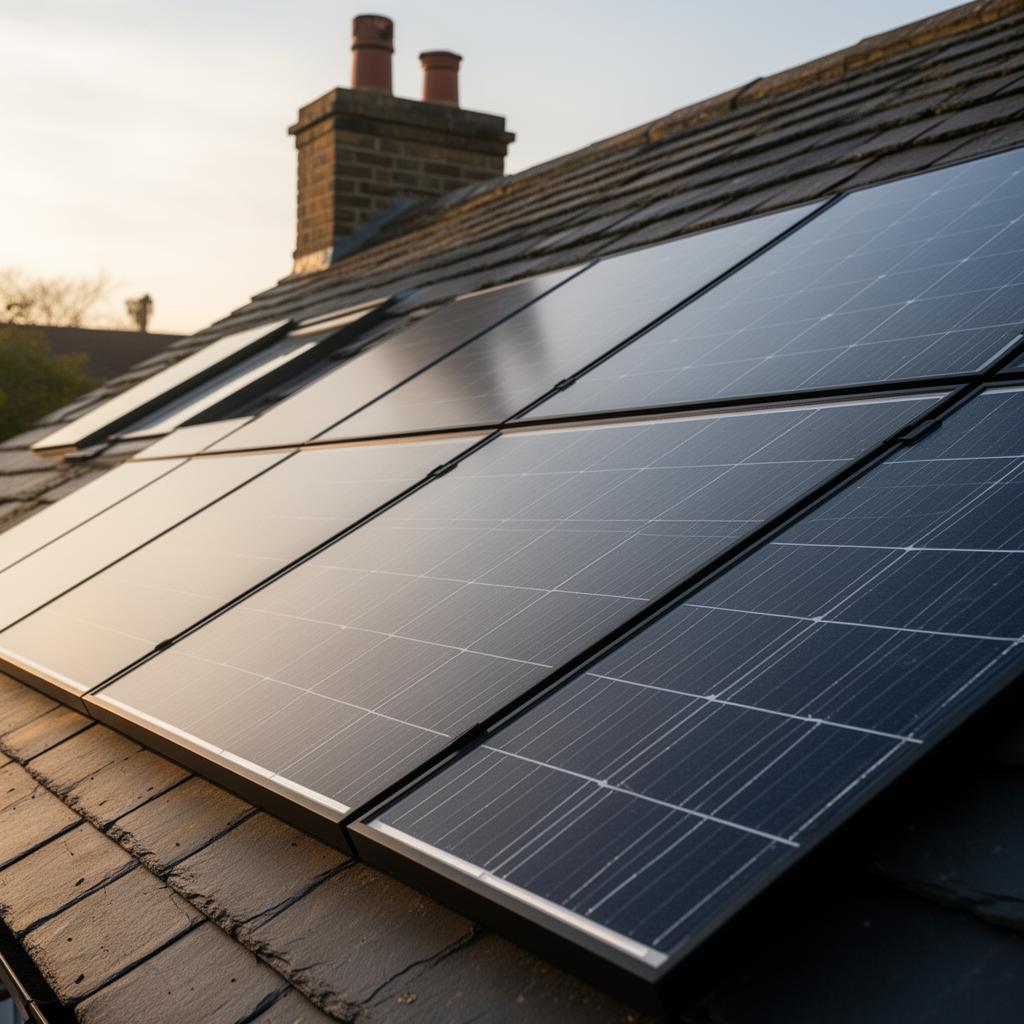
A typical 4kW solar panel system in Central Lancashire generates around 3,400-3,800 kWh of electricity per year, enough to save you £800-£1,100 annually on your energy bills. With 0% VAT on residential solar installations and the export tariff paying for surplus power, payback periods in the Preston and Blackpool area now sit between 7 and 10 years.
How Much Do Solar Panels Save in Preston and Blackpool?
A typical 4kW solar panel system in Preston or Blackpool saves £700 to £1,000 per year through reduced electricity bills and Smart Export Guarantee payments. A household using 50 per cent of generated electricity directly saves approximately £550 to £700 annually on bills, with a further £100 to £250 earned by exporting surplus electricity back to the grid at rates of 4p to 15p per kWh.
Central Lancashire receives around 1,050 to 1,100 peak sunshine hours per year, slightly below the UK average of 1,150 hours but still sufficient for a strong financial return. With 0% VAT on domestic installations and system costs of £5,500 to £7,500, most Preston and Blackpool homeowners see a payback period of 7 to 10 years before enjoying decades of virtually free electricity.
How Much Sunshine Does Central Lancashire Actually Get?
One of the most common questions we hear from homeowners in Preston, Blackpool and the surrounding areas is whether Lancashire gets enough sun for solar panels to be worthwhile. The short answer is yes, comfortably.
Central Lancashire receives around 1,250-1,350 hours of sunshine per year according to Met Office data. That is less than the south coast (which gets around 1,750 hours) but more than enough for solar panels to generate meaningful electricity. Modern panels work in daylight, not just direct sunshine, which means they produce power even on overcast days – and Lancashire has plenty of those.
Here is something that surprises many people: Blackpool, sitting on the Fylde Coast, typically gets slightly more sunshine than inland Preston. Coastal locations tend to benefit from fewer fog days and more open skies. The difference is modest – perhaps 50-100 extra sunshine hours a year – but it does add up over the lifetime of a solar system.
Solar Panel Savings in Preston vs Blackpool: What the Numbers Show
Your actual savings depend on three things: how big your solar system is, how much of the electricity you use yourself (rather than exporting to the grid), and your current electricity tariff.
Self-consumption is the key figure. Electricity you generate and use in your own home saves you the full retail rate, which currently averages around 24.5p per kWh on a standard tariff. Electricity you export to the grid earns you far less – typically 4-6p per kWh through the export tariff. So the more you use directly, the more you save.
Most homes without a battery self-consume around 35-50% of what their panels generate. With a battery, that can climb to 70-85%.
Savings Breakdown for a 4kW System in Preston
A 4kW system on a south-facing roof in the PR1-PR5 postcode area will typically generate around 3,400 kWh per year. Assuming 40% self-consumption (1,360 kWh used at home, 2,040 kWh exported):
Self-consumption savings: 1,360 kWh x 24.5p = £333 per year
Export income (export tariff): 2,040 kWh x 5p = £102 per year
Total annual benefit: Around £435 per year
If you add a battery and push self-consumption to 75%, the maths changes significantly:
Self-consumption savings: 2,550 kWh x 24.5p = £625 per year
Export income (export tariff): 850 kWh x 5p = £43 per year
Total annual benefit: Around £668 per year
Savings Breakdown for a 4kW System in Blackpool
The same system in Blackpool (FY1-FY8 postcodes) benefits from those extra coastal sunshine hours and can generate around 3,600-3,800 kWh per year. Using 3,700 kWh as a midpoint with 40% self-consumption:
Self-consumption savings: 1,480 kWh x 24.5p = £363 per year
Export income (export tariff): 2,220 kWh x 5p = £111 per year
Total annual benefit: Around £474 per year
That extra £40 a year compared to Preston may sound small, but over a 25-year panel lifespan it adds up to £1,000 or more.
Compare quotes from qualified installers in your area. It takes 30 seconds.
Solar Panel Costs and Payback by System Size in Central Lancashire
Solar panel prices have dropped considerably over the past few years, and with 0% VAT on residential installations (introduced in 2022 and currently in place until at least March 2027), the upfront cost is lower than many homeowners expect. Here is what you can realistically expect to pay in the Preston, Blackpool and Central Lancashire area from qualified local installers:
| System Size | Typical Cost (0% VAT) | Annual Generation | Annual Saving (40% self-use) | Annual Saving (75% self-use with battery) | Payback (no battery) | Payback (with battery) |
|---|---|---|---|---|---|---|
| 3kW (8-10 panels) | £4,500-£5,500 | 2,600-2,900 kWh | £330-£370 | £510-£570 | 13-15 years | 9-11 years* |
| 4kW (10-12 panels) | £5,500-£7,000 | 3,400-3,800 kWh | £435-£475 | £665-£725 | 12-15 years | 8-10 years* |
| 5kW (13-15 panels) | £6,500-£8,500 | 4,200-4,700 kWh | £535-£590 | £820-£910 | 11-14 years | 7-10 years* |
*Battery payback includes the additional cost of a battery system (typically £2,500-£4,500 for a 5-10 kWh unit). Battery payback periods shown assume the battery is purchased alongside the solar panels.
These figures use current electricity rates. If energy prices rise (as many analysts expect), payback periods get shorter. Solar panels typically last 25-30 years with minimal maintenance, so there is a long tail of essentially free electricity after the payback period.
What Affects Solar Panel Performance in Lancashire?
Not every roof is the same, and a few factors can shift your expected generation up or down:
Roof orientation: South-facing roofs generate the most electricity, roughly 100% of their potential. East or west-facing roofs still produce around 80-85%, which is perfectly viable. North-facing roofs are generally not recommended.
Roof pitch: The ideal angle in Lancashire is around 30-40 degrees. Most UK roofs sit in this range naturally. Flat roofs can work too with angled mounting frames.
Shading: Trees, chimneys and neighbouring buildings can reduce output. If your roof gets shaded for part of the day, your installer may recommend micro-inverters or optimisers which minimise the impact of partial shading.
Coastal exposure: Homes along the Blackpool and Fylde Coast may need panels with enhanced corrosion-resistant frames. Any reputable qualified installer will factor this in and use appropriate equipment.
Is Solar Worth It in Lancashire? The Honest Answer
Solar panels are not a magic bullet, and they are not right for every home. If your roof faces north, is heavily shaded, or you have very low electricity usage, the numbers may not stack up.
But for the majority of homes across Preston, Blackpool, Chorley, Leyland and the wider Central Lancashire area, solar panels offer strong returns. With 0% VAT, falling installation costs and electricity prices that show no sign of returning to pre-2021 levels, the financial case is stronger than it has ever been.
The best way to find out what solar could save you is to get quotes from qualified local installers who can assess your specific roof and usage. Comparing at least three quotes ensures you get a fair price and the right system size for your home.
Frequently Asked Questions
Do solar panels work in cloudy Lancashire weather?
Yes. Solar panels generate electricity from daylight, not just direct sunshine. On a cloudy day, panels will produce around 10-25% of their peak output. Over the full year, Lancashire’s mix of sunny, partly cloudy and overcast days still delivers 3,400-3,800 kWh from a typical 4kW system. Winter months produce less (around 15-20% of your annual total), while summer months produce much more.
Do I need planning permission for solar panels in Preston or Blackpool?
For most homes, solar panels count as permitted development, meaning you do not need planning permission. The main exceptions are listed buildings, conservation areas (parts of Preston city centre and Lytham St Annes, for example), and installations where panels would protrude more than 200mm from the roof surface. Your installer will advise you on this before any work begins.
How long do solar panels last?
Modern solar panels typically come with a 25-year performance warranty and can last 30 years or more. Performance does degrade very slightly over time – around 0.5% per year – so after 25 years your panels will still produce roughly 87% of their original output. Inverters usually need replacing once, at around the 12-15 year mark, which costs £500-£1,000.
Can I get a grant for solar panels in Lancashire?
There is no direct grant for solar panels for most homeowners, but the 0% VAT rate effectively saves you £1,000-£1,500 compared to the standard 20% rate. If you combine solar with a battery, the battery also qualifies for 0% VAT when installed alongside panels. Some local schemes and government energy efficiency schemes funding may cover solar in specific circumstances, so it is worth checking your eligibility when you request free quotes.
Related Product Guides
See what these numbers mean for your home
Free instant estimate — costs, savings, payback and grants for your region.

Related Articles
Is Solar Battery Storage Worth It in 2026?
Solar panels are now a common sight on UK rooftops, but the real game-changer in 2026 is battery storage. A home battery lets you store the electricity your panels generate…
2 June 2026
Why Spring Is the Perfect Time to Install Solar Panels
If you have been thinking about solar panels for a while but never quite pulled the trigger, spring is the moment to act. The combination of lengthening days, mild installation…
23 April 2026
How the Energy Price Cap Affects Heat Pump and Solar Panel Payback
See how the energy price cap affects heat pump and solar panel payback periods. Real calculations using current UK unit rates show why investing now locks in stronger returns.
15 April 2026