Preparing Your Home for Winter: A Free Energy Efficiency Checklist for the North West
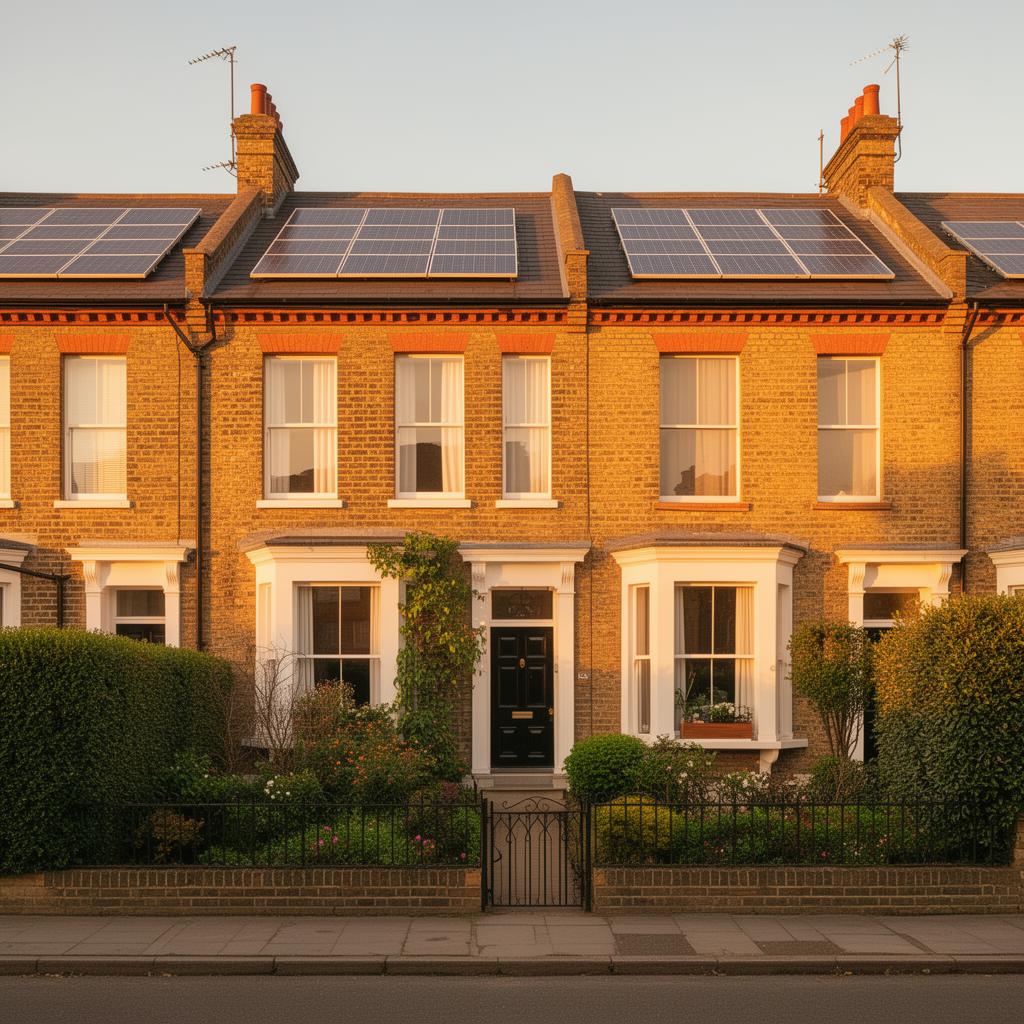
North West winters are no joke. Between December and February, average temperatures across Lancashire and Manchester hover around 2-5°C, and your heating bill can easily climb past £1,200 a year. The good news? Many of the most effective things you can do to keep warm cost nothing at all. Here is your room-by-room winter checklist.
Winter Energy Efficiency Checklist for Your Home
- Bleed all radiators — trapped air reduces heating efficiency; use a radiator key to release air from each radiator until water flows
- Check loft insulation depth — ensure you have at least 270mm of mineral wool; top up if it has compacted below the joists
- Seal draughts around windows and doors — apply self-adhesive foam strips and brush draught excluders to all external openings
- Service your boiler — an annual service maintains efficiency, validates your warranty and checks for carbon monoxide risks
- Set your heating timer and thermostat — programme heating to come on 30 minutes before you wake and turn off 30 minutes before bed
- Lag exposed pipes in the loft and garage — foam pipe insulation prevents frozen pipes and reduces heat loss from your hot water system
- Check your energy tariff — switching to a cheaper fixed deal before winter can save £100 to £300 per year
Completing this checklist before November can save a typical North West household £150 to £350 across the heating season. Most of these tasks are free or cost under £30 in materials, making them the most cost-effective energy improvements available to homeowners and tenants.
Why a Winter Energy Efficiency Checklist Matters in the North West
Homes across Lancashire and Greater Manchester lose heat faster than you might think. Research suggests a typical semi-detached house in the PR or M postcode areas can lose up to 35% of its heat through walls and 25% through the roof. That heat loss translates directly into higher gas and electricity bills.
The average North West household spends around £1,250 a year on gas and electricity, with roughly 60% of that going on space heating alone. Before you spend anything on upgrades, there are plenty of free actions that can trim those figures by 10-15%. That is potentially £125-£190 back in your pocket each winter.
Free Actions: Things You Can Do This Weekend
1. Bleed Your Radiators
If your radiators have cold spots at the top, there is trapped air inside preventing hot water from circulating properly. Grab a radiator key (available for under £1 from any hardware shop, or you may already have one in a kitchen drawer) and bleed each radiator in your home. Hold a cloth underneath the valve, turn it anti-clockwise until you hear a hiss, and close it again once water starts to dribble out.
Cost: Free. Potential saving: Radiators heat rooms more evenly, so your boiler works less hard. You could save an estimated £50-£80 a year if several radiators were underperforming.
2. Check Window and Door Seals
Run your hand around the edges of your windows and external doors. If you feel a draught, the seals need attention. Self-adhesive foam strips cost around £3-£5 per door from B&Q or Wickes, and fitting them takes minutes. For a completely free test, hold a lit candle near the frame on a windy day – if the flame flickers, you have found a gap.
Cost: Free to check, £3-£10 to fix. Potential saving: £25-£50 a year per draughty door or window sealed.
3. Move Furniture Away from Radiators
Sofas and curtains placed directly in front of radiators absorb heat before it reaches the rest of the room. Pull furniture at least 15cm away from radiators and make sure curtains are tucked behind them, not draped over them. This is completely free and surprisingly effective.
Cost: Free. Potential saving: £20-£40 a year.
4. Set Your Thermostat to 18-20°C
The World Health Organisation recommends 18°C for healthy adults. Every degree above that adds roughly 10% to your heating bill. If you have been running your thermostat at 22°C, dropping to 20°C could save you around £100 a year. Try reducing it by one degree at a time over a couple of weeks so you adjust gradually.
Cost: Free. Potential saving: £50-£130 a year depending on your starting point.
Compare quotes from qualified installers in your area. It takes 30 seconds.
Low-Cost Winter Improvements (Under £100)
5. Insulate Your Loft Hatch
Even if your loft has insulation, the hatch itself is often a weak spot. A bare loft hatch can let a surprising amount of warm air escape. You can buy a loft hatch insulation kit for around £20-£30, or simply cut a piece of rigid insulation board to size and fix it to the back of the hatch with adhesive. Add draught-strip tape around the edges for a snug seal.
Cost: £10-£30. Potential saving: £20-£50 a year, especially in older Lancashire terraces and semis where loft hatches are rarely insulated.
6. Fit a Hot Water Cylinder Jacket
If your hot water tank does not already have one, a British Standard jacket (80mm thick) costs about £15-£25 and can save you around £35-£45 a year. Many homes in the BL, OL and PR postcode areas still have uninsulated or poorly insulated cylinders. Fitting one takes less than 10 minutes – just wrap it around the tank and secure the straps.
Cost: £15-£25. Potential saving: £35-£45 a year.
7. Use Reflective Radiator Panels
If your radiators sit on external walls (common in Manchester Victorian terraces and Lancashire semis), heat can pass straight through the wall and out of your home. Reflective radiator panels fitted behind each radiator bounce heat back into the room. A pack costs around £5-£15, and you can fit them with double-sided tape.
Cost: £5-£15. Potential saving: £20-£30 a year for a typical home with 3-4 radiators on external walls.
Your Pre-Winter Boiler Checklist
Your boiler works hardest between October and March. Getting it serviced before winter arrives can prevent breakdowns during the coldest weeks and keep it running efficiently. Here is what to do:
Book an annual boiler service – A qualified engineer should check your boiler every year. Expect to pay £60-£100 in the Lancashire and Manchester area. Book in September or early October before engineers get fully booked. A well-maintained boiler runs more efficiently and is less likely to leave you without heating in January.
Check your boiler pressure – Most combi boilers should sit between 1 and 1.5 bar when cold. If it drops below 1, you can repressurise it yourself using the filling loop underneath. Your boiler manual will show you how, and there are plenty of video guides online for your specific model.
Set your heating timer – Programme your heating to come on 30 minutes before you wake up and switch off 30 minutes before you go to bed. Rooms hold heat for a while after the boiler stops. If you are out during the day, there is no need to heat an empty house.
Complete Winter Energy Efficiency Checklist: Cost vs Savings
| Action | Cost | Annual Saving | Time to Do |
|---|---|---|---|
| Bleed radiators | Free | £50-£80 | 30 mins |
| Check window/door seals | Free-£10 | £25-£50 | 1 hour |
| Move furniture from radiators | Free | £20-£40 | 15 mins |
| Set thermostat to 18-20°C | Free | £50-£130 | 2 mins |
| Insulate loft hatch | £10-£30 | £20-£50 | 30 mins |
| Hot water cylinder jacket | £15-£25 | £35-£45 | 10 mins |
| Reflective radiator panels | £5-£15 | £20-£30 | 20 mins |
| Draught excluders (doors) | £3-£10 | £25-£50 | 15 mins |
| Annual boiler service | £60-£100 | Prevents breakdowns, maintains efficiency | 1 hour (engineer visit) |
If you complete every item on this list, you could save between £245 and £475 a year for a total outlay of under £200. Most of the biggest wins are completely free.
When Free Is Not Enough: Funded Upgrades for North West Homes
If your home still feels cold after ticking off this checklist, you may qualify for funded insulation or heating upgrades through government grants. The government energy efficiency scheme provides free cavity wall insulation, loft insulation and even boiler replacements for households on certain benefits. Homes in Lancashire and Greater Manchester with an EPC rating of D or below are often eligible.
the government heat pump grant offers up to £7,500 towards an air source heat pump if you want to move away from gas entirely. And if you are on a low income, the winter energy discount scheme gives you £150 off your electricity bill each winter.
All of these can be combined with the free actions above to make a real difference to your comfort and your bills.
Frequently Asked Questions
What temperature should I set my heating to in winter in the North West?
The recommended temperature is 18-20°C for most healthy adults. If you have young children or elderly family members, 20-21°C is a better target for the rooms they use most. With North West winter temperatures regularly dropping to 2-5°C outdoors, good insulation and draught-proofing will help your home hold warmth without cranking the thermostat up.
How often should I bleed my radiators?
At least once a year, ideally in September or October before you start using your heating regularly. If you notice cold spots at the top of a radiator during winter, bleed it straight away. Older heating systems in Lancashire and Manchester homes may need bleeding more frequently, especially if the system loses pressure often.
Can I get free insulation in Lancashire or Manchester?
Yes, through the government energy efficiency scheme. If you receive certain means-tested benefits and your home has an EPC rating of D, E, F or G, you may qualify for free cavity wall insulation, loft insulation or other improvements. Contact your local council or energy guidance service to check your eligibility, or get free quotes through our comparison tool to find qualified local installers who can help.
Is it worth getting a boiler service before winter?
Absolutely. A boiler service costs £60-£100 but can identify problems before they become expensive repairs or leave you without heating in the middle of January. A well-maintained boiler also runs more efficiently, which means lower gas bills. Book early – Qualified heating engineers in the Preston, Blackburn and Manchester areas get very busy from October onwards.
Related Product Guides
Heat Pumps — UK Costs, Grants & Installers (2026)
See what these numbers mean for your home
Free instant estimate — costs, savings, payback and grants for your region.

Related Articles
7 Quick Wins to Cut Your Energy Bills This Summer
Summer might seem like the wrong time to think about energy bills, but it is actually when the smartest homeowners make changes. Lower heating demand means more of your spending…
22 May 2026
The Best Time of Year to Replace Your Boiler (and How to Get the Best Price)
Find out why summer is the best time to replace your boiler in the UK, how to negotiate better prices and what to check before committing to an installation.
9 May 2026
Electric Heating Options Explained: Panel Heaters, Storage Heaters and Infrared
Compare electric heating options for UK homes including modern storage heaters, ceramic panel heaters and infrared panels with running cost breakdowns.
7 May 2026