Solar Panel Grants and 0% VAT: What Lancashire Residents Can Claim in 2025
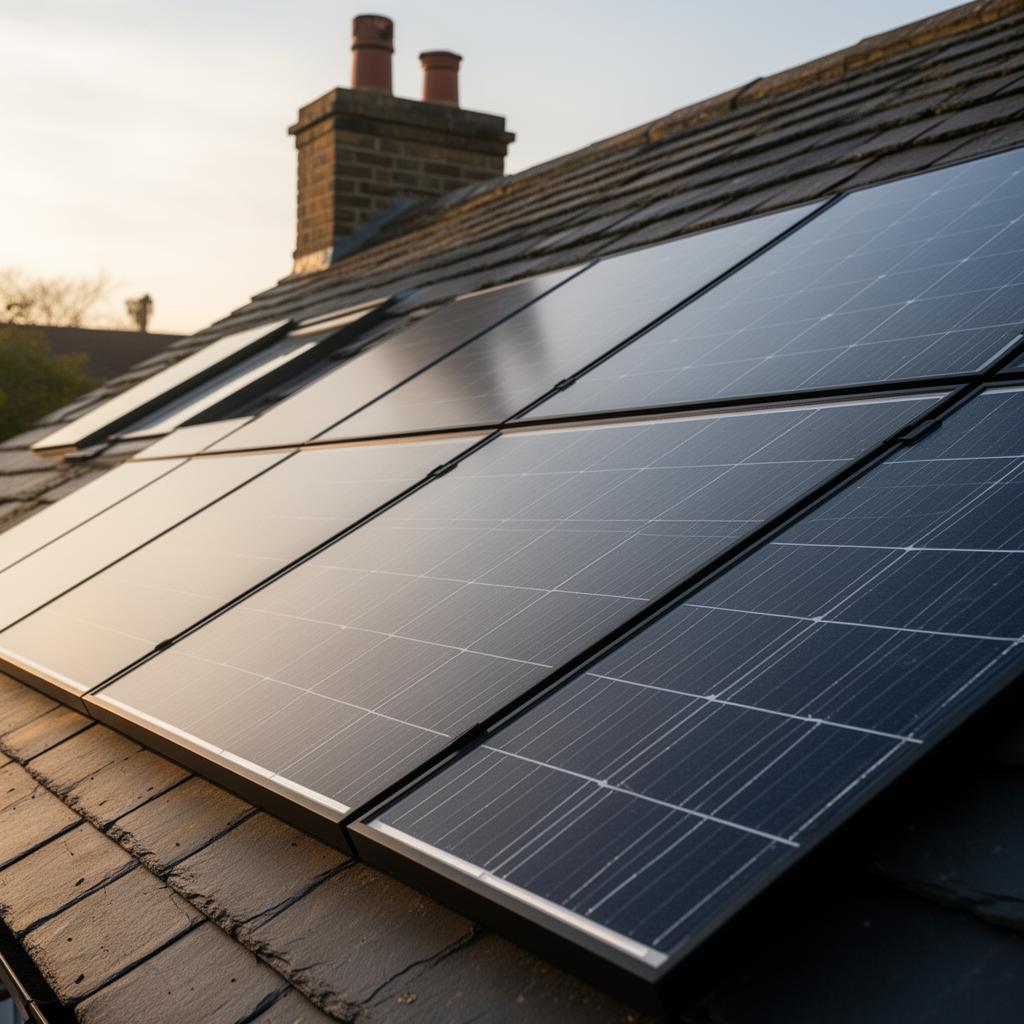
Lancashire homeowners installing solar panels in 2025 benefit from 0% VAT, saving an estimated £1,100 to £1,500 on a typical system. Combined with export tariff payments for surplus electricity and potential local grants, the total cost of going solar is lower than it’s been in years. Here’s what you can claim and how the numbers work out.
What Solar Panel Grants Can Lancashire Residents Claim?
- 0% VAT on solar panel installations — all domestic solar systems are VAT-free, saving approximately £1,000 to £1,500 on a typical installation
- ECO4 scheme — free solar panels for qualifying low-income households, installed as part of a wider energy efficiency package
- Smart Export Guarantee (SEG) — earn 4p to 15p per kWh for surplus electricity exported to the grid (ongoing annual income)
- Local authority solar schemes — some Lancashire councils offer bulk-buy solar programmes with discounted installation rates
- Green Deal Finance — repay installation costs through your electricity bill with no upfront payment (available through selected lenders)
The 0% VAT rate is the single biggest incentive for Lancashire homeowners, automatically reducing the cost of a 4kW system from around £6,600 to £5,500. Combined with SEG income of £100 to £250 per year and electricity bill savings of £550 to £800 per year, most systems pay for themselves within 6 to 9 years.
0% VAT on Solar Panels: How Much Do You Save?
Since April 2022, domestic solar panel installations in the UK have been zero-rated for VAT. Previously, you’d pay 5% VAT on the full cost of your system. On a typical 4kW installation costing £5,500 to £7,500 before tax, that 0% rate saves you between £275 and £375 compared to the old 5% rate.
But the real comparison most people think about is against the standard 20% VAT rate that applies to most purchases. Against that benchmark, 0% VAT saves you:
| System Size | Typical Cost (ex-VAT) | At 20% VAT | At 0% VAT | Your Saving |
|---|---|---|---|---|
| 3kW (8 panels) | £4,500 – £5,500 | £5,400 – £6,600 | £4,500 – £5,500 | £900 – £1,100 |
| 4kW (10 panels) | £5,500 – £7,000 | £6,600 – £8,400 | £5,500 – £7,000 | £1,100 – £1,400 |
| 5kW (13 panels) | £6,500 – £8,000 | £7,800 – £9,600 | £6,500 – £8,000 | £1,300 – £1,600 |
| 6kW (15 panels) | £7,500 – £9,500 | £9,000 – £11,400 | £7,500 – £9,500 | £1,500 – £1,900 |
The 0% VAT also applies to solar battery storage when installed at the same time as your panels. A battery system adds £2,000 to £4,000 to the cost, so that’s an additional VAT saving of £400 to £800 if you bundle them together. The 0% rate is confirmed to run until at least March 2027.
export tariff: Getting Paid for Surplus Solar Electricity
The export tariff pays you for any electricity your solar panels generate that you don’t use and export back to the grid. Every licensed energy supplier with more than 150,000 customers must offer an export tariff tariff, though rates vary.
In 2025, export tariff rates range from around 5p to 15p per kWh, depending on the supplier and tariff type. Some suppliers offer fixed rates, while others offer variable or time-of-use tariffs that pay more during peak demand hours.
For a 4kW solar system in Lancashire, you’ll typically export around 1,800 to 2,200 kWh per year (roughly half of what you generate). At an average export tariff rate of 10p per kWh, that’s £180 to £220 per year in export payments.
To qualify for the export tariff, your solar panels must be installed by a qualified installer and your system must be registered. Your installer should handle the certification registration, and then you sign up to an export tariff tariff with your chosen supplier. You’ll also need a smart meter, which your energy supplier will install for free if you don’t already have one.
Compare quotes from qualified installers in your area. It takes 30 seconds.
Are There Any Solar Panel Grants Available in Lancashire?
There’s no direct government grant for solar panels equivalent to the £7,500 heat pump grant. However, there are several funding routes that Lancashire residents can explore:
government energy efficiency schemes (government energy efficiency scheme): While government energy efficiency schemes primarily funds insulation and heating improvements, solar panels can be included as part of a broader home energy upgrade package for eligible low-income households. The scheme runs until March 2026. Eligibility is based on benefits received and your home’s EPC rating.
Local Authority Flex (LA Flex): Lancashire councils can refer households to government energy efficiency schemes funding even if they don’t receive qualifying benefits, if they’re identified as living in fuel poverty or on a low income. Contact your local council (Blackburn with Darwen, Burnley, Lancaster, Preston, etc.) to ask about LA Flex referrals for solar installations.
Home Upgrade Grant (HUG2): This scheme targets off-gas-grid homes with an EPC of D or below. It funds energy efficiency measures including solar panels. Some rural Lancashire properties, particularly in the Ribble Valley, Forest of Bowland and Pendle areas, may qualify if they’re not connected to the gas network.
Social housing programmes: If you’re a housing association tenant in Lancashire, your landlord may be running their own solar installation programme. Several Lancashire housing associations have committed to improving their housing stock’s energy performance and are fitting solar panels at no cost to tenants.
How Much Solar Energy Can You Generate in Lancashire?
Lancashire gets fewer sunshine hours than the south of England, but probably more than you’d think. The county averages around 1,300 to 1,400 hours of sunshine per year. For context, London gets about 1,500 and the UK average is around 1,400. Lancashire isn’t far off at all.
A 4kW solar system in the Lancashire area will typically generate 3,400 to 3,800 kWh per year. That’s enough to cover 80% to 100% of an average household’s annual electricity consumption (a typical home uses around 3,500 to 4,000 kWh).
Of course, generation peaks in summer and dips in winter. From April to September, your panels will produce the bulk of their annual output. In December and January, daily generation drops to around 20% to 30% of peak summer levels. This is where a battery becomes valuable, storing daytime generation for evening use and reducing your grid dependency year-round.
South-facing roofs generate the most electricity, but east or west-facing panels still produce around 80% to 85% of the maximum output. Even a roof that doesn’t face perfectly south is usually well worth installing panels on.
Full Cost Breakdown: Solar Panels in Lancashire Over 10 Years
Here’s how the finances stack up for a typical 4kW solar installation on a three-bed semi in Lancashire, with and without battery storage:
| Item | Solar Only (4kW) | Solar + Battery (4kW + 5kWh) |
|---|---|---|
| System cost (0% VAT) | £6,000 | £9,000 |
| Annual electricity bill saving | £450 – £550 | £650 – £800 |
| Annual export tariff income | £180 – £220 | £100 – £140 |
| Total annual benefit | £630 – £770 | £750 – £940 |
| 10-year cumulative benefit | £6,300 – £7,700 | £7,500 – £9,400 |
| 10-year net position | +£300 to +£1,700 | -£1,500 to +£400 |
| Payback period | 8 – 10 years | 10 – 12 years |
A few things to note about these numbers. The export tariff income is lower with a battery because you’re using more of your generated electricity yourself rather than exporting it. But the bill savings are higher because you’re buying less from the grid. The overall financial case is strong either way.
Solar panels are warranted for 25 years and typically last 30 or more. After the payback period, everything is essentially free electricity. Over 25 years, a 4kW system in Lancashire could save you £15,000 to £19,000 in today’s money, and potentially more if electricity prices continue to rise.
Finding an certification-Certified Solar Installer in Lancashire
Using a qualified installer is essential if you want to claim export tariff payments, and it’s also a reliable quality marker. relevant certification means the installer has been independently assessed for technical competence, and the installation is covered by a consumer protection scheme.
Lancashire has a good number of local qualified solar installers covering all districts. When comparing quotes, check for:
A detailed site survey before any firm quote. The installer should assess your roof orientation, pitch, shading from trees or nearby buildings, and the condition of your roof tiles or slates.
Specified panel and inverter brands. You should know exactly what equipment is being quoted. Look for panels from established manufacturers with 25-year performance warranties.
A generation estimate based on your property, not a generic figure. Good installers use software that models your specific roof angle, orientation and location to predict annual generation.
We’d recommend getting at least three quotes from local installers to compare prices and specifications. The difference between the highest and lowest quote for the same system can be £1,000 to £2,000, so shopping around is well worth the effort.
Frequently Asked Questions
Do I need planning permission for solar panels in Lancashire?
For most homes, no. Solar panels on a domestic roof are permitted development, meaning you don’t need planning permission. The main exceptions are if your home is a listed building, in a conservation area, or if the panels would protrude more than 200mm from the roof surface. Some areas of Lancaster, Clitheroe and the Forest of Bowland have special designations, so check with your local planning authority if you’re unsure.
How long does a solar panel installation take?
A standard residential installation (4kW, 10 panels) typically takes one to two days. The panels are mounted on the roof on day one, and the inverter, wiring and meter connections are completed on day two. Adding a battery system may add half a day. There’s minimal disruption inside the home.
Will the 0% VAT on solar panels continue beyond 2027?
The 0% VAT rate on energy-saving materials is currently legislated until March 2027. The government has indicated that it intends to keep the relief in place as part of its net zero commitments, but there’s no formal confirmation beyond that date. If you’re planning a solar installation, it makes sense to take advantage of the 0% rate while it’s confirmed.
Can I install solar panels on a north-facing roof?
Technically yes, but it’s rarely worthwhile. North-facing panels in Lancashire would produce only about 55% to 60% of what south-facing panels generate, making the payback period very long. If your main roof faces north, check whether you have an east or west-facing section of roof that could work instead. Even a flat-roof extension or outbuilding could be an option with tilted mounting frames. Your installer will advise on the best approach for your specific property.
Related Product Guides
Solar Panels — UK Costs, Grants & Installers (2026)
See what these numbers mean for your home
Free instant estimate — costs, savings, payback and grants for your region.

Related Articles
Heat Pump Grant Rises to £9,000 for Oil and LPG Homes From 21 July 2026
The standard Boiler Upgrade Scheme grant stays at £7,500. From 21 July 2026 to 31 March 2027, homes currently heated by oil or LPG get an increased £9,000 grant. Corrected…
10 June 2026
The Warm Homes Plan 2026: What Every UK Homeowner Needs to Know
The UK government’s Warm Homes Plan is the biggest energy efficiency programme in British history. Launched in January 2026 with up to £15 billion in funding, it aims to upgrade…
5 June 2026
ECO4 Scheme 2026: Who Qualifies, What’s Covered and How to Apply
The ECO4 scheme runs until December 2026, offering fully funded insulation and heating upgrades for eligible UK households. Find out if you qualify through benefits or the ECO4 Flex route,…
11 May 2026