The £7,500 Heat Pump Grant: A Complete Guide for Greater Manchester Homeowners
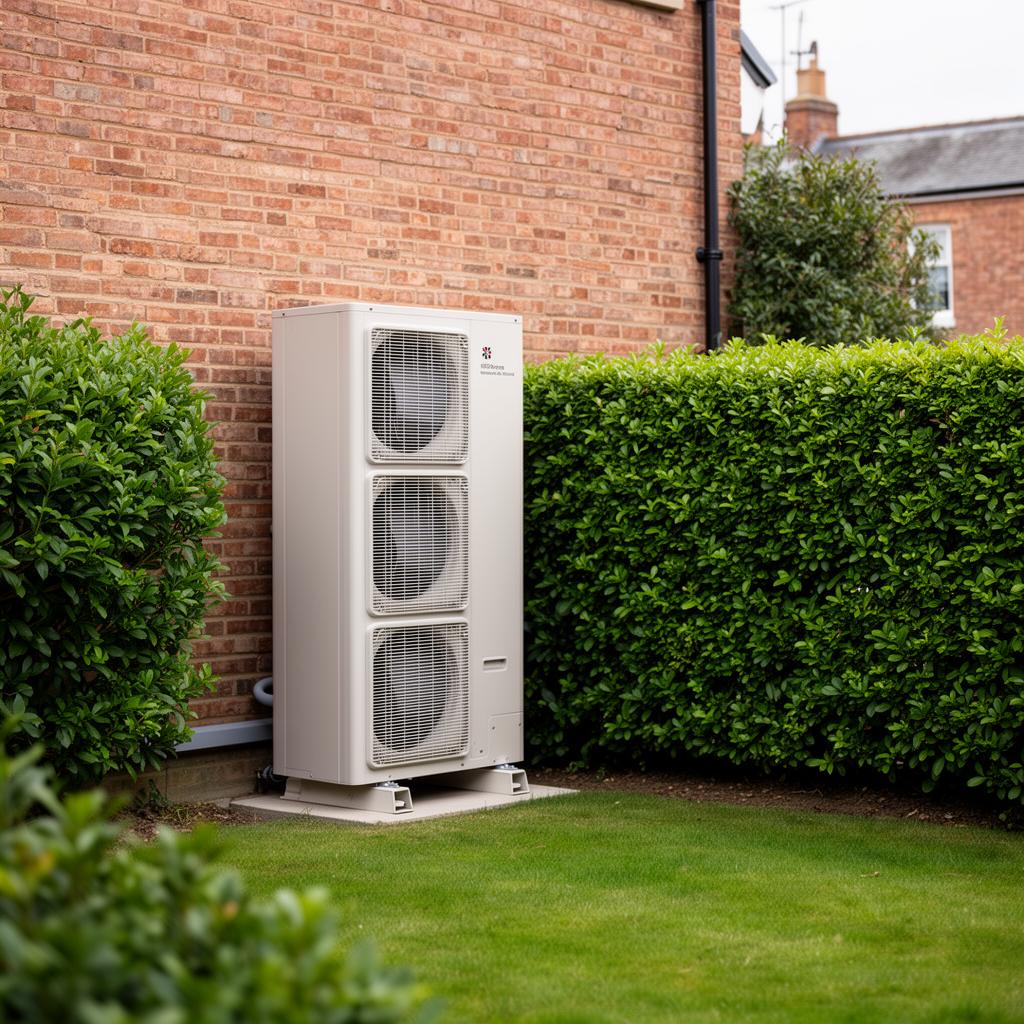
Greater Manchester homeowners can now get up to £7,500 off the cost of a heat pump through the government’s government heat pump grant. That brings the typical out-of-pocket cost down to around £4,000 to £6,000 for an air source heat pump, and it’s available right now with no repayment required.
How to Get the £7,500 Heat Pump Grant
- Confirm eligibility — you must own your property in England or Wales and currently use a fossil fuel heating system such as gas, oil or LPG
- Get a valid EPC — your property needs an Energy Performance Certificate with no outstanding loft or cavity wall insulation recommendations, or those measures must be completed first
- Request quotes from MCS-certified installers — only installers registered with the Microgeneration Certification Scheme can apply for the grant
- Your installer applies to Ofgem — they submit the application through the Boiler Upgrade Scheme portal on your behalf
- Receive your voucher — Ofgem issues a voucher valid for 120 days, confirming the £7,500 grant
- Complete the installation — once fitted, Ofgem pays the grant directly to your installer, reducing your final bill
The Boiler Upgrade Scheme grant of £7,500 applies to both air source and ground source heat pumps. For a typical Greater Manchester semi-detached home, the total installation cost ranges from £10,000 to £15,000, meaning you would pay between £2,500 and £7,500 after the grant. Running costs for a well-insulated property are comparable to or lower than a gas boiler, particularly if you use an electricity tariff with off-peak rates.
What Is the government heat pump grant and How Much Can You Get?
The government heat pump grant is a government-backed grant that covers a large chunk of the cost of replacing your gas or oil boiler with a heat pump. It launched in April 2022 and has been extended to run until at least March 2028.
Here’s what you can claim:
| Heat Pump Type | Grant Amount | Typical Total Cost | Your Cost After Grant |
|---|---|---|---|
| Air Source Heat Pump (ASHP) | £7,500 | £10,000 – £14,000 | £4,000 – £6,500 |
| Ground Source Heat Pump (GSHP) | £7,500 | £15,000 – £25,000 | £7,500 – £17,500 |
The grant is paid directly to your installer, so you never have to find the full amount upfront. You simply pay the balance after the £7,500 has been deducted. There’s also 0% VAT on heat pump installations, which knocks off another few hundred pounds compared to the old 5% rate.
Am I Eligible for the £7,500 Heat Pump Grant in Greater Manchester?
Most homeowners in the Greater Manchester area will qualify, but there are a few conditions to check first. The scheme is open to homes in England and Wales, so whether you’re in Didsbury, Stockport, Salford or Bolton, you’re covered geographically.
To be eligible, your property must:
Have a valid EPC (Energy Performance Certificate). Your home needs an EPC with no outstanding recommendations for loft or cavity wall insulation. If your EPC is out of date or you don’t have one, you’ll need to arrange a new assessment. These typically cost £60 to £120 in the Manchester area.
Not be a new build. The property must already have a heating system installed. New builds don’t qualify because they should already meet modern energy efficiency standards.
Use a qualified installer. This is non-negotiable. Your installer must hold certification (installer certification scheme) accreditation. They handle the grant application on your behalf, and the government processes the voucher before work begins.
There’s no means testing involved. Your income doesn’t matter. Whether you own a two-bed terrace in Rochdale or a detached home in Altrincham, the grant amount stays the same at £7,500.
Compare quotes from qualified installers in your area. It takes 30 seconds.
ASHP vs GSHP: Which Heat Pump Suits Greater Manchester Homes?
For the vast majority of Manchester homes, an air source heat pump (ASHP) is the practical choice. Here’s why.
Air source heat pumps sit outside your home, roughly the size of a large suitcase. They absorb heat from the outside air – even when it’s cold – and use it to warm your radiators and hot water. Manchester’s average winter temperatures hover around 3 to 5 degrees Celsius, which is well within an ASHP’s efficient operating range. Modern units work effectively down to minus 15 degrees.
Ground source heat pumps are more efficient overall, but they need significant garden space for buried pipework. In areas like Levenshulme, Fallowfield and central Salford, most properties simply don’t have the outdoor space. A GSHP also costs considerably more to install, so even with up to £7,500 in grants, you’re looking at £7,500 to £17,500 out of pocket.
For a typical three-bed semi in Stockport or Bury, an ASHP installation usually costs £10,000 to £13,000 before the grant. After the £7,500 deduction, that’s £2,500 to £5,500 from your pocket.
Manchester’s Victorian and Edwardian Housing Stock: Special Considerations
Greater Manchester has one of the largest concentrations of Victorian and Edwardian terraced housing in the country. Streets across Chorlton, Whalley Range, Heaton Moor and Prestwich are lined with these solid-brick properties, and they present a few specific things to think about when fitting a heat pump.
First, insulation. Older Manchester homes often have solid walls rather than cavity walls, which means they lose heat faster. Before your heat pump installation, you may need to improve your insulation to make sure the system runs efficiently. This might mean internal wall insulation, loft insulation top-ups, or draught-proofing sash windows. Some of this work may be covered by separate grants like government energy efficiency schemes.
Second, radiator sizing. Heat pumps run at lower flow temperatures than gas boilers (around 35 to 45 degrees compared to 60 to 80 degrees). In many Victorian homes, this means you’ll need larger radiators in some rooms to deliver the same warmth. A good qualified installer will carry out room-by-room heat loss calculations before quoting.
Third, space for the outdoor unit. Terraced houses with small yards can still accommodate an ASHP. The unit needs around 30cm clearance on all sides for airflow. Most Manchester terraces have enough space in a back yard or side passage.
Finding certification-Certified Heat Pump Installers in Greater Manchester
You must use a qualified installer to qualify for up to £7,500 in grants. Fortunately, Greater Manchester has a strong network of qualified installers covering all ten boroughs.
When comparing installers, look for:
relevant certification number – you can verify this on installer directories. Any legitimate installer will share their certificate number without hesitation.
Experience with your property type. An installer who has fitted heat pumps in Victorian terraces across Didsbury or Eccles will understand the quirks of Manchester housing far better than a company from outside the region.
A full home survey before quoting. Be cautious of any installer who offers a firm price without visiting your property. A proper survey includes heat loss calculations, radiator assessments and checking your electrical supply.
At least three quotes. Prices vary significantly between installers. Getting three quotes from local qualified companies helps you find a fair price and spot any outliers.
Step-by-Step: How to Apply for the Heat Pump Grant
The application process is straightforward, and your installer handles most of it. Here’s what happens:
Step 1: Get an up-to-date EPC. If yours is expired or missing, book an energy assessment. Make sure any recommended loft or cavity wall insulation is addressed first.
Step 2: Get quotes from qualified installers. We’d recommend at least three. They’ll survey your home, calculate heat loss, and provide a detailed quote showing the cost before and after the grant.
Step 3: Choose your installer and confirm. Once you’ve picked an installer, they apply to the energy regulator for a government grant scheme voucher on your behalf. This usually takes a few days to process.
Step 4: the energy regulator issues the voucher. You’ll receive confirmation that the £7,500 voucher has been approved. The voucher is valid for three months, giving you and your installer time to schedule the work.
Step 5: Installation day. A typical ASHP installation takes two to three days. The installer fits the outdoor unit, connects it to your existing heating system (with any necessary radiator upgrades), and commissions the system.
Step 6: Payment. You pay the installer the remaining balance (the total cost minus £7,500). the government pays the grant portion directly to the installer.
What Will a Heat Pump Cost to Run in Manchester?
Running costs depend on your home’s size, insulation levels and how you use heating. But here are some realistic figures for a well-insulated three-bed semi in the Manchester area.
A typical gas boiler costs around £800 to £1,100 per year to heat a home of this size. An efficient ASHP with a Coefficient of Performance (COP) of 3.0 to 3.5 would cost roughly £500 to £800 per year in electricity. That’s a saving of £200 to £400 annually on heating bills.
The COP is worth understanding. A COP of 3.0 means that for every 1 kWh of electricity the heat pump uses, it produces 3 kWh of heat. So even though electricity costs more per unit than gas, the heat pump’s efficiency more than compensates.
Your payback period on the out-of-pocket cost (after the grant) will typically be 10 to 15 years through energy savings alone. But factor in rising gas prices, the environmental benefit and the fact that heat pumps last 20 to 25 years, and the financial case is strong.
Frequently Asked Questions
Can I get up to £7,500 in grants if I live in a flat in Manchester?
Yes, flats can qualify for the government heat pump grant, but you’ll need permission from the freeholder or management company for the outdoor unit. Flats above the fourth floor can be more challenging due to planning and practical constraints. Ground floor and lower-rise flats in areas like Ancoats or Castlefield are generally more straightforward.
Do I need planning permission for a heat pump in Greater Manchester?
Most domestic ASHP installations fall under permitted development rights, meaning you won’t need planning permission. However, if you live in a conservation area (parts of Didsbury, Worsley and Uppermill, for example) or a listed building, you should check with your local planning authority first. Your qualified installer can advise on this.
Will up to £7,500 in grants run out?
The government heat pump grant has a set budget, and the government has increased it over time to meet demand. As of 2025, the scheme is funded until March 2028. However, there’s no guarantee the grant amount will stay at £7,500 indefinitely. If you’re considering a heat pump, it’s worth getting quotes sooner rather than later to lock in the current amount.
Can I combine the heat pump grant with other funding?
You cannot combine the government grant with government energy efficiency schemes funding for the same heat pump. However, you can use government energy efficiency schemes to fund insulation improvements (which may be needed to meet government grant scheme eligibility) and then apply for the £7,500 heat pump grant separately. This is actually a smart approach for older Manchester homes that need insulation upgrades first.
Related Product Guides
Heat Pumps — UK Costs, Grants & Installers (2026)
See what these numbers mean for your home
Free instant estimate — costs, savings, payback and grants for your region.

Related Articles
Heat Pump Grant Rises to £9,000 for Oil and LPG Homes From 21 July 2026
The standard Boiler Upgrade Scheme grant stays at £7,500. From 21 July 2026 to 31 March 2027, homes currently heated by oil or LPG get an increased £9,000 grant. Corrected…
10 June 2026
The Warm Homes Plan 2026: What Every UK Homeowner Needs to Know
The UK government’s Warm Homes Plan is the biggest energy efficiency programme in British history. Launched in January 2026 with up to £15 billion in funding, it aims to upgrade…
5 June 2026
ECO4 Scheme 2026: Who Qualifies, What’s Covered and How to Apply
The ECO4 scheme runs until December 2026, offering fully funded insulation and heating upgrades for eligible UK households. Find out if you qualify through benefits or the ECO4 Flex route,…
11 May 2026